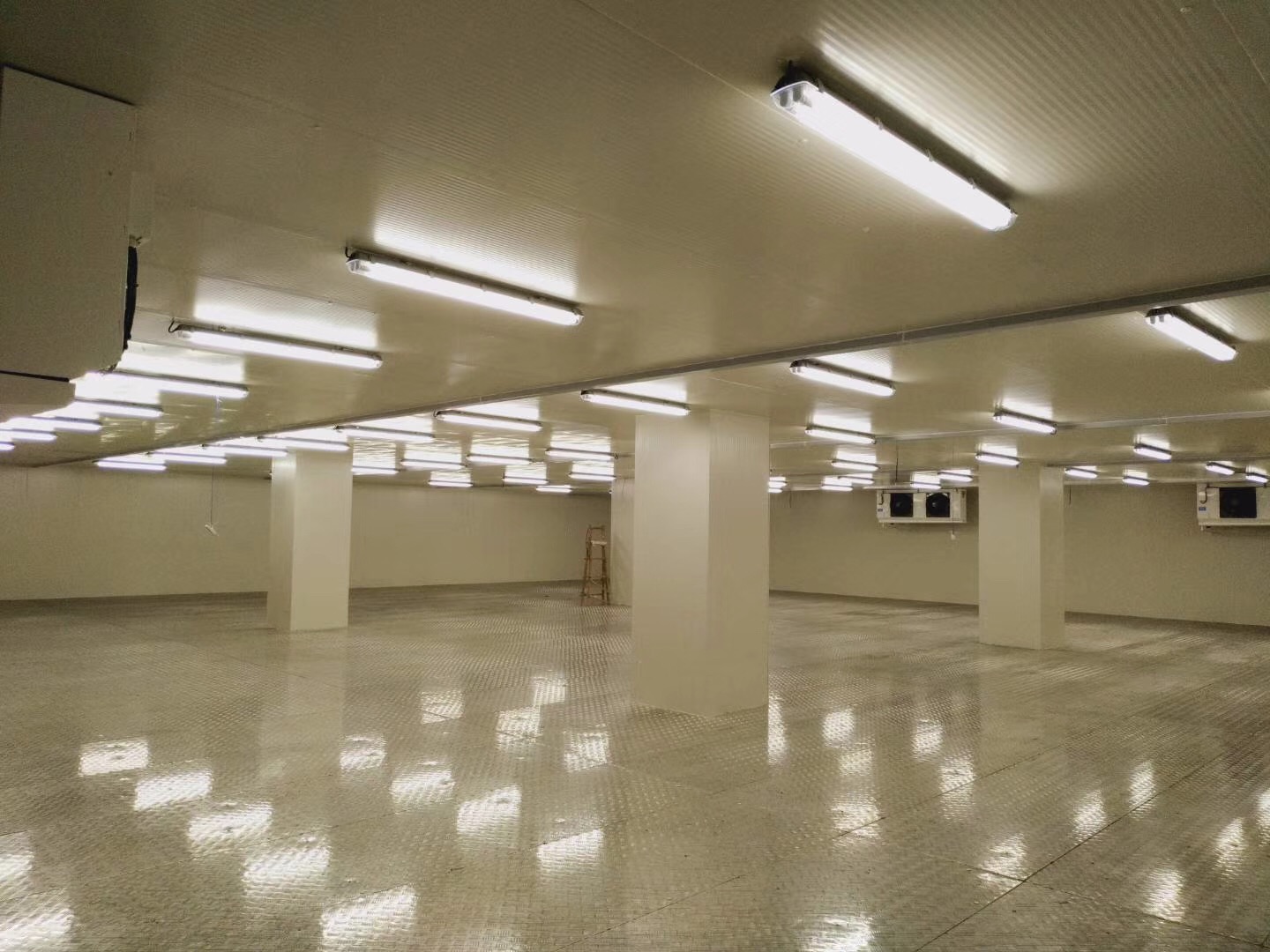
Optimized pharmaceutical cold storage solutions for Nanjing Hairun Pharmaceutical, ensuring precise temperature control (-18°C to 0°C) and GSP compliance. Case study highlights energy efficiency, scal
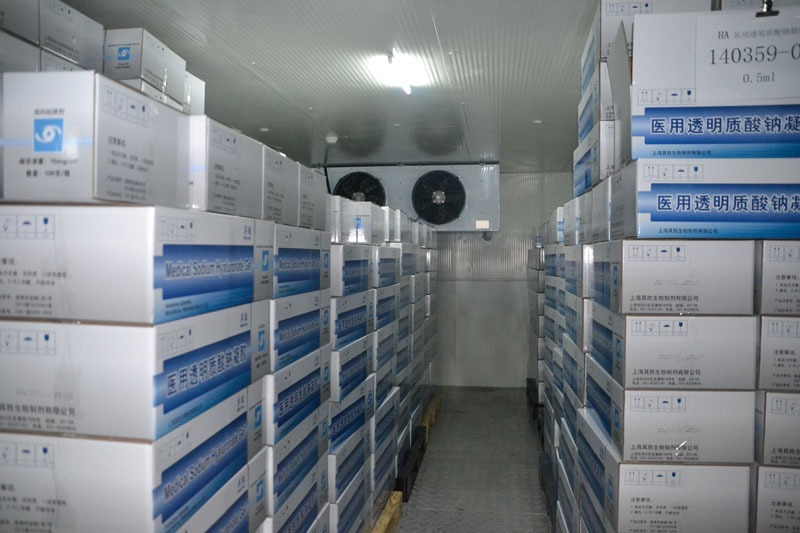
Nanjing Hairun Pharmaceutical Co., Ltd. built an 800 m³ pharmaceutical cold storage facility at its manufacturing campus in Jiangning District, Nanjing in March 2026. This cold room was constructed to support temperature-sensitive drug storage for the company’s newly launched R&D production lines. Designed in full accordance with the hardware standards of China’s Good Supply Practice (GSP) for pharmaceutical storage, the warehouse includes two separate temperature-controlled zones: a 0°C refrigeration area and a -18°C freezing area. The 0°C zone stores injectable API materials requiring low-temperature preservation, while the -18°C zone holds semi-finished biological agents. Instead of focusing on marketing gimmicks, this cold storage project prioritizes practical engineering solutions. It addresses three core challenges: accurate temperature regulation at two extreme temperature ranges, consistent long-term operation, and full compliance validation. Additionally, the system delivers optimized energy performance while staying within the factory’s total power load capacity limits.
Nanjing Hairun Pharmaceutical Co., Ltd. specializes in the R&D and manufacturing of generic drug APIs and innovative drug raw materials. Its original on-site storage facilities only consist of ambient-temperature warehouses and a small number of prefabricated freezers. As the enterprise expands its product portfolio to high-value biotech fermentation APIs, strict temperature standards are required for semi-finished products and imported auxiliary materials. Some materials must be stored at -18°C to stabilize their molecular structures, while others need refrigeration around 0°C to curb microbial growth without ice crystal formation.
The scattered standalone freezers come with three critical drawbacks. First, frequent temperature fluctuations occur; temperatures surge by over 5°C during defrost cycles, rendering sample batches unqualified. Second, there is no centralized monitoring or alarm system, creating risks of temperature deviation during unattended nights and holidays. Third, small refrigeration units deliver low energy efficiency. Simultaneous operation of multiple units triggers seasonal overload on the factory power distribution system.
Therefore, this project sets clear construction targets: a centralized prefabricated cold storage warehouse will be built adjacent to the factory power workshop. The integrated building envelope houses both the -18°C deep-freeze zone and 0°C refrigeration zone to deliver centralized cooling, independent temperature zoning and remote monitoring. The warehouse is designed to pass local drug regulatory authorities’ GSP compliance inspection in a single audit.
A temperature difference of 18°C exists between the two zones. The -18°C area maintains persistent ultra-low temperatures, resulting in continuous cold conduction and moisture penetration through the building envelope. The core design difficulty for enclosure structures and air distribution lies in sustaining stable long-term operation of both zones in an integrated space, while eliminating condensation at thermal bridges and preventing frost damage to materials in the refrigeration zone from excessive cold transfer.
Pharmaceuticals, especially biological products, are highly sensitive to short-term temperature deviations. Conventional cold storage electric defrost drives temperature spikes of 8–10°C, which fails to meet the project’s requirements. The biggest hurdle in refrigeration control logic design is limiting temperature fluctuation to ±1.5°C during defrosting, while fully preventing frost blockage on evaporators.
The transformer connected to the project site operates at nearly 70% load, leaving limited spare capacity during summer peak hours. The client stipulated that the full-load power consumption of the entire cold storage under design conditions must not exceed 85 kW; transformer capacity expansion would incur substantial unbudgeted costs. The refrigeration system must match cooling capacity demands within the power limit while reserving reasonable operational redundancy.
The cold storage site borders the clean corridor of existing production workshops. Dust, vibration and welding work during construction must be rigorously controlled to avoid disrupting environmental parameters and regular production in adjacent areas, imposing stringent on-site management standards for construction scheduling and process coordination.
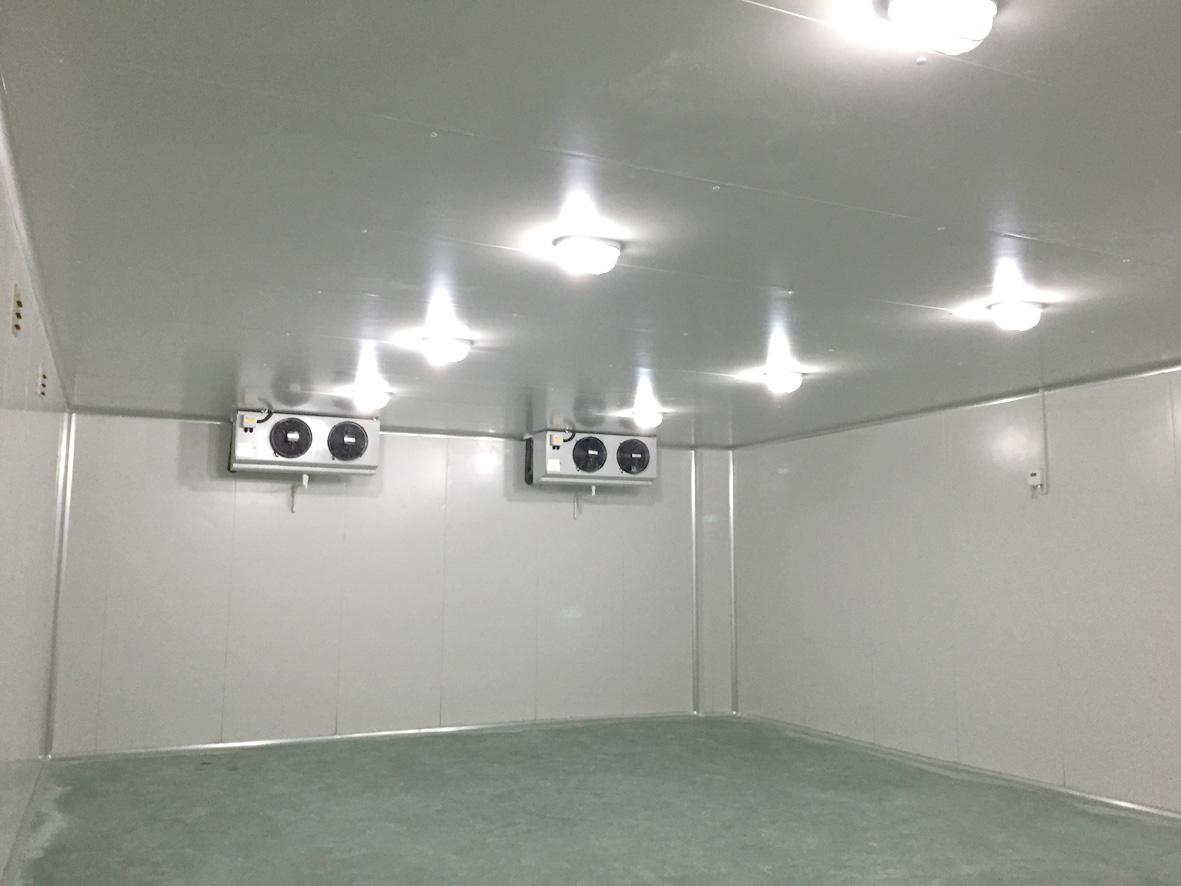
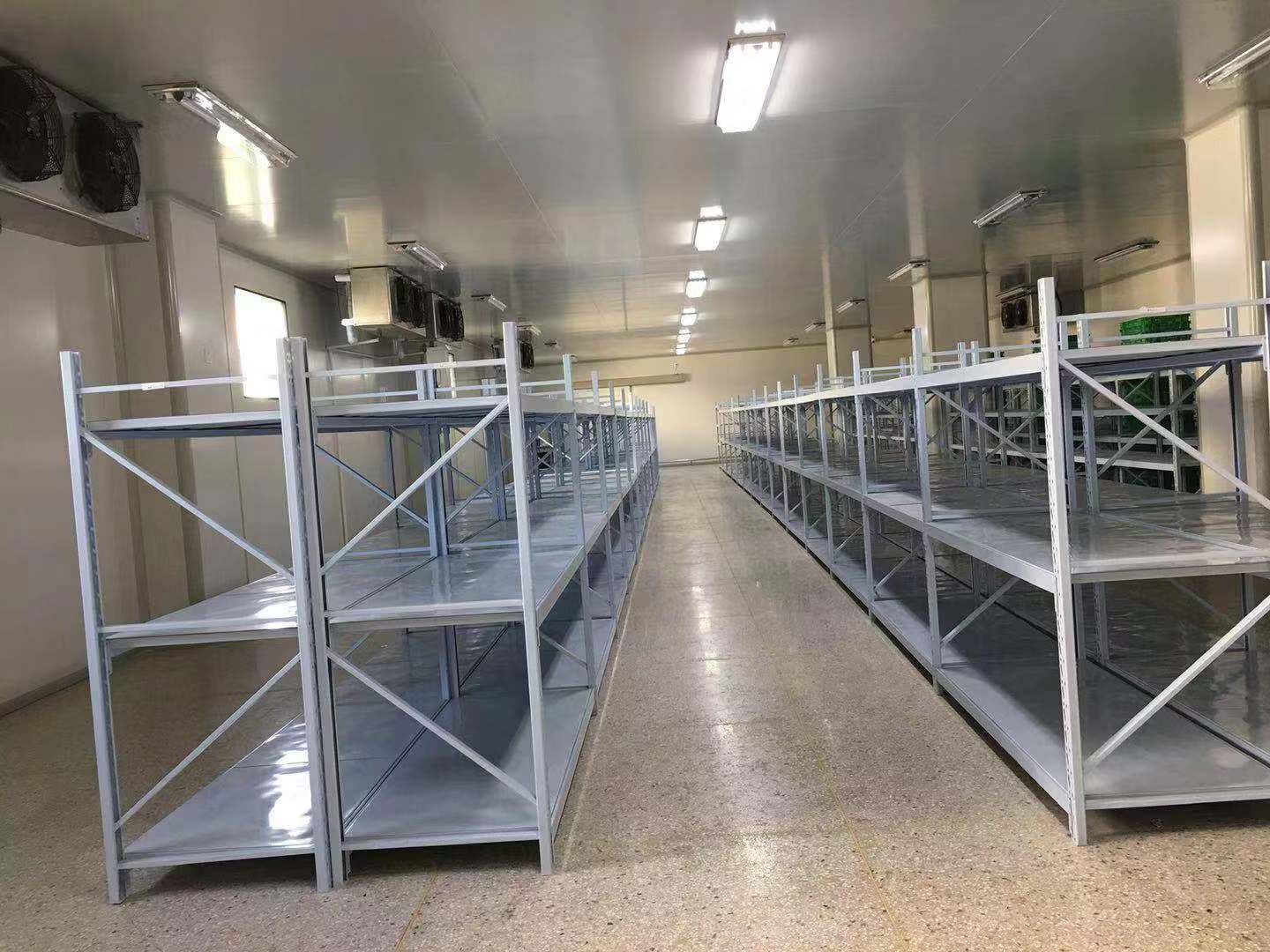
The cold storage’s external thermal insulation enclosure is constructed with 150mm-thick double-sided color steel polyurethane sandwich panels. Partition walls of the same material divide the total 800 m³ space into a 0°C refrigerated zone of approximately 320 m³ and a -18°C frozen zone of 480 m³. In terms of temperature logic design, the set temperature is 0±2°C for the refrigerated zone and -18±2°C for the frozen zone. Short-term temperature deviation is permitted during defrosting, but must not exceed the upper limit thresholds.
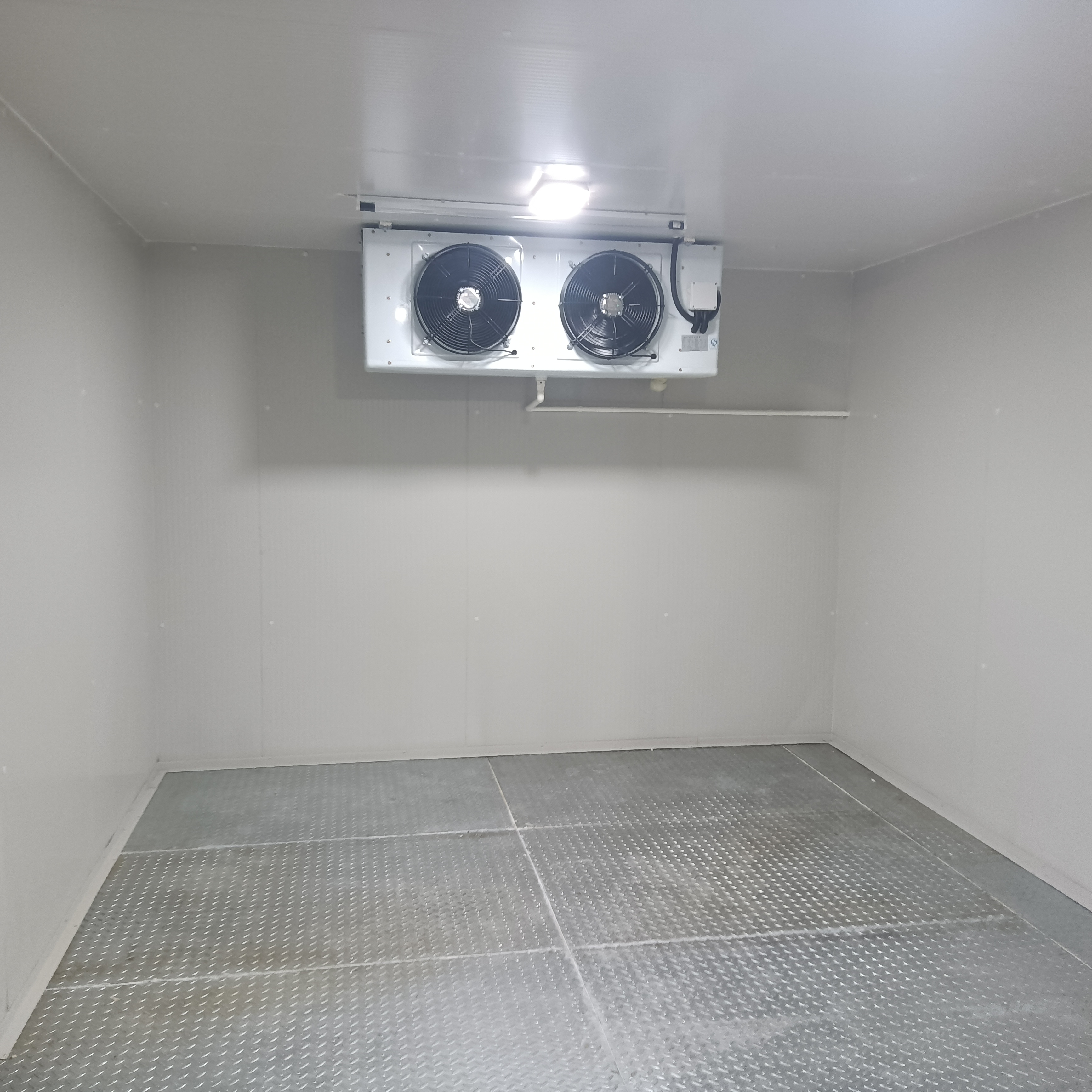
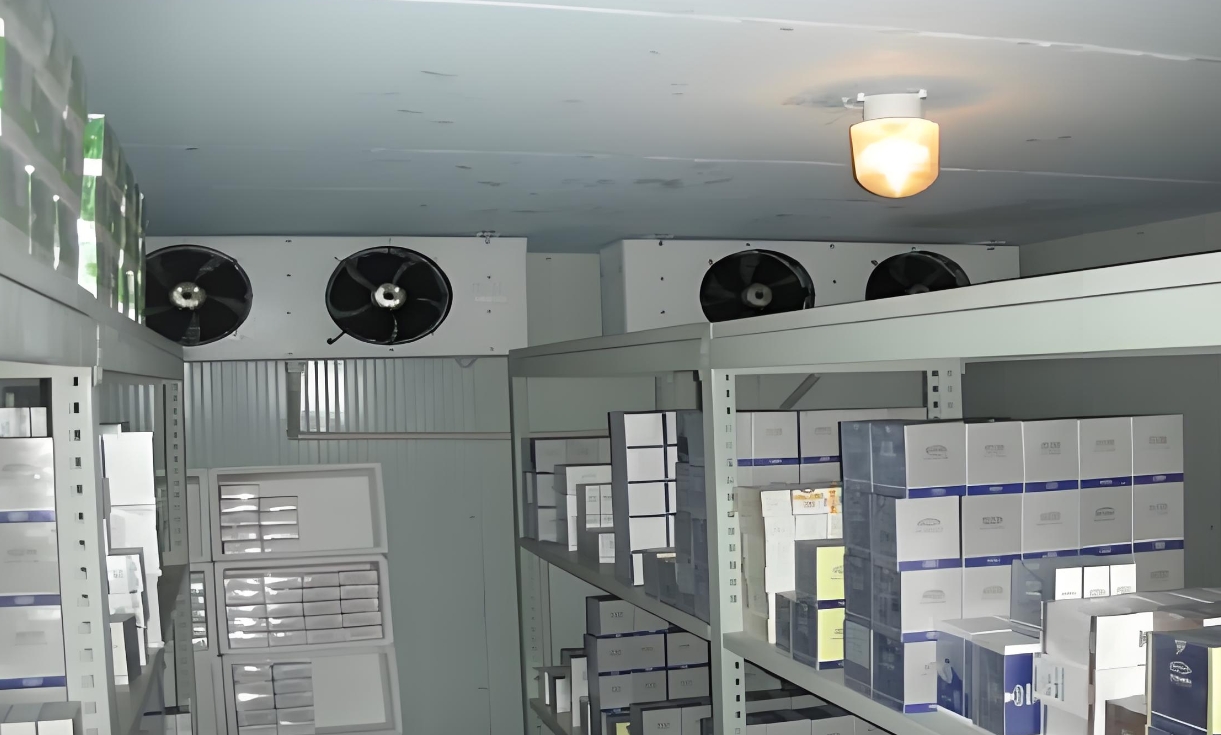
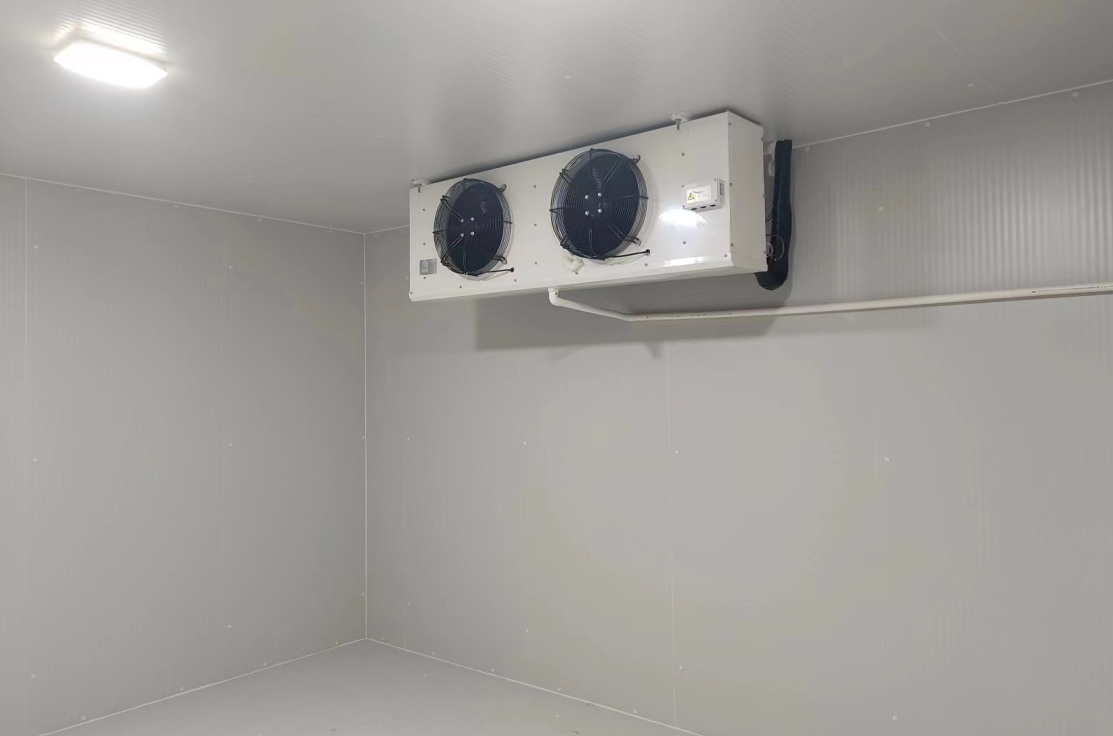
Two fully independent refrigeration circuits are adopted for the refrigeration system, each supporting separate startup/shutdown and mutual backup. The refrigerated zone circuit is equipped with semi-hermetic piston compressors matched with ceiling-mounted air-cooled condensers, adopting direct expansion refrigerant supply. Evaporators feature four fans with double-side air outlet to ensure sufficient air circulation inside the warehouse. The frozen zone uses compressors of the same type with larger displacement. Its evaporators have enlarged fin spacing to slow frost accumulation, with dual-circuit defrost heating pipes installed as required.
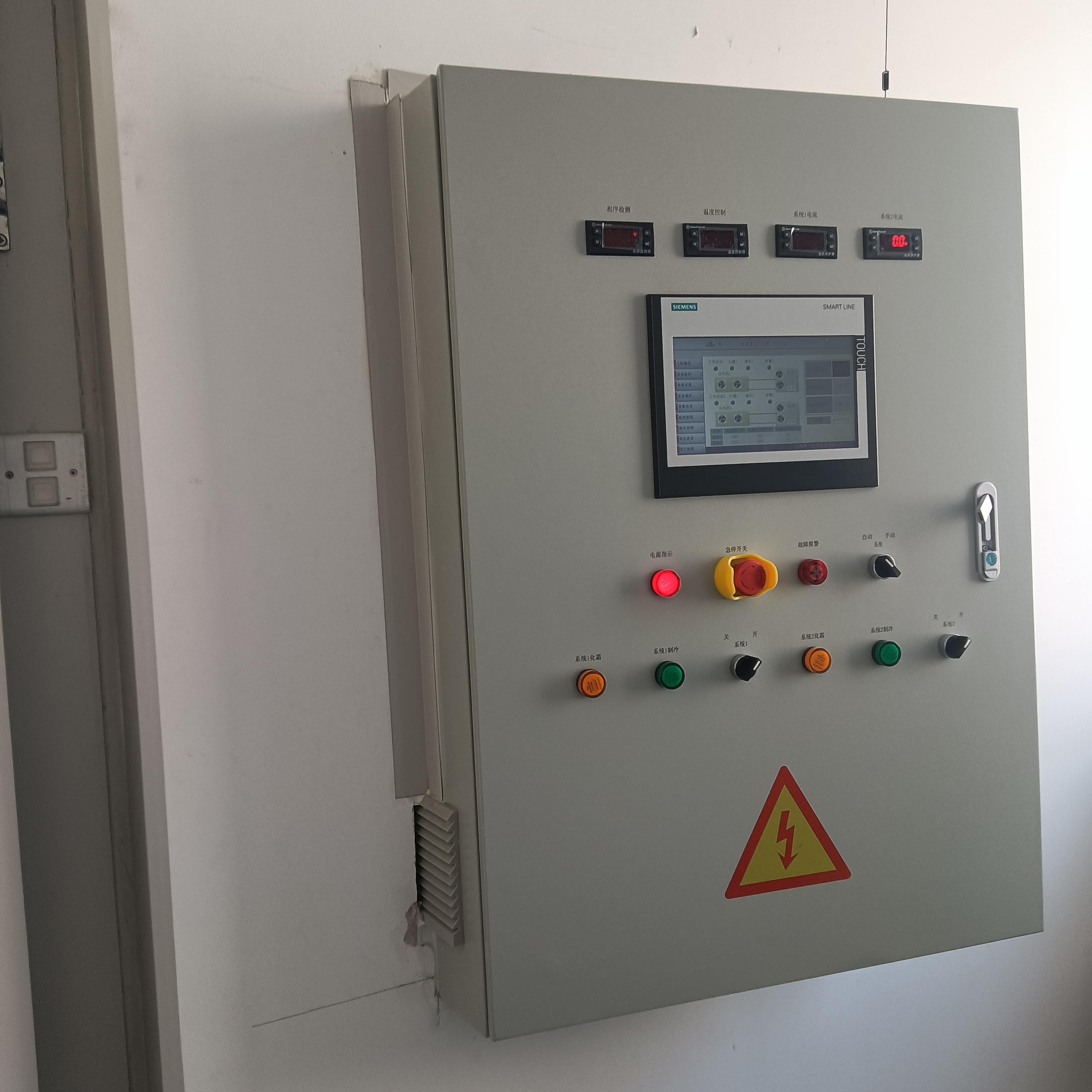
The control system combines a PLC programmable logic controller and HMI touch screen. PT100 platinum resistance temperature sensors are installed at key air flow points including front, rear and air return sections of each zone for real-time monitoring and data logging. SMS, audible and visual alarms will be activated once temperatures deviate beyond preset values.
| Equipment Name | Brand / Model | Function |
|---|---|---|
| Refrigerated Zone Condensing Unit | Bitzer 4H-25.2Y Semi-hermetic Piston Compressor + Air-cooled Condenser | Supply cooling capacity for the 0°C zone |
| Frozen Zone Condensing Unit | Bitzer 4N-20.2Y Semi-hermetic Piston Compressor + Air-cooled Condenser | Supply cooling capacity for the -18°C zone |
| Refrigerated Zone Evaporator | Küba SG Series Ceiling Cooler, 4.5mm fin spacing | Heat exchange and air circulation |
| Frozen Zone Evaporator | Küba SG Series Ceiling Cooler, 7mm fin spacing | Heat exchange, suitable for low-temperature frosting conditions |
| Control System | Siemens S7-1200 PLC + Weinview HMI | Logic control, temperature monitoring, alarm & data recording |
| Temperature Sensor | JUMO Class A PT100 | Multi-point warehouse temperature collection |
| Insulation Panel | 150mm PIR sandwich panel with 0.5mm double-sided color steel sheet | Warehouse thermal insulation & partitioning |
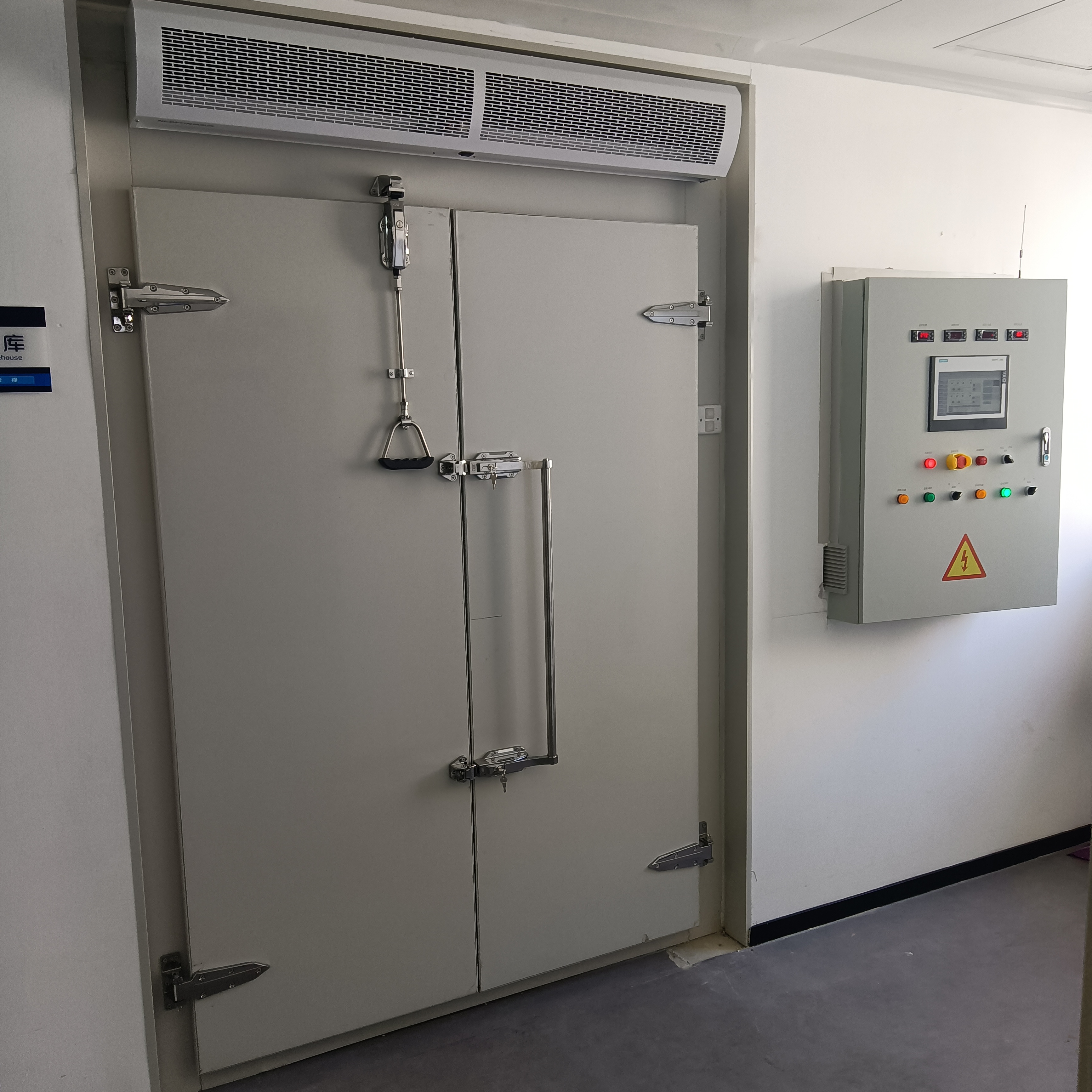
| Cold Storage Door | Buried heating anti-freeze manual sliding door | Minimize cold loss and prevent door seal freezing |
Installation of insulation panels commenced in mid-February 2026. The original factory floor was first cleaned and levelled, followed by laying moisture-proof vapor barriers and load-bearing floor steel plates. Warehouse panels are locked and connected via eccentric hooks, with two layers of neutral sealant applied to all horizontal and vertical joints. Hanging points are pre-positioned to avoid air ducts. As construction is adjacent to clean areas, all cutting work is completed in a temporarily partitioned processing area, with only assembly carried out on-site to effectively control dust dispersion.
During refrigeration equipment installation, two condensing units are mounted on a steel platform atop the warehouse. The platform is separated from the main structure by independent vibration-isolation supports to prevent operational vibration from transferring to the warehouse body. Evaporators undergo nitrogen pressure retention tests before hoisting, and are fed through pre-reserved openings in warehouse panels only after zero leakage is confirmed. Piping is laid strictly following the slope principle of “liquid pipes lower, gas pipes higher”. All return gas pipelines are fully insulated with anti-condensation rubber plastic foam.
An independent power distribution cabinet is configured for the electrical system. Soft starters are installed for each compressor to reduce inrush current impact, and joint commissioning is carried out in conjunction with the factory’s original transformer. All sensor cables are shielded twisted pairs, laid over 300mm away from high-voltage cable trays to eliminate signal interference.
Commissioning kicked off in early March 2026. An empty warehouse cooling test was first conducted using ambient water as simulated load. The refrigerated zone cooled down from ambient 25°C to 0°C within 42 minutes, while the frozen zone reached -18°C in 2 hours and 10 minutes. Defrost functions were verified via forced triggering; actual temperature rise measured 0.8°C for the refrigerated zone and 1.3°C for the frozen zone, both within acceptable limits.
A 48-hour full-load operation test was then performed loaded with actual drug samples and simulated materials. Recorded data shows temperatures ranging from -0.3°C to 1.8°C in the refrigerated zone and -17.9°C to -18.5°C in the frozen zone, with temperature fluctuation far superior to design targets. After operational testing, a third-party verification institute conducted GSP cold chain validation with 16 monitoring points and issued an official validation report, enabling one-pass acceptance.
Per the GSP validation report issued by a third-party institution, temperature deviations under both empty and full load conditions fall within preset thresholds. The temperature uniformity assessment of the refrigerated zone records a maximum temperature difference of 1.6°C and a minimum temperature of 0.2°C, with no overcooled or overheated monitoring points detected. The extreme temperatures of the frozen zone before and after defrosting comply with design standards, and no prolonged out-of-limit temperature status occurs after defrost cycles.
After routine operation launch, the refrigeration system maintains stable start-stop cycles. The operation duty cycle of each single compressor stands at roughly 65%–70%, retaining adequate safety margin. Historical curves from the monitoring system are continuous and smooth without data loss or abnormal temperature spikes. Three rounds of drill tests on the remote alarm function prove the delay between alarm trigger and staff SMS receipt never exceeds 40 seconds.
Thanks to the dual independent circuit design and fixed-frequency low-power nighttime operation mode, the daily energy consumption of this cold storage is cut by approximately 26% compared with the original scattered freezers, with no extra transformer capacity expansion required.In terms of management workflows, manual periodic meter reading is replaced with automatic system recording and traceability. Every batch of incoming and outgoing materials is matched with corresponding ambient temperature data, drastically cutting labor costs and compliance risks during regulatory audits. Warehouse operators report that the low-resistance sliding cold storage door and optimized floor gradient greatly boost the throughput efficiency of hand pallet trucks.
No matter your industry, no matter how complex your refrigeration needs, XNAIR Cold Storage can provide you with customized, energy-efficient solutions. Contact us now to start your successful project!
Contact XNAIR Cold Storage Now →Shanghai Haohai Biotech's 2024 pharmaceutical cold storage project, featuring German Bitzer refrigeration & Schneider control systems, meets GMP/ISO standards for high-precision medical storage....
View Details →Zhejiang Xianju Pharmaceutical partnered with XNAIR Cold Storage to install a GSP-compliant pharmaceutical cold storage system in Taizhou, featuring dual redundant refrigeration units, -18°C freez...
View Details →Shanghai University of Medicine & Health Sciences installed a 500㎡ prefabricated pharmaceutical cold storage (2℃~8℃) in 2019, featuring energy-efficient design and precision temperature control for me...
View Details →Shanghai Sentian Food partnered with XNAIR to construct 4 advanced cold storage units (-18℃ to 18℃) and retrofit 2 existing systems, ensuring compliant food & pharmaceutical storage. A 3-phase pro...
View Details →Shanghai Likangrui Pharmaceutical Cold Storage Project by XNAIR Refrigeration: 2-8°C medical-grade cold storage solution with 1,590m³ capacity, using Bilbox units & SICK air coolers. Completed in...
View Details →Shanghai Modern Pharma's 730m³ GSP-compliant cold storage solution ensureswith dual compressors, real-time, and 24/7 power backup. Trusted by....
View Details →Phone
+86 180 1742 6215Tel
Shanghai XiangNing Electromechanical Equipment Co., LTD XML