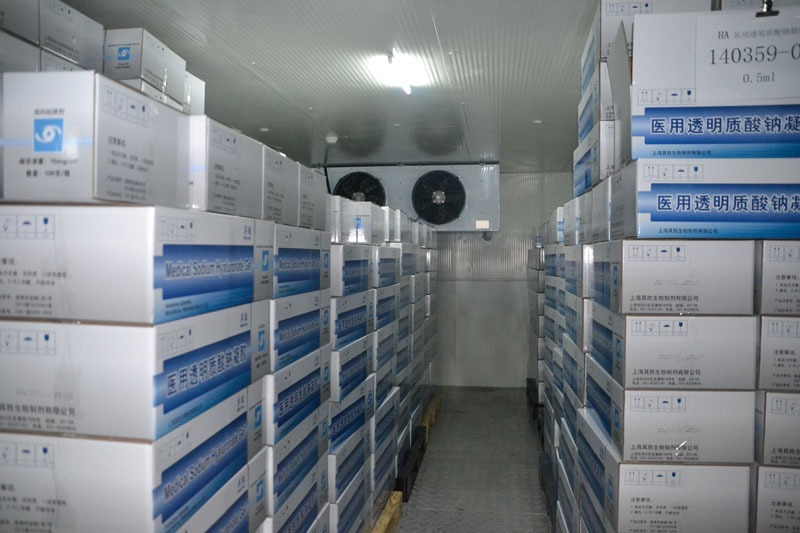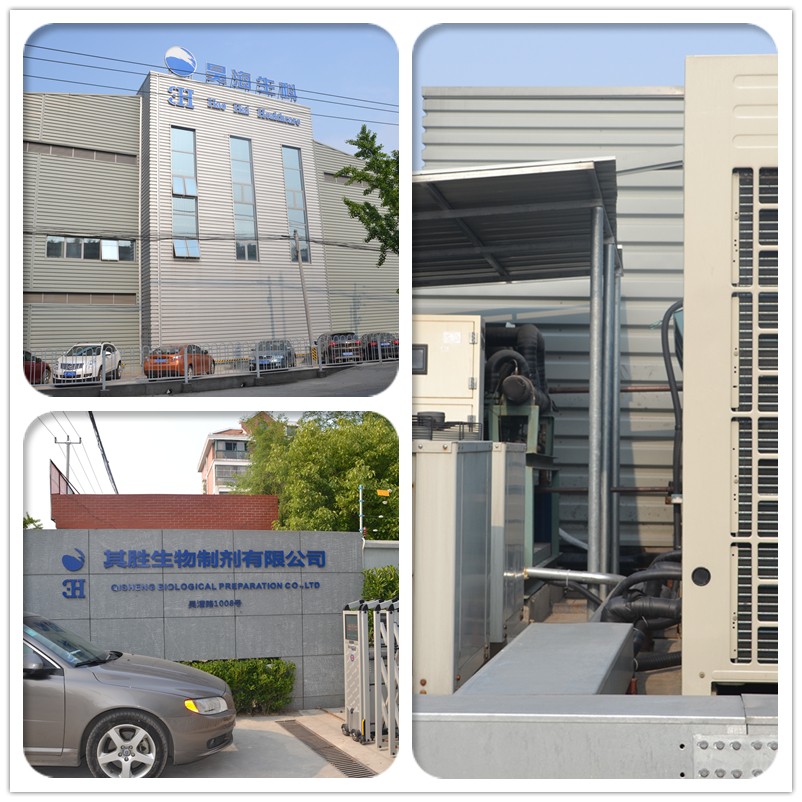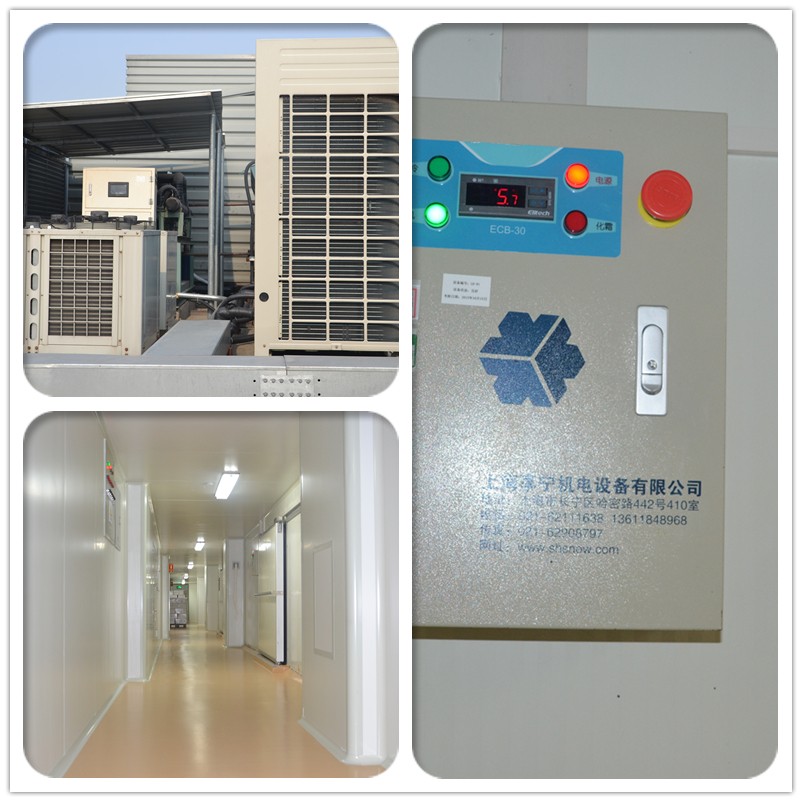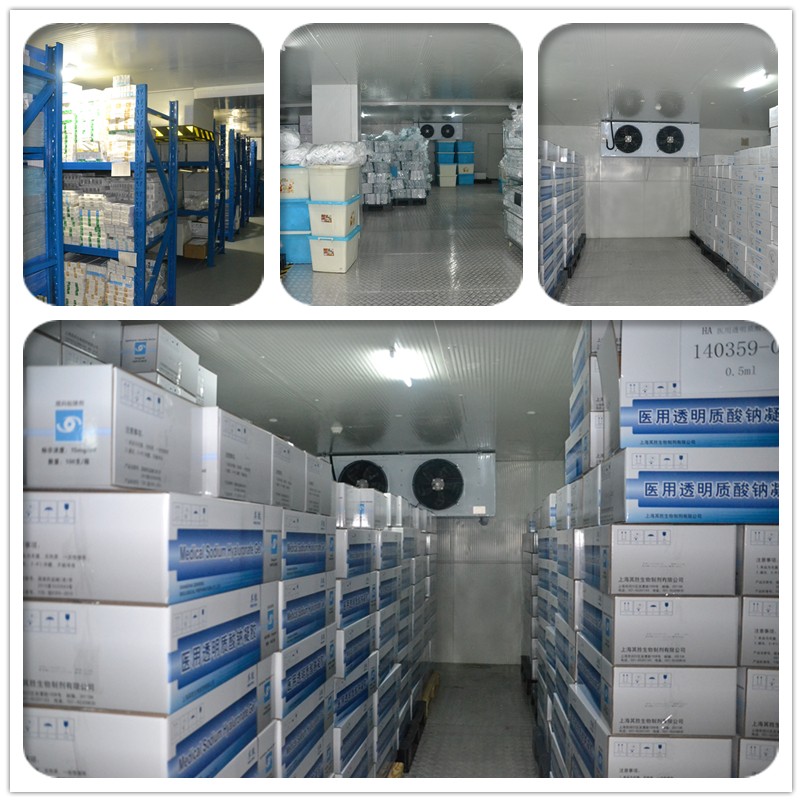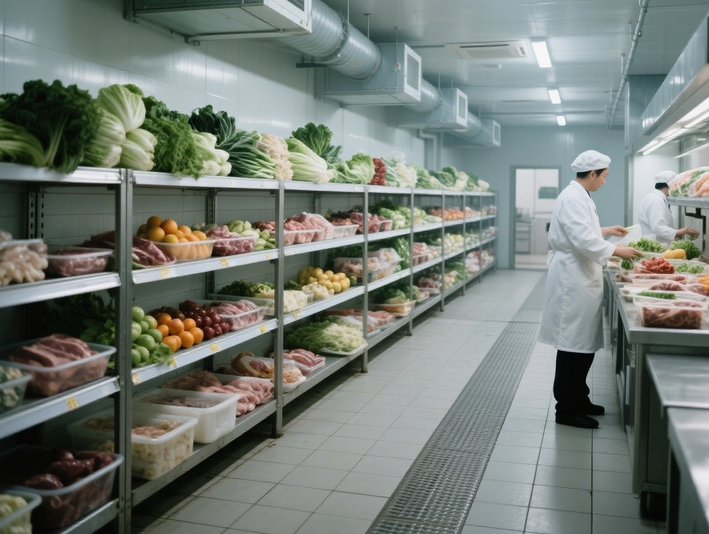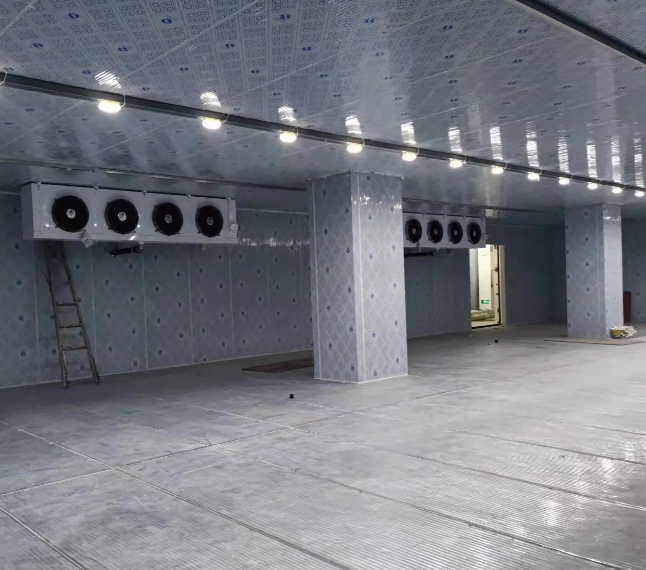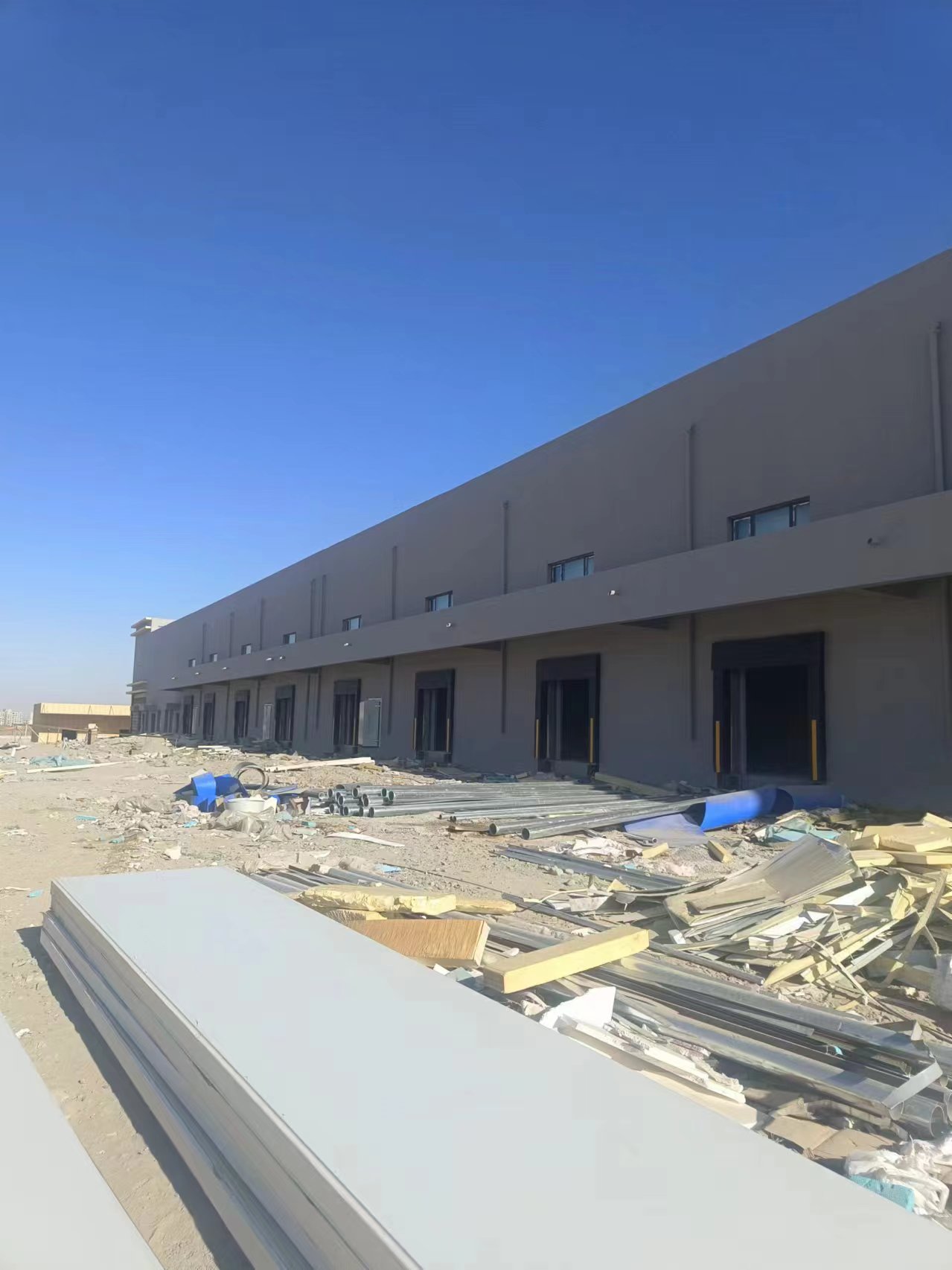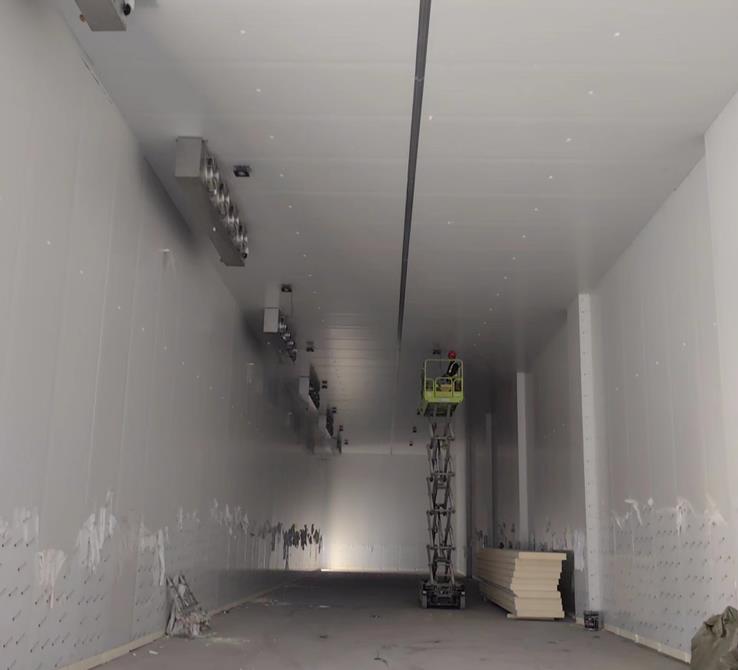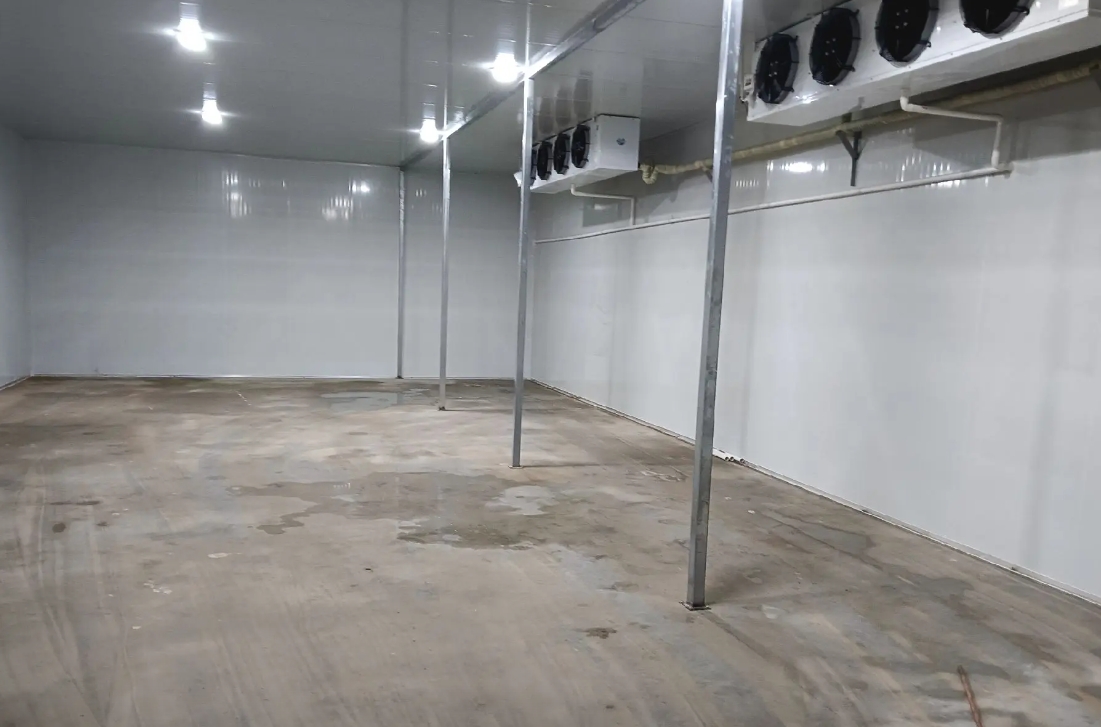
Shanghai Haohai Biotech's 2024 pharmaceutical cold storage project, featuring German Bitzer refrigeration & Schneider control systems, meets GMP/ISO standards for high-precision medical storage.
As a listed domestic biopharmaceutical enterprise, Shanghai Haohai Biological Technology Co., Ltd. (hereinafter referred to as "Haohai Biological") boasts a product portfolio covering multiple high-value biological product sectors including ophthalmology, orthopedics, medical aesthetics and surgery. In 2024, driven by capacity expansion and the need to upgrade its storage facilities in compliance with Good Manufacturing Practice (GMP) for pharmaceuticals, the enterprise launched a project to construct a 2,000-square-meter pharmaceutical cold warehouse at its Songjiang plant. This cold storage facility is dedicated to temperature-sensitive biological products, vaccine adjuvants and active pharmaceutical ingredient intermediates. Given the high value of stored goods, stringent standards are imposed on the uniformity of the internal thermal field and equipment redundancy. The project is required to simultaneously meet the temperature-controlled storage zone criteria specified in Good Supply Practice for Pharmaceutical Products (GSP) and the Revised 2010 Chinese GMP, as well as the cleanliness requirements for controlled environments set forth in ISO 14644-1.
Core requirements are as follows:
Under fully loaded and empty warehouse conditions, the temperature at any measuring point shall be constantly maintained within 2°C to 8°C with a temperature deviation no greater than ±0.5°C;
The system shall be equipped with fully automatic redundant switching function to ensure continuous operation upon single-point failure;
Refrigeration equipment and automatic control systems shall support 8,760 hours of uninterrupted operation throughout the year, and withstand the high humidity during Shanghai’s plum rain season and extreme high temperatures in summer;
All temperature and equipment operation data shall be automatically collected and stored, complying with the Electronic Records and Electronic Signatures (ERES) regulations;
The refrigeration system and thermal insulation materials shall conform to environmental protection and energy conservation policies.
Challenges Faced
Temperature Uniformity Control for Large-Space Storage
This single-story pharmaceutical cold storage covers an area of 2,000 square meters with a net height of 5.5 meters and a total volume of approximately 11,000 cubic meters. Improper air supply and return air distribution will easily lead to vertical temperature stratification and horizontal temperature uneven zones. Biological products are extremely temperature-sensitive; direct cold air blow or dead air circulation zones may cause temperature deviation of stored materials and result in scrapping of entire batches.
Deep Dehumidification and Anti-Condensation Under High-Humidity Conditions
The annual average relative humidity in Shanghai reaches 75%–80%, with prolonged high humidity during the plum rain season. Frequent frosting on evaporators inside the cold storage, temperature fluctuations triggered by defrosting cycles, and condensation on cold storage panels caused by the partial vapor pressure difference between indoor and outdoor environments are common persistent problems for pharmaceutical cold storages in high-humidity regions.
GMP-Compliant Data Reliability and Audit Trail
Pharmaceutical warehousing demands not only qualified temperature control but also authentic, complete and traceable full-process data. The control system shall be equipped with audit trails, hierarchical access authority management and record protection functions complying with 21 CFR Part 11 and GAMP5 to avoid data tampering or loss.
Trade-off Between Non-Shutdown Maintenance and Energy Conservation
Pharmaceutical production follows tight scheduling, which forbids long-time shutdown of the cold storage for equipment rotation and maintenance. Meanwhile, authorities have rolled out stricter policies regarding energy conservation of industrial buildings and the adoption of eco-friendly refrigerants. The system is required to deliver high-efficiency operation on the premise of full redundancy safety, achieving far lower energy consumption per unit area than conventional cold storages.
Cold Storage Envelope and Thermal Insulation System
The storage enclosure adopts an assembled structure of double-sided color steel polyurethane sandwich panels with a panel thickness of 150 mm. The core material is continuously foamed polyurethane (PU) featuring a density of ≥42 kg/m³, thermal conductivity ≤0.022 W/(m·K), and flame retardancy Class B1. Panel joints are fitted with eccentric locking hooks and two layers of low-temperature-resistant sealing strips. The floor is constructed with an XPS extruded polystyrene insulation layer over reinforced concrete, equipped with vapor barrier and waterproof layers to eliminate frost heave caused by underground moisture migration.
A constant-temperature vestibule (buffer room) is installed at the loading/unloading bay, equipped with two interlocking motorized sliding doors paired with flexible insulated high-speed doors, effectively mitigating temperature disturbances to the main storage zone during door-opening operations.
Refrigeration System Architecture – BITZER Parallel Compressor Units with Hot Gas Defrost
Refrigeration hosts are German BITZER semi-hermetic piston compressors configured as multi-head parallel condensing units with variable frequency capacity regulation. Detailed specifications are as follows:
| Equipment Unit | Technical Specifications |
|---|---|
| Compressor Model | BITZER ECOLINE series, semi-hermetic piston, 6-cylinder parallel platform |
| Refrigerant | R449A, low-GWP eco-friendly HFO blend refrigerant |
| Design Condensing Temperature | +45°C |
| Design Evaporating Temperature | -5°C |
| Total Refrigeration Capacity | Two sets of 200 kW units (1 operational, 1 standby); each set features N+1 redundant compressor heads |
| Condensing Type | Air-cooled condenser with EC variable-speed fans; noise level ≤65 dB(A) |
| Defrost Mode | Hot gas bypass defrost supplemented by electric heating to prevent excessive temperature rise inside the warehouse |
Pressure sensors continuously monitor suction pressure of the parallel units to automatically load/unload compressor heads and adjust inverter frequency, stabilizing evaporating pressure between -4.5°C and -5°C and minimizing temperature fluctuations at air cooler outlets. High-precision evaporating pressure regulation serves as the core prerequisite for limiting warehouse temperature deviation within ±0.5°C.
Temperature Control Terminals and Air Distribution System
Twelve high-static ceiling-mounted air coolers are deployed inside the warehouse, featuring stainless steel casings and hydrophilic aluminum fin coils with a 4.5 mm fin spacing to extend frosting intervals. Each air cooler is oversized with a 20% air volume margin, fitted with fabric air ducts (Sox ducting) at air outlets to deliver microporous top-supply side-return air distribution throughout the storage space. Laser-drilled micro-perforations cover the duct surface to maintain an outlet air velocity of 0.8–1.2 m/s, completely eliminating direct cold air impingement on cargo stacks and stagnant air dead zones. Airflow simulation verifies temperature differences of less than 0.4°C between the top and bottom of stored goods.
Schneider Electric Control System and GMP-Compliant Data Management
The control system centers on Schneider Electric Modicon M580 redundant CPUs paired with HMIP570 HMI terminals and the EcoStruxure™ Plant Expert digital platform. The hierarchical control framework is detailed below:
| System Tier | Equipment Configuration | Core Functions |
|---|---|---|
| Field Tier | Schneider Modicon TM3 distributed I/O modules; PT100 temperature sensors with ±0.1°C accuracy; differential pressure transmitters | Collect temperature/humidity of storage zones, supply/return air temperatures, and equipment operating status |
| Control Tier | Hot-Standby redundant M580 PLC with seamless dual rack switching | Compressor capacity regulation, air cooler startup/shutdown, defrost logic, interlock control, alarm management |
| Monitoring Tier | Local HMIP570 touchscreen + remote SCADA system | Real-time trend curves, historical data query, report generation, access authority administration |
| Data Management Tier | Schneider Data Center Expert historical database with SQL/OData compatibility | Support audit trails, electronic signatures and tamper-proof data storage complying with 21 CFR Part 11 |
The system archives timestamped online data for up to 548 days (expandable). All temperature limit violations, equipment start/stop events and user login activities generate immutable audit logs. Four tiers of access authority are established: Operator, Team Leader, Equipment Engineer and Qualified Person, fully satisfying GMP validation requirements for computerized systems.
System Redundancy and Fail-Safe Strategy
Refrigeration Units: One primary and one standby complete unit; each unit contains N+1 redundant compressor heads. Upon failure of a single compressor or an entire unit, the standby set takes over automatically within less than 30 seconds.
Power Supply: Dual municipal power feeders with a backup interface for diesel generators; the PLC control system is equipped with UPS providing a minimum 60-minute backup runtime.
Sensors: Dual PT100 sensors are installed at all critical monitoring zones. The system averages readings for control logic, triggers alarms for single-sensor faults, and automatically excludes invalid readings.
Environmental Sustainability and Energy-Saving Measures
The project prioritizes environmental protection and low-carbon operation. R449A eco-friendly refrigerant is adopted with an ozone depletion potential (ODP) of 0 and a GWP of only 1282, approximately 67% lower than R404A. EC fans on condensers adjust speed steplessly according to condensing pressure; free floating condensing is enabled in winter under low ambient temperatures to reduce compressor load, delivering an annual integrated energy efficiency ratio (EER) above 4.8. Hot gas defrost cuts power consumption for defrost cycles by roughly 35% compared to full electric heating defrost. Uniform air supply via fabric ducts eliminates extra reheating demand, resulting in an overall operating energy consumption reduction of over 25% versus conventional pharmaceutical cold storages.
Construction Implementation and Qualification Validation
Construction mobilization commenced in early March 2024, covering panel assembly, refrigeration pipeline welding and pressure testing, control system programming and commissioning, duct installation and overall system joint debugging. Empty and full-load temperature distribution mapping tests were completed in June 2024. A third-party validation body deployed 16 calibrated wireless temperature loggers for data acquisition over a continuous 72-hour period per GMP requirements. Test results show all monitoring points maintained steady temperatures between 3.2°C and 6.8°C with a maximum deviation of ±0.4°C and temperature uniformity of ±0.3°C, far exceeding the acceptance standard of 2°C to 8°C. Simulated fault scenarios including power outage, compressor breakdown and defrost interruption all triggered seamless redundant switching without exceeding temperature limits inside the warehouse.
| Achievement Dimension | Specific Metrics |
|---|---|
| Temperature Control Precision | Steady-state temperature fluctuation ≤ ±0.4°C; temperature rise during defrosting ≤ 0.6°C |
| Temperature Uniformity | Maximum horizontal temperature difference of 0.5°C and vertical temperature difference of 0.4°C under fully loaded conditions |
| System Availability | Zero unplanned shutdowns and zero temperature out-of-limit incidents since commissioning in June 2024 |
| GMP Data Compliance | The control system has passed CSV (Computerized System Validation) and complies with GAMP5 and 21 CFR Part 11 |
| Energy-Saving Performance | Daily power consumption per unit area: 0.32 kWh/m², achieving approximately 28% energy saving compared with conventional schemes |
| Environmental Benefits | Adopts low-GWP refrigerant R449A with annual refrigerant leakage rate less than 1% |
| Customer Audit Pass Rate | Passed internal GMP audit and supply chain cold chain audits of two multinational pharmaceutical enterprises at the first attempt |
No matter your industry, no matter how complex your refrigeration needs, XNAIR Cold Storage can provide you with customized, energy-efficient solutions. Contact us now to start your successful project!
Contact XNAIR Cold Storage Now →Hedong Canteen Cold Storage Project at East China Normal University: Customized catering cold storage solution with German Bitzer system, -18℃ and 2-8℃ dual-temperature zones, energy-efficient design...
View Details →Shanghai XNAIR builds climate-resilient seed cold storage for Wuwangnong Seed in Lishui, maintaining 0-10℃ stability at 43℃ ambient with 48hr backup power, ensuring genetic resource security....
View Details →XiangNing Cold Storage provided EPC solutions for Hetian Eheng's agricultural cold chain logistics center in Pishan County, including thermal insulation materials, installation, and intelligent contro...
View Details →Shanghai XNAIR delivers 5-10℃ adjustable cold storage for Xihekang's semiconductor silicone raw materials in Xuhui, using Embraco compressors and modular design to ensure material stability for el...
View Details →Shanghai Haohai Biotech's 2024 pharmaceutical cold storage project, featuring German Bitzer refrigeration & Schneider control systems, meets GMP/ISO standards for high-precision medical storage....
View Details →Shanghai XNAIR delivers fire-resistant 0-5℃ tobacco leaf cold storage for Jiangxi Tobacco Research, using German GEA refrigeration and B1-grade insulation to meet agricultural research & food safe...
View Details →Phone
+86 180 1742 6215Tel
Shanghai XiangNing Electromechanical Equipment Co., LTD XML