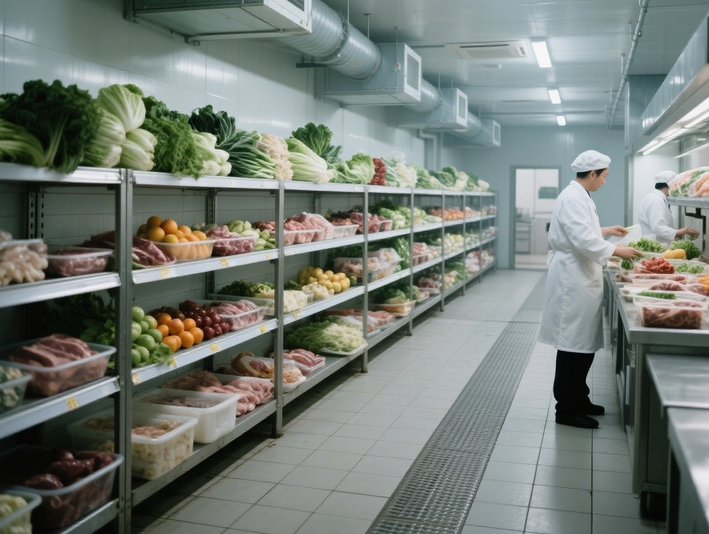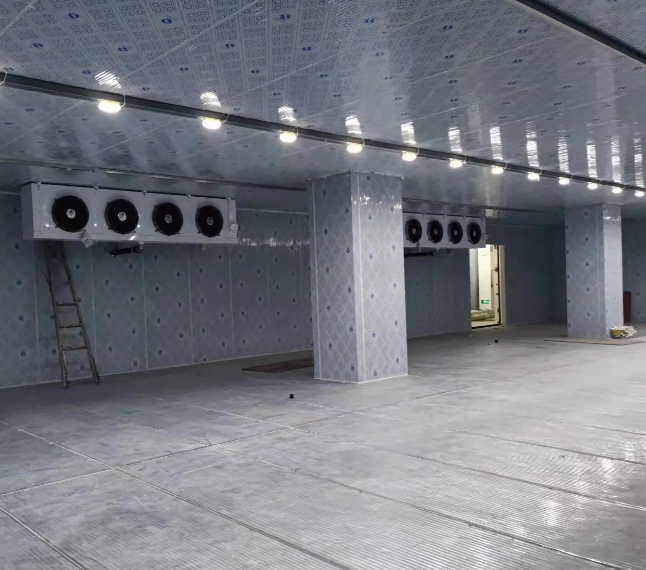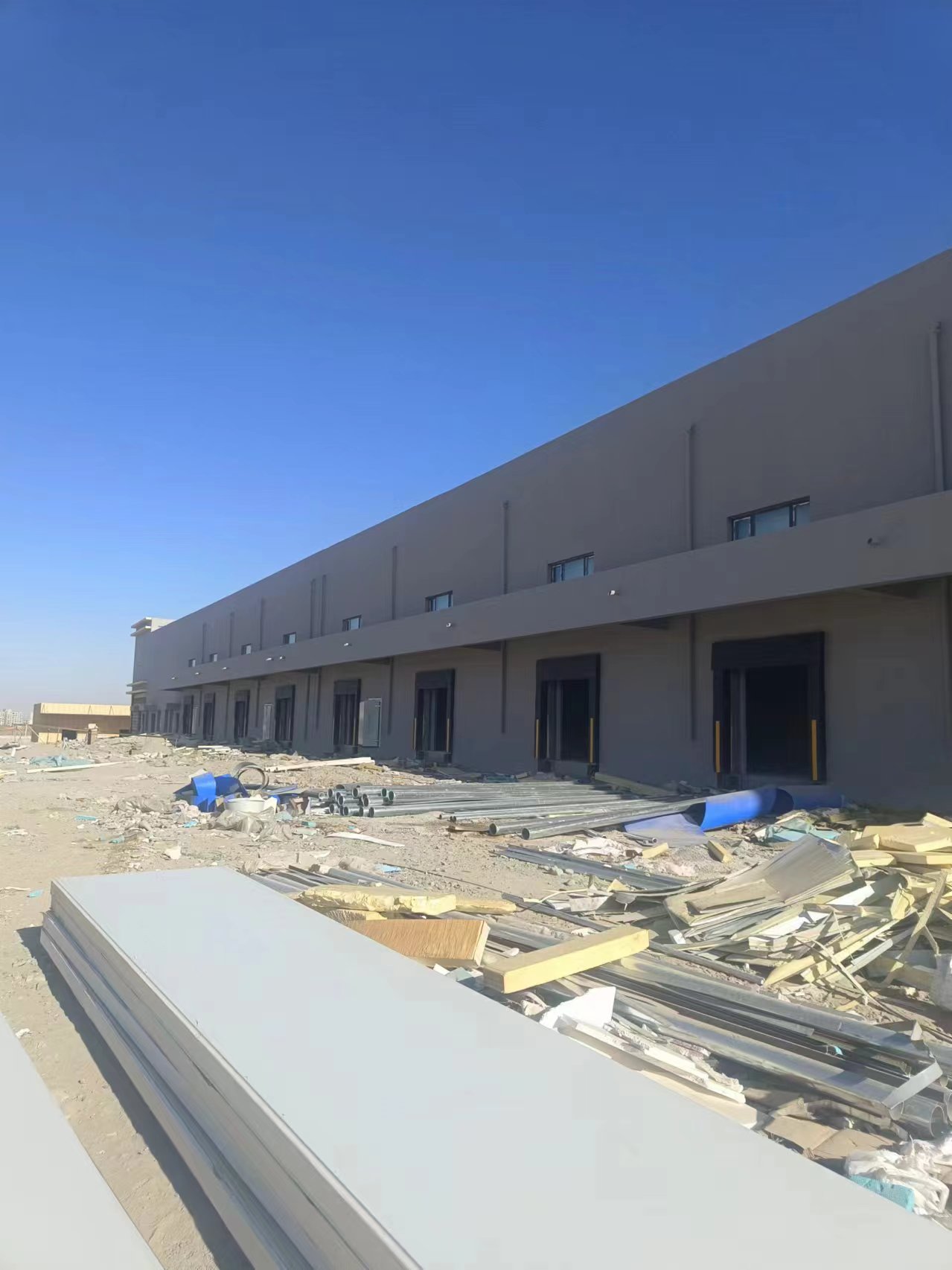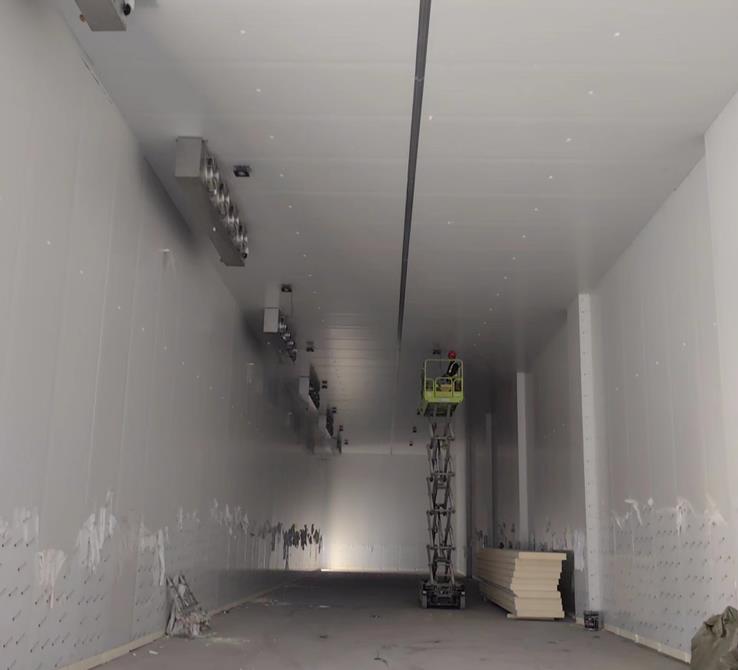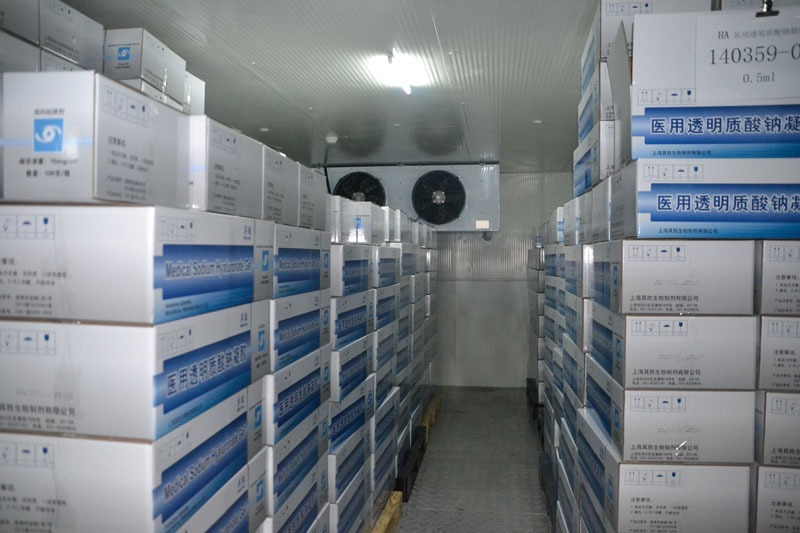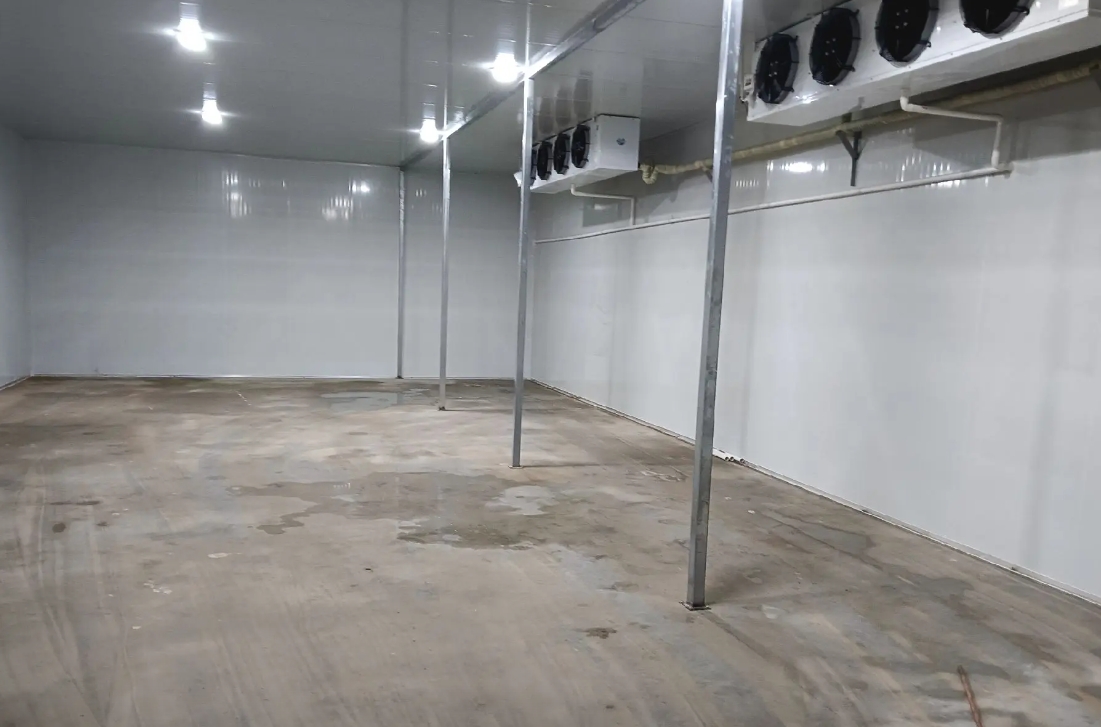
Shanghai University of Medicine & Health Sciences installed a 500㎡ prefabricated pharmaceutical cold storage (2℃~8℃) in 2019, featuring energy-efficient design and precision temperature control for me
The pre-cooling pharmaceutical cold storage project of Shanghai Medical College of Health Sciences is located on the Pudong New Area campus of Shanghai. Led by the school’s Logistics Support Department, it serves the experimental teaching of the Pharmacy Department and the turnover storage of commonly used medicines in the affiliated outpatient department. The total installation area of the project covers 500 square meters, adopting an assembled prefabricated cold storage structure with an adjustable design temperature range of 2°C to 8°C. It is mainly used to store various teaching medicines, reagents and some consumables that require refrigerated preservation. The cold storage completed installation, commissioning and official operation in January 2026. The core objective of the project is to build an independent pharmaceutical cold storage fully complying with the temperature control requirements of the Good Supply Practice for Pharmaceutical Products (GSP), replacing the scattered refrigerators previously placed in each laboratory, so as to realize centralized refrigeration management with unified standards and full traceability.
Project Background
Shanghai Medical College of Health Sciences is a municipal applied medical and pharmaceutical university in Shanghai, equipped with a pharmaceutical training center, clinical simulation laboratories, and an affiliated outpatient clinic serving faculty, students and surrounding communities. With expanding enrollment of pharmacy majors and in-depth reform of practical training courses, the original storage method for refrigerated teaching medicines has exposed prominent bottlenecks.
Previously, refrigerated medicine storage on campus fully relied on separate medical refrigerators distributed across four laboratory buildings, with a total refrigerated volume of less than 8 cubic meters. Each refrigerator operated and recorded data independently; temperature records were manually copied down daily. In cases of overnight power outages or temperature deviations caused by aging equipment, there was virtually no way to trace historical conditions. Especially during hot summers, frequent over-temperature alarms triggered on laboratory refrigerators, putting some high-value biological teaching products at risk of scrapping.
The newly built pharmaceutical pre-cooling warehouse stores teaching vaccines (for simulated injection practice), antibiotic reference standards, test kits, protein reagents, as well as commonly used insulin and eye drops for the outpatient clinic. The school required an adjustable refrigerated space within the 500-square-meter site to meet daily storage demands and provide buffer capacity during peak centralized procurement of teaching supplies in winter and summer vacations. In addition, the cold storage must connect to the school’s ongoing smart campus energy consumption and safety management platform, enabling remote temperature monitoring and historical data archiving for no less than 180 days.
Key Challenges
Challenge 1: Restrictions on floor load capacity and clear height of existing building
The cold storage is located on the first floor of the pharmaceutical training building, renovated from three ordinary storage rooms with a designed live floor load of only 3.5 kN/m². The combined weight of the prefabricated cold storage structure and fully loaded medicine racks requires strict control of area load without structural reinforcement. Meanwhile, the clear height under indoor beams is merely 3.3 meters. After reserving space for ceiling air ducts and suspended evaporators, the usable internal height of the warehouse must remain no less than 2.6 meters to accommodate double-row rack installation and normal staff operation.
Challenge 2: Temperature stability under frequent door openings
Unlike pharmaceutical manufacturing plants with fixed inbound and outbound schedules, this teaching cold storage experiences stock access operations by multiple rotating classes every day. Per teaching schedules, practical training sessions run from 8 a.m. to 4 p.m., during which the cold storage door opens an average of 4 to 6 times per hour for 15 seconds to 1 minute each time. Temperature fluctuations induced by frequent door openings must stay within acceptable limits: the temperature rise 1 meter from the door shall not exceed 5°C, and the warehouse temperature must recover to the set range within 8 minutes after door closure.
Challenge 3: Cooling capacity switching logic for backup refrigeration system
The school mandated a standalone backup refrigeration unit for the warehouse. The backup unit must activate automatically upon failure of any primary unit, with warehouse temperature remaining within the 2°C~8°C range throughout the switchover. The compact interior of the prefabricated cold storage creates a high risk of airflow interference when two sets of evaporators are installed simultaneously; improper airflow design would instead lead to uneven local temperature distribution.
Challenge 4: Alignment between GSP compliance verification and actual usage scenarios
As a teaching facility of a medical college, the warehouse does not engage in pharmaceutical sales. However, the school’s affiliated outpatient clinic holds a medical institution practice license, and the stored medicines are for medical use. The school audit department required temperature control verification of the cold storage to follow GSP standards. Standard GSP temperature distribution tests are conducted under fully loaded fixed rack conditions, which differ from the school’s actual operating conditions featuring seasonal inventory fluctuations and frequent door openings. The verification scheme needed to cover both scenarios simultaneously.
Design Scheme
The temperature control target is set at 4.5°C at the geometric center of the warehouse, with a supply air temperature difference of 3K and an evaporation temperature of -5°C. Inside the warehouse, perforated air supply ducts and an interlayer return air wall are adopted to form a top-supply and side-return airflow organization. The outlet wind speed is controlled at 1.2~1.5 m/s to avoid direct air blast onto medicine outer packages.
Five temperature measuring points are arranged: one at each of the four warehouse corners 1.5 m above the ground and one at the central position 1.5 m above the ground. An additional temperature probe is installed inside the vestibule to monitor thermal intrusion caused by door opening and closing.
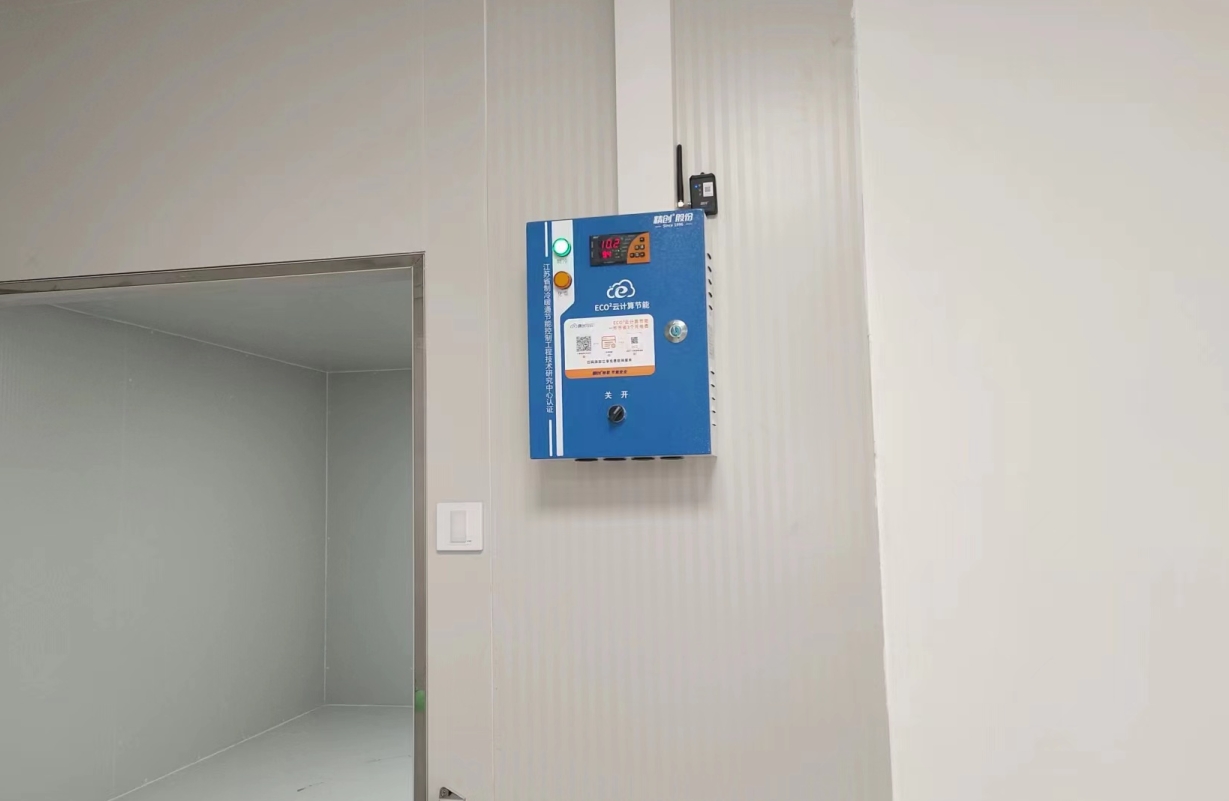
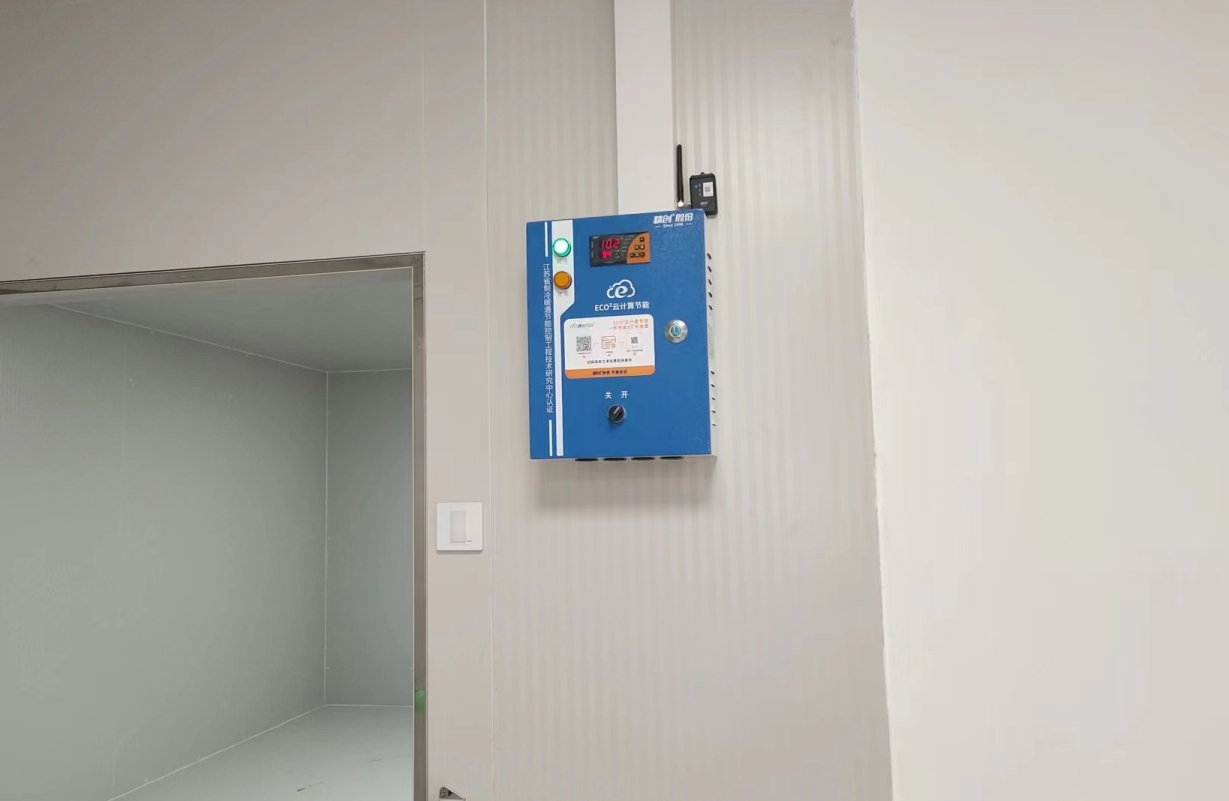
The refrigeration system consists of two completely independent refrigeration units serving as mutual backups. Each unit is composed of one semi-hermetic piston condensing unit and one ceiling-mounted air cooler. The two units are equipped with separate microcomputer temperature controllers interconnected via communication modules to realize automatic master-standby switching.
For the main unit, the compressor starts at 4°C and stops at 6°C; for the standby unit, the compressor starts at 5°C and stops at 7°C. If the warehouse temperature fails to drop below 6°C within 60 minutes of main unit operation, the main unit is judged faulty, the standby unit starts immediately to take over control logic, and an alarm is sent to the central monitoring station.
In terms of backup configurations, besides the one-main-one-standby refrigeration setup, key sensors adopt dual-probe redundant design. Condensate drain pipes are fitted with electric heat tracing and overflow alarm switches. For power supply, two independent power circuits are introduced from the building power distribution room, equipped with an automatic dual-power transfer switch with a switching time shorter than 1.5 seconds.
Equipment List
| Equipment Name | Brand & Model | Function |
|---|---|---|
| Semi-hermetic Piston Condensing Unit | Bitzer 4DES-7Y + air-cooled condenser | Main refrigeration unit, provides primary cooling capacity |
| Semi-hermetic Piston Condensing Unit | Bitzer 4CC-6.2Y + air-cooled condenser | Standby refrigeration unit, auto-engages upon main unit failure |
| Ceiling-mounted Air Cooler | Güntner GHF series, double-sided air outlet | Indoor heat exchange, delivers uniform air distribution matched with air ducts |
| Electronic Expansion Valve | Danfoss ETS series | Precisely regulates refrigerant flow rate |
| Microcomputer Temperature Controller | Eliwell EWPLUS 974 | Independent control of each unit, executes master-standby switching logic |
| Temperature Monitoring System | Zoglab PG600 series, Hangzhou | Multi-point temperature recording, data storage and remote communication |
| Polyurethane Cold Storage Panel | Jingxue Jiangsu, 100 mm thick, Class B1 fire resistance | Thermal insulation enclosure of the warehouse |
| Cold Storage Sliding Door | Custom matched model with electric heating door frame | Access passage, prevents door seal frost adhesion |
| Dual-power Automatic Transfer Switch | ASCO series | Automatic switching between two independent power supplies |
Construction Process
Installation of insulation panels commenced on January 5, 2026. After setting out reference lines, assembly started from corner panels. Two layers of sealant were applied to panel joints: neutral silicone sealant on the inner side and butyl sealing tape on the outer side.
A 0.15 mm PE moisture and vapor barrier film was laid between panels and the original floor to prevent rising ground moisture from increasing water content in the insulation layer. A 50 mm steel fiber reinforced fine aggregate concrete leveling layer was poured on the warehouse floor with anti-crack wire mesh embedded, finished with epoxy mortar self-leveling to meet cleanliness requirements for pharmaceutical storage.
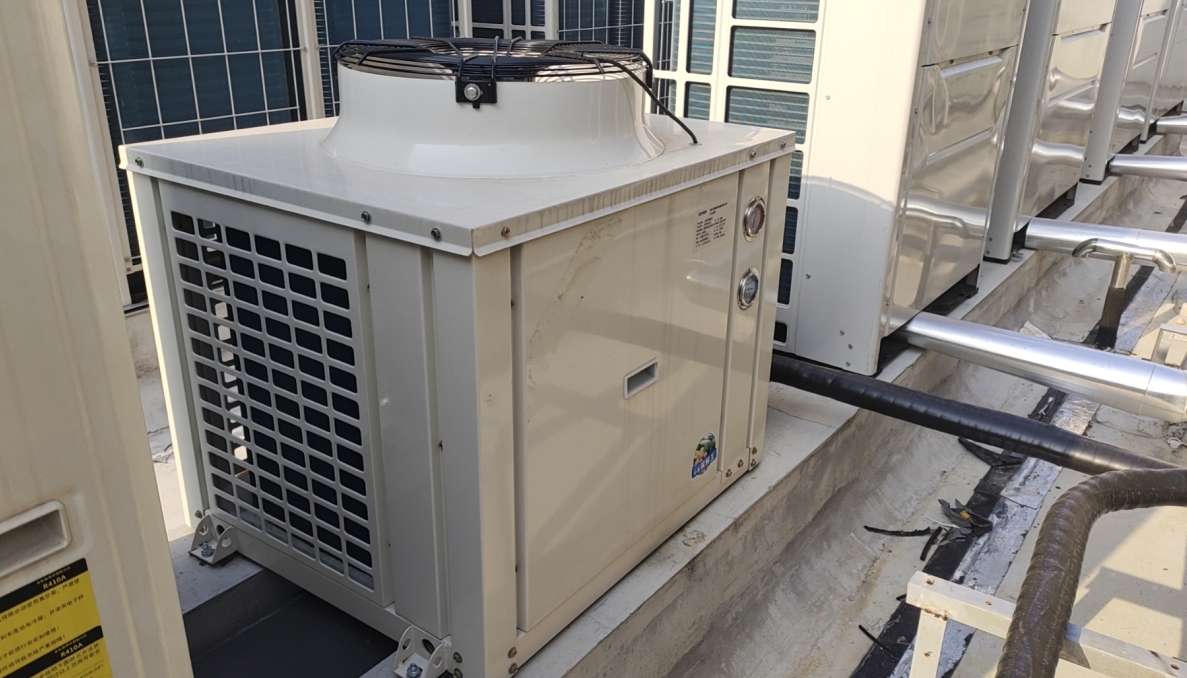
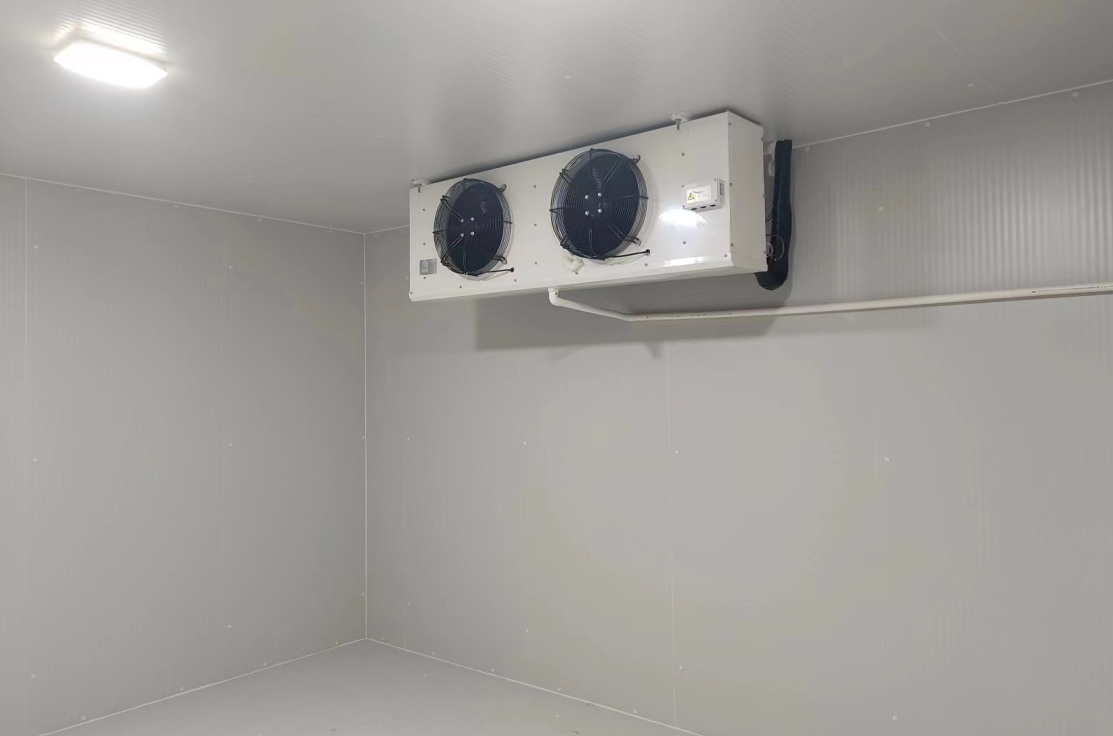
Refrigeration equipment was mounted on an outdoor equipment platform. Condensing units were placed 2.5 m away from the north wall of the warehouse and 0.8 m higher than the roof to facilitate liquid discharge loops. The two units were arranged separately to avoid mutual interference of exhaust air. Air coolers were hoisted under the rear ceiling inside the warehouse and flange-connected to perforated air supply plenum chambers. The plenum chamber size was calculated based on a face velocity of 0.35 m/s to ensure even airflow through perforations.
For pipeline construction, refrigerant lines used L-type hard brazed copper tubes with nitrogen purging throughout welding. After welding, a 2.5 MPa nitrogen pressure holding test was conducted for 24 hours; a pressure drop no more than 0.5% was deemed qualified. The system was evacuated to 50 Pa and held for 4 hours with vacuum rise limited to under 20 Pa. Refrigerant charge was fine-tuned according to operating conditions; the main unit adopted environmentally friendly R449A refrigerant with filling volume within ±5% of the nominal value marked on the unit nameplate.
Electrical installation complied with the campus low-voltage power distribution specifications. A dedicated cold storage distribution box was installed in the external control room. Two power cables were routed from separate low-voltage bus sections, running through galvanized steel conduits along cable trays. Shielded twisted pairs were used for control wiring, kept at least 300 mm apart from power cables. Communication wires were routed in separate conduits with anti-loosening copper terminals crimped at cable ends.
Commissioning & Acceptance
No-load cooling test
Carried out on January 18, 2026. Under ambient conditions of 12°C and 65% RH, the main unit was started. The warehouse temperature dropped from 15°C to 2°C in 38 minutes, with a minimum overshoot of 1.7°C before stabilizing. After controller auto-tuning, the steady no-load temperature range was 3.8°C~5.2°C.
Full-load temperature distribution test
Measuring points were laid out in accordance with GSP appendix requirements. Fifteen calibrated temperature loggers were evenly arranged in a 3-layer × 5-column grid across the effective storage zone. After 48 hours of continuous full-load operation, readings of all measuring points fell within 2.5°C~7.3°C, with a maximum temperature difference of 4.8°C and temperature uniformity of ±2.4°C, meeting design targets.
Door opening disturbance test
Performed under full-load conditions to simulate teaching scenarios: the door was opened once every 10 minutes for 30 seconds continuously over 2 hours. The maximum reading of the vestibule probe reached 11.2°C; the temperature dropped back below 8°C within 7 minutes and 30 seconds after door closure, while temperature fluctuation at the warehouse center did not exceed 1.8°C.
Master-standby switching test
Simulated equipment failure by forcibly cutting off power to the main unit. The standby unit started and took over control within 58 seconds. During switching, the warehouse temperature rose from 4.2°C to 6.8°C then declined without exceeding the upper limit of 8°C.
Acceptance was jointly completed by the school Logistics Department, Audit Department and a third-party verification service provider, with signed confirmation that the cold storage met the conditions for official operation.
Validation Results
The temperature distribution verification report issued by a third-party cold chain verification institution prior to formal handover confirmed: within the set range of 2°C~8°C, the temperature uniformity of the warehouse’s effective storage area reached ±2.5°C. The cold spot recorded 2.3°C (on the bottom shelf beside the return air wall), and the hot spot recorded 7.5°C (on the upper shelf near the door), both complying with the design acceptance criteria.
The power-off thermal insulation test showed that with all refrigeration equipment shut down under full load, the warehouse temperature rose from 4°C to 8°C over 3 hours and 12 minutes, exceeding the minimum 2-hour requirement recommended by GSP.
Actual Operational Performance
The cold storage has been running continuously for more than five months from commissioning in January 2026 to June, enduring the climate transition from low-humidity winter to high-humidity early summer. Operation data logged by the temperature monitoring system shows the warehouse temperature remained stably between 3.5°C and 6.8°C for long periods, with an average daily temperature fluctuation of approximately 3.3°C. The condensate drainage system operated smoothly without clogging or backflow during the high-humidity plum rain season.
The main unit accumulated roughly 3,200 operating hours, while the standby unit remained idle except for functional testing. Both units underwent scheduled monthly shutdown inspections as planned.
The smart campus platform retrieves data from the cold storage controller via Modbus TCP protocol, supporting real-time temperature display, historical curve inquiry and SMS alarm notifications. Only two early warnings were triggered after system launch, both caused by brief voltage fluctuations during planned campus power cuts and dual-power switching, with no disruption to normal cold storage operation.
Project Benefits
Warehouse Efficiency
After the centralized cold storage was completed, all 18 medical refrigerators originally scattered across 12 laboratories in four buildings were retired from refrigerated medicine storage, retained only for temporary sample storage. Medicines are uniformly distributed from the central cold storage to each teaching site, significantly boosting inventory turnover efficiency. End-of-semester stocktaking time was cut from the previous two full days to just four hours.
Optimized Management
Temperature records are automatically and continuously logged instead of manually transcribed. Data from the past 180 days can be traced and exported at any time, serving as direct supporting documents for audits of teaching pharmaceutical management. The school pharmacy department also upgraded its expiry date management: batch numbers and validity periods are registered upon warehouse entry, and goods are dispatched following the first-expired-first-out principle.
Improved Compliance
For the first time, the campus pharmaceutical storage conditions meet quantifiable, verifiable GSP temperature control standards thanks to the new cold storage. During a routine inspection of the affiliated outpatient clinic by the Pudong New Area Administration for Market Regulation in March 2026, the cold storage’s temperature logs and facility status passed on-site review without issues.
No matter your industry, no matter how complex your refrigeration needs, XNAIR Cold Storage can provide you with customized, energy-efficient solutions. Contact us now to start your successful project!
Contact XNAIR Cold Storage Now →Hedong Canteen Cold Storage Project at East China Normal University: Customized catering cold storage solution with German Bitzer system, -18℃ and 2-8℃ dual-temperature zones, energy-efficient design...
View Details →Shanghai XNAIR builds climate-resilient seed cold storage for Wuwangnong Seed in Lishui, maintaining 0-10℃ stability at 43℃ ambient with 48hr backup power, ensuring genetic resource security....
View Details →XiangNing Cold Storage provided EPC solutions for Hetian Eheng's agricultural cold chain logistics center in Pishan County, including thermal insulation materials, installation, and intelligent contro...
View Details →Shanghai XNAIR delivers 5-10℃ adjustable cold storage for Xihekang's semiconductor silicone raw materials in Xuhui, using Embraco compressors and modular design to ensure material stability for el...
View Details →Shanghai Haohai Biotech's 2024 pharmaceutical cold storage project, featuring German Bitzer refrigeration & Schneider control systems, meets GMP/ISO standards for high-precision medical storage....
View Details →Shanghai XNAIR delivers fire-resistant 0-5℃ tobacco leaf cold storage for Jiangxi Tobacco Research, using German GEA refrigeration and B1-grade insulation to meet agricultural research & food safe...
View Details →Phone
+86 180 1742 6215Tel
Shanghai XiangNing Electromechanical Equipment Co., LTD XML