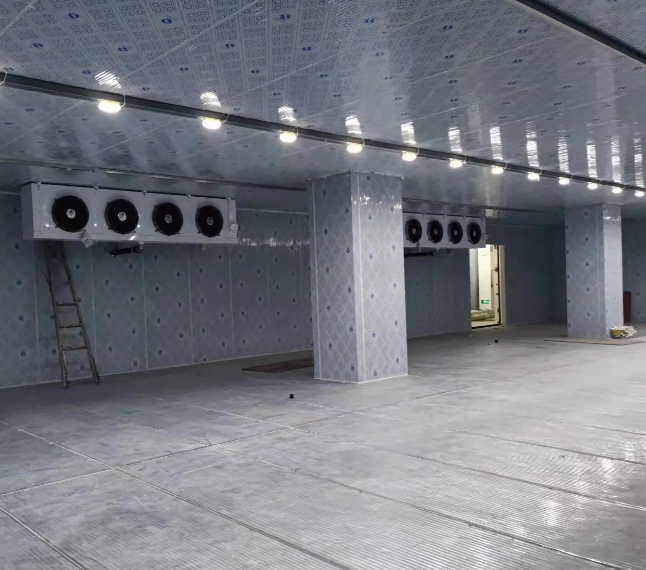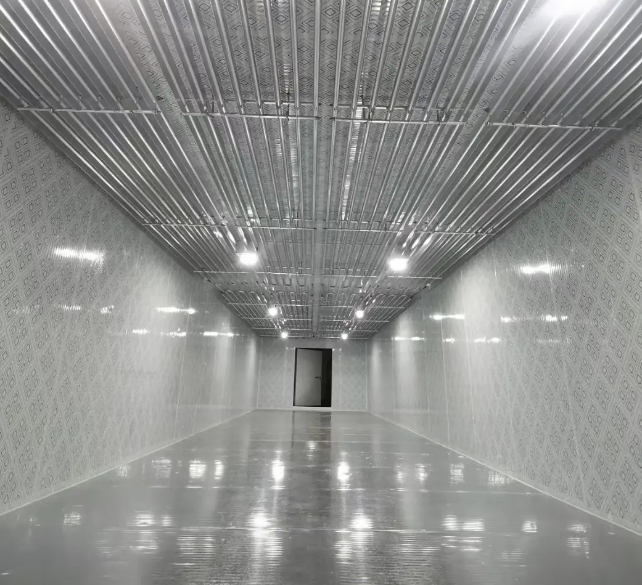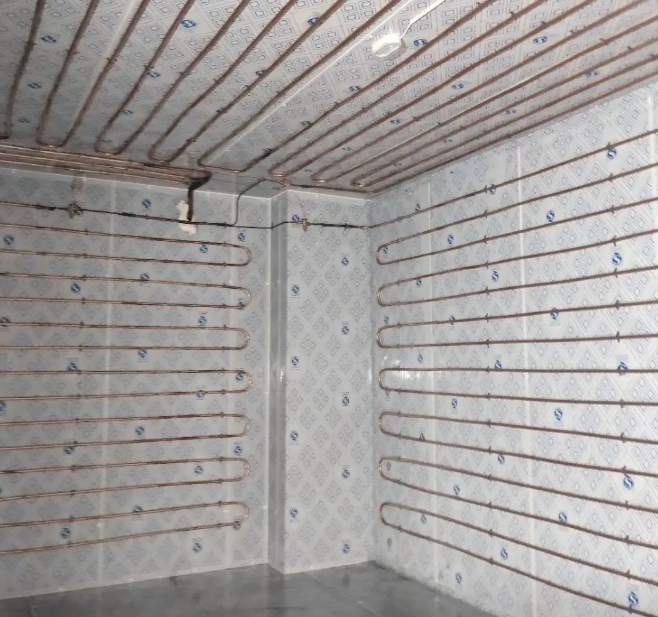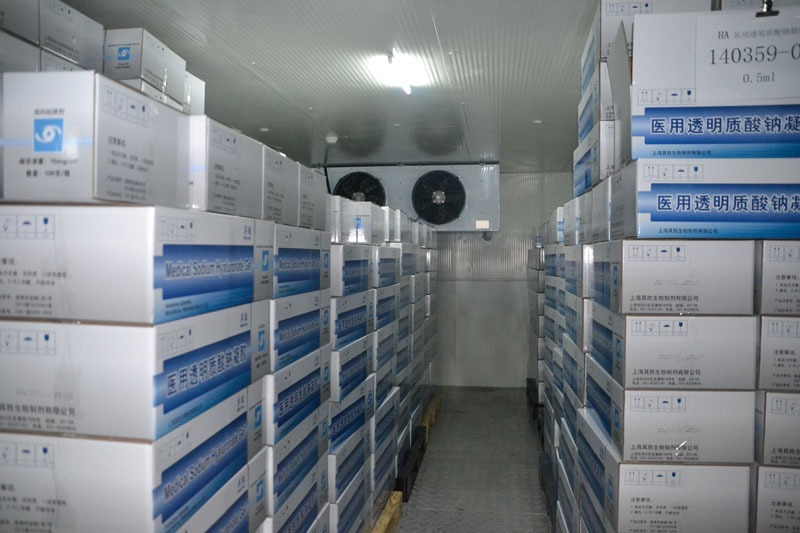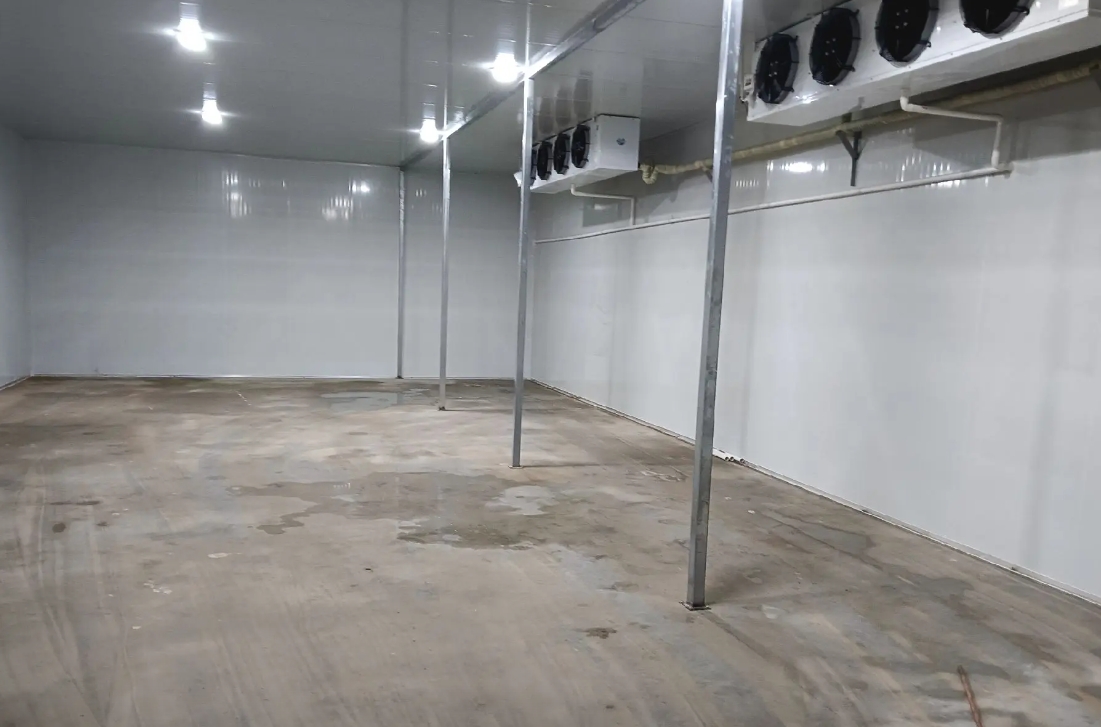
Shanghai XNAIR builds climate-resilient seed cold storage for Wuwangnong Seed in Lishui, maintaining 0-10℃ stability at 43℃ ambient with 48hr backup power, ensuring genetic resource security.
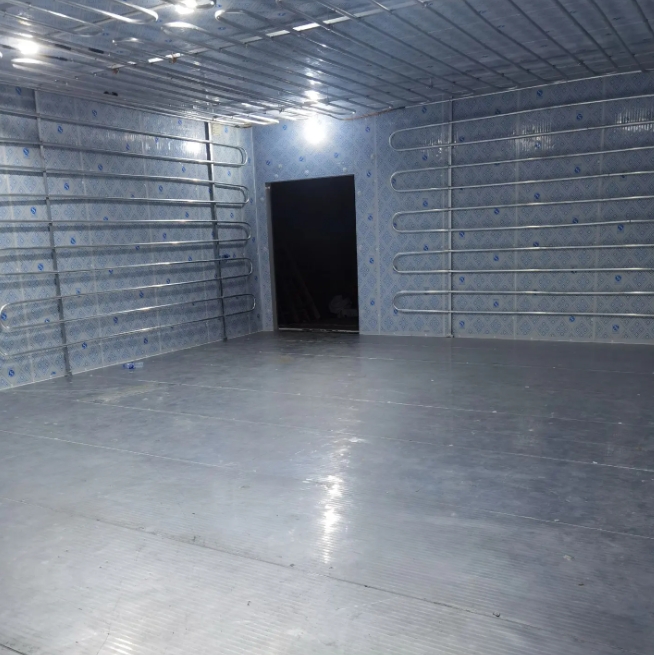
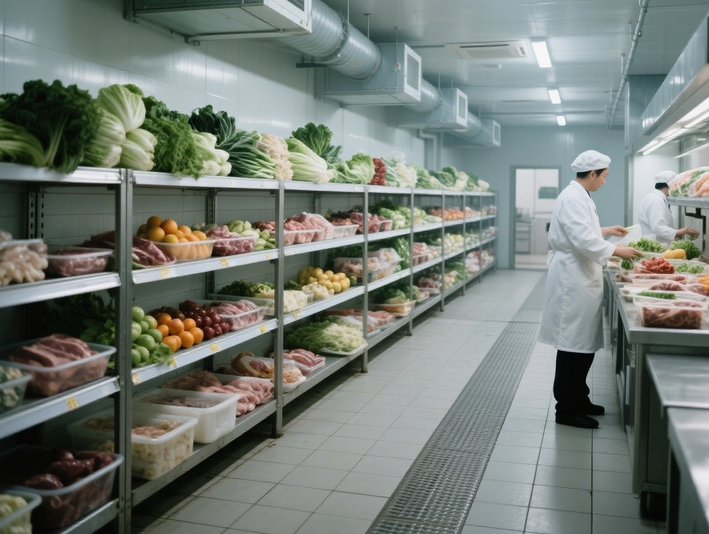
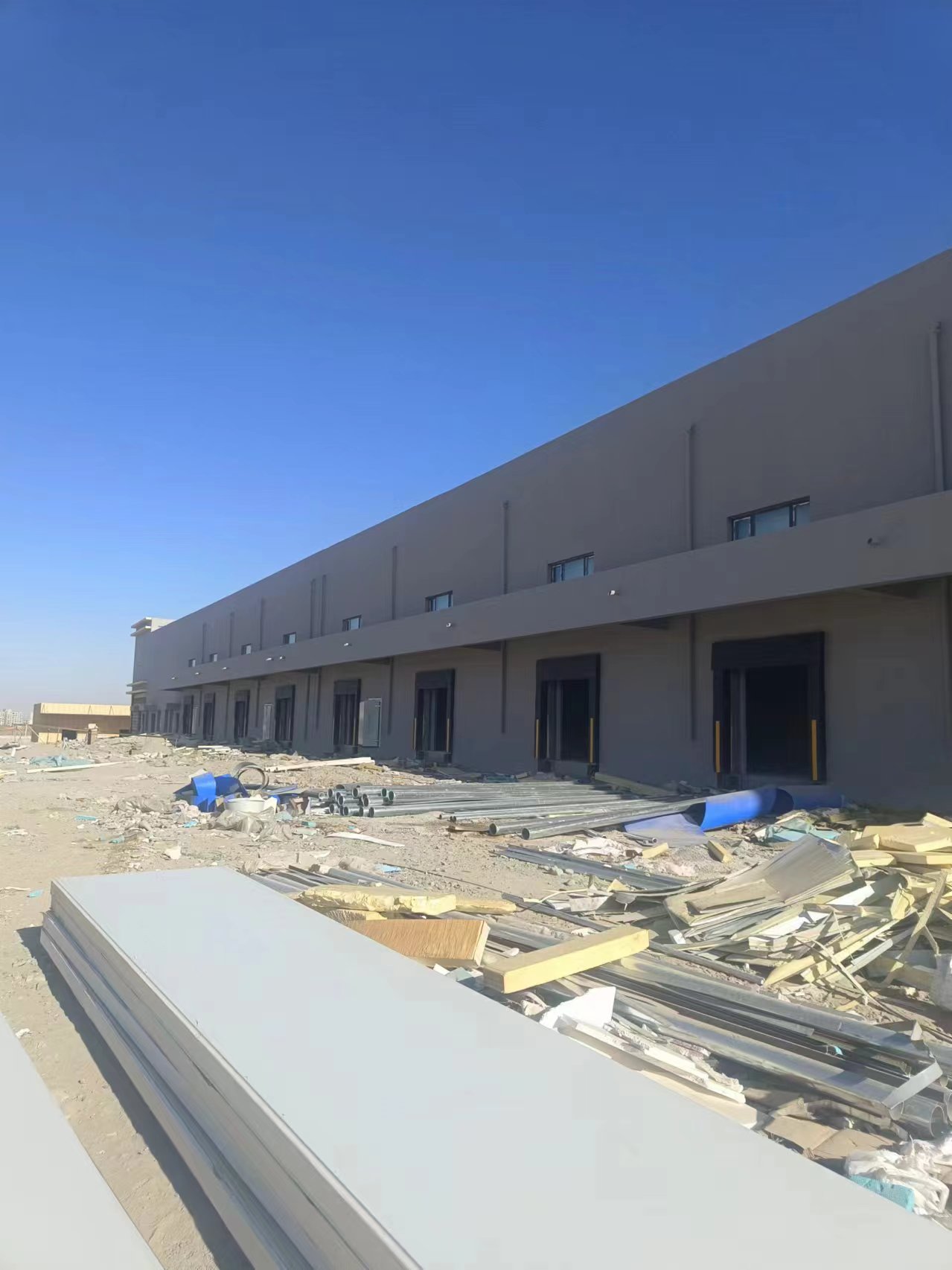
Lishui Wuwang Agricultural Seed Industry Co., Ltd. is a key enterprise engaged in the breeding and promotion of crop seeds in southwestern Zhejiang, undertaking the collection, preservation, development and utilization of local characteristic germplasm resources. In 2024, the enterprise launched a germplasm resource protection capacity upgrading project to build a high-resilience gene bank complying with modern low-temperature seed storage standards. The project is located in Liandu District, Lishui City, Zhejiang Province, within the central subtropical monsoon climate zone. The region witnesses frequent extreme high temperatures in summer. Meteorological records show that the extreme maximum summer air temperature has repeatedly exceeded 41℃ in the past five years, with surface temperature rising above 43℃, posing stringent requirements on the thermal performance of the cold storage envelope and the reliability of the refrigeration system. With a total volume of 800 cubic meters, the cold storage is designed to store conventional seeds such as rice, corn, beans and vegetables, as well as some endangered local germplasm resources. According to the physiological characteristics of seeds, the indoor temperature is stably controlled at 0℃–10℃ with relative humidity maintained at 45%–55%. This minimizes the respiratory metabolism of seeds during long-term preservation and avoids low-temperature frost damage. Designed in full compliance with the national standard Code for Design of Cold Store (GB 50072-2010), the project adopts targeted reinforcements in envelope structure selection, refrigeration system configuration, emergency power supply scheme and other core aspects.
The combination of Lishui’s unique climatic conditions and the ultra-high reliability requirements for the seed gene bank has created multiple technical obstacles for project design and construction.
| Challenge Category | Specific Manifestations | Technical Difficulties |
|---|---|---|
| Extreme Ambient Temperature | Outdoor temperature can reach 43°C in summer, creating a maximum temperature difference of 43°C between indoor and outdoor spaces. | The required heat flux control of the building envelope far exceeds that of ordinary cold storages. |
| Temperature Precision Control | Long-term seed preservation demands temperature fluctuation ≤±1°C. | It is challenging to match compressor capacity modulation with evaporator liquid supply. |
| 48-Hour Emergency Power Supply | Full refrigeration load must be sustained amid power outages. | Complex calculation of standby power capacity and automatic switching logic. |
| Independent Humidity Control | Precise humidity regulation inside the warehouse under 0–10°C low-temperature conditions. | Frost accumulation and defrosting on evaporators severely disturb internal temperature and humidity. |
| Germplasm Safety Assurance | Genetic resources are irreplaceable; any temperature control failure may lead to irreversible losses. | Complete system redundancy design and tiered fault response mechanisms are mandatory. |
Among all challenges, the envelope design under 43°C high ambient temperature stands out as the core technical bottleneck. According to conventional design practice, 150 mm-thick polyurethane panels are commonly used for warehouses maintained at 0°C. However, under an ambient temperature of 43°C, such panels deliver a heat transfer coefficient of roughly 0.20 W/(m²·K) and a heat flux up to 8.6 W/m² per unit area. This results in substantially elevated cold bridge risks, and fails to meet the seed gene bank’s standards for long-term energy efficiency and temperature stability.
1. High Thermal Insulation Envelope System
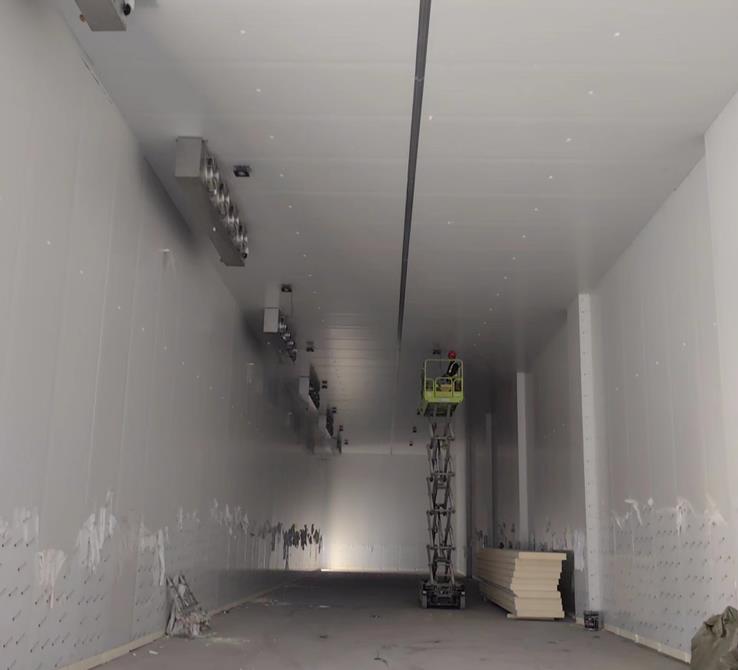
To withstand the extreme ambient temperature of 43°C, 200 mm Vacuum Insulation Panels (VIPs) are adopted as the core enclosure material for the cold storage. The VIPs feature thermal conductivity ≤ 0.007 W/(m·K), with the overall heat transfer coefficient controlled below 0.035 W/(m²·K).
Each VIP uses fumed silica as the core material wrapped with a high-barrier composite film, maintaining internal vacuum ≤ 10 Pa and a design service life of over 20 years. In terms of thermal insulation performance, a 200 mm VIP outperforms over 400 mm conventional polyurethane panels. The slim high-efficiency insulation drastically reduces wall thickness and improves space utilization of the 800 m³ storage room.
The construction team implemented rigorous treatments for critical structural joints:
Dual-seal panel joint design: inner dedicated butyl tape for VIPs plus on-site polyurethane foam filling on the outer layer to completely eliminate thermal bridges at seams.
Floor insulation consists of double staggered layers of 200 mm XPS boards with compressive strength ≥ 300 kPa, plus an underlying vapor barrier to prevent floor condensation.
Electric sliding insulated door with 200 mm thick leaf, built-in anti-condensation heating wires inside the frame, and triple airbag seals at the door bottom.
Thermal Performance Comparison of Envelope Materials
| Material Solution | Thickness (mm) | Thermal Conductivity (W/(m·K)) | Heat Transfer Coefficient (W/(m²·K)) | Heat Flux under 43°C Temperature Difference (W/m²) |
|---|---|---|---|---|
| Polyurethane Sandwich Panel | 150 | 0.024 | 0.160 | 6.88 |
| Polyurethane Sandwich Panel | 200 | 0.024 | 0.120 | 5.16 |
| VIP Panel (This Project) | 200 | 0.007 | 0.035 | 1.51 |
As shown in the table, the VIP system cuts heat flux down to 1.51 W/m², merely 22% of the value of the 150 mm polyurethane scheme, fundamentally mitigating heat infiltration under high-temperature surroundings.
Two Carrier Carlyle Model 05G semi-hermetic reciprocating compressors are deployed with an active-standby redundant setup. Each unit delivers a cooling capacity of 12.8 kW under -10°C evaporating / +40°C condensing conditions, and the combined output fully covers total cooling load with ample safety margin.
Suction-cooled motor design to accommodate frequent start-stop cycles and variable operating conditions
3-stage capacity modulation (33%, 66%, 100%) to match actual indoor heat load
Built-in oil separator to guarantee reliable oil return
Standard crankcase heater to avoid refrigerant migration during shutdown
Air-cooled condensers are mounted on the steel platform atop the warehouse, sized and verified for a 43°C design ambient temperature to cap condensing pressure during extreme heat. EC variable-speed fan motors adjust rotation speed automatically based on condensing pressure, balancing stable high-pressure operation and energy savings.
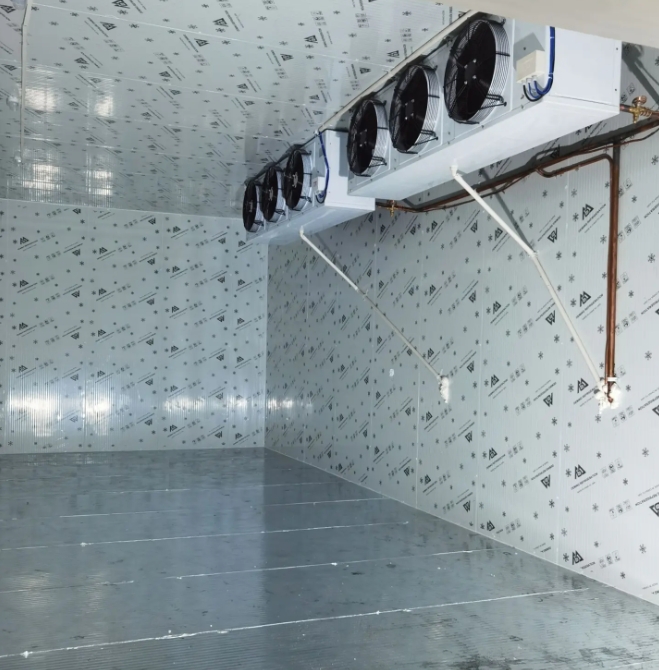
Four ceiling-mounted evaporators are installed, each equipped with dual expansion valves for redundant liquid supply precision. Every evaporator has an independent hot gas bypass defrost circuit, limiting indoor temperature fluctuation within ±1.5°C during defrost cycles.
The backup power system serves as a critical safeguard for irreplaceable germplasm resources. A diesel generator set is configured as the emergency power source with the following load calculation:
Rated power of single compressor: 9.2 kW
Condenser fan total power: 2 × 0.75 = 1.5 kW
Evaporator fan total power: 4 × 0.37 = 1.48 kW
Lighting & control system: 1.5 kW
Maximum total load: 13.68 kW
A 30 kW prime power diesel generator is selected with sufficient capacity buffer to withstand motor inrush current. An Automatic Transfer Switch (ATS) starts the generator and completes power switchover within 15 seconds upon mains failure. The 500 L fuel tank supports roughly 55 hours of continuous operation at 75% load factor, exceeding the 48-hour emergency demand with extra allowance for fuel degradation and load fluctuations.
The generator is housed in an independent equipment room fitted with acoustic enclosure and exhaust silencer, restricting noise below 75 dB(A). The unit automatically conducts a 30-minute loaded test run every month to maintain ready status.
The seed cold storage adopts centralized monitoring architecture combining PLC and HMI, with core control logics as follows:
Cascade PID temperature control: average temperature measured from six indoor points acts as the primary control variable, while evaporator outlet superheat serves as the secondary variable to suppress liquid supply temperature disturbances.
Independent humidification/dehumidification circuits decoupled from temperature control, eliminating temperature swings caused by traditional temperature-for-humidity compromise control.
Compressor rotation logic: the two units switch operation automatically every 48 hours to equalize runtime and extend service life.
Tiered fault response: automatic isolation of faulty sensors; single-point faults trigger alarms without shutdown; dual-point faults trigger automatic switchover to standby compressor; level-3 faults push remote notifications via SMS and mobile APP.
The remote monitoring platform supports real-time viewing of indoor temperature, humidity, equipment status and alarm logs via web and mobile terminals. Historical data is stored for a minimum of 24 months to meet traceability requirements for germplasm resource management.
During VIP panel installation, knocking or cutting is strictly prohibited. All panel seams undergo helium mass spectrometer leak detection with vacuum leakage rate ≤ 1×10⁻⁷ Pa·m³/s.
Refrigerant piping is welded under nitrogen shielding. The system holds pressure for 24 hours without pressure drop and is evacuated to a vacuum below 50 Pa.
A 72-hour continuous operation test is performed during commissioning, with temporary heaters used to simulate a 43°C external environment. Indoor temperature remains stable between 4.0°C and 5.2°C with fluctuation ≤ 1.2°C.
Power failure switchover test: the ATS activates the generator in 13 seconds under simulated mains outage. Indoor temperature rises only 0.6°C during blackout and recovers to setpoint within 18 minutes after power restoration.
The project passed final acceptance in October 2024, and all technical indicators fully met design standards after commissioning:
| Indicator | Design Requirement | Measured Value | Result |
|---|---|---|---|
| Indoor temperature range | 0°C–10°C | 3.5°C–5.5°C (setpoint: 4.5°C) | Pass |
| Temperature fluctuation | ≤±1°C | ±0.6°C | Pass |
| Relative humidity | 45%–55% | 48%–52% | Pass |
| Standby power continuous runtime | ≥48 h | 55 h under full load test | Pass |
| Mains-to-backup power switchover time | ≤30 s | 13 s | Pass |
| Envelope overall heat transfer coefficient | ≤0.04 W/(m²·K) | 0.035 W/(m²·K) | Pass |
In terms of energy consumption, statistical operating data covering seven months from November 2024 to May 2025 shows an average monthly power consumption of around 4,820 kWh, equivalent to a daily energy consumption of 0.20 kWh per cubic meter. This figure is lower than the industry average of 0.25–0.30 kWh/m³ for comparable seed cold storages, fully verifying the superior long-term thermal insulation performance of VIP panels.
For germplasm preservation performance, sampling tests were carried out on the first batch of 32 seed varieties after six months of storage. The germination rate drop for all varieties was less than 1 percentage point, demonstrating stable seed vitality. This validates that the precisely controlled 0–10°C storage environment effectively safeguards the genetic integrity of seeds.
No matter your industry, no matter how complex your refrigeration needs, XNAIR Cold Storage can provide you with customized, energy-efficient solutions. Contact us now to start your successful project!
Contact XNAIR Cold Storage Now →Hedong Canteen Cold Storage Project at East China Normal University: Customized catering cold storage solution with German Bitzer system, -18℃ and 2-8℃ dual-temperature zones, energy-efficient design...
View Details →Shanghai XNAIR builds climate-resilient seed cold storage for Wuwangnong Seed in Lishui, maintaining 0-10℃ stability at 43℃ ambient with 48hr backup power, ensuring genetic resource security....
View Details →XiangNing Cold Storage provided EPC solutions for Hetian Eheng's agricultural cold chain logistics center in Pishan County, including thermal insulation materials, installation, and intelligent contro...
View Details →Shanghai XNAIR delivers 5-10℃ adjustable cold storage for Xihekang's semiconductor silicone raw materials in Xuhui, using Embraco compressors and modular design to ensure material stability for el...
View Details →Shanghai Haohai Biotech's 2024 pharmaceutical cold storage project, featuring German Bitzer refrigeration & Schneider control systems, meets GMP/ISO standards for high-precision medical storage....
View Details →Shanghai XNAIR delivers fire-resistant 0-5℃ tobacco leaf cold storage for Jiangxi Tobacco Research, using German GEA refrigeration and B1-grade insulation to meet agricultural research & food safe...
View Details →Phone
+86 180 1742 6215Tel
Shanghai XiangNing Electromechanical Equipment Co., LTD XML