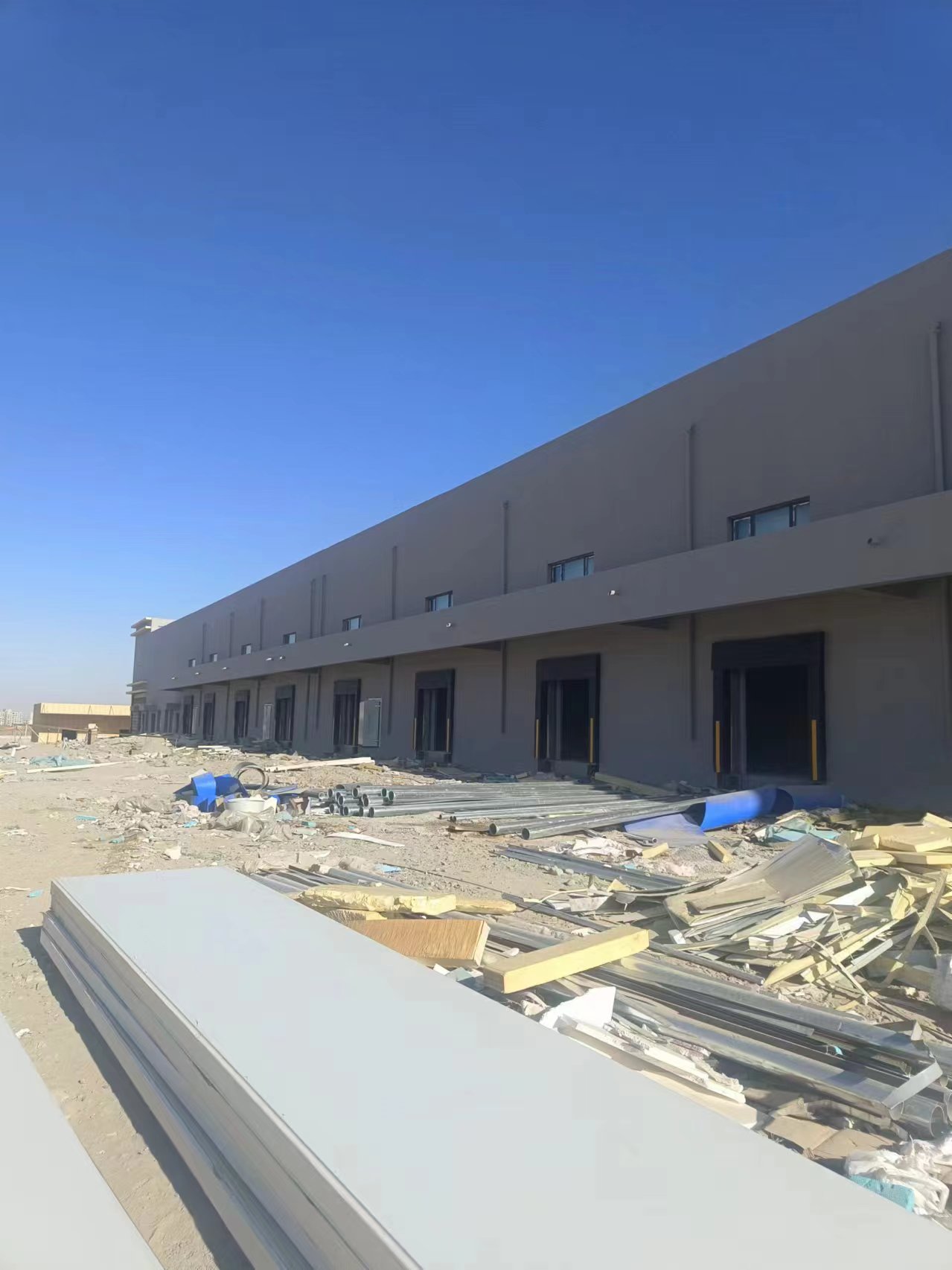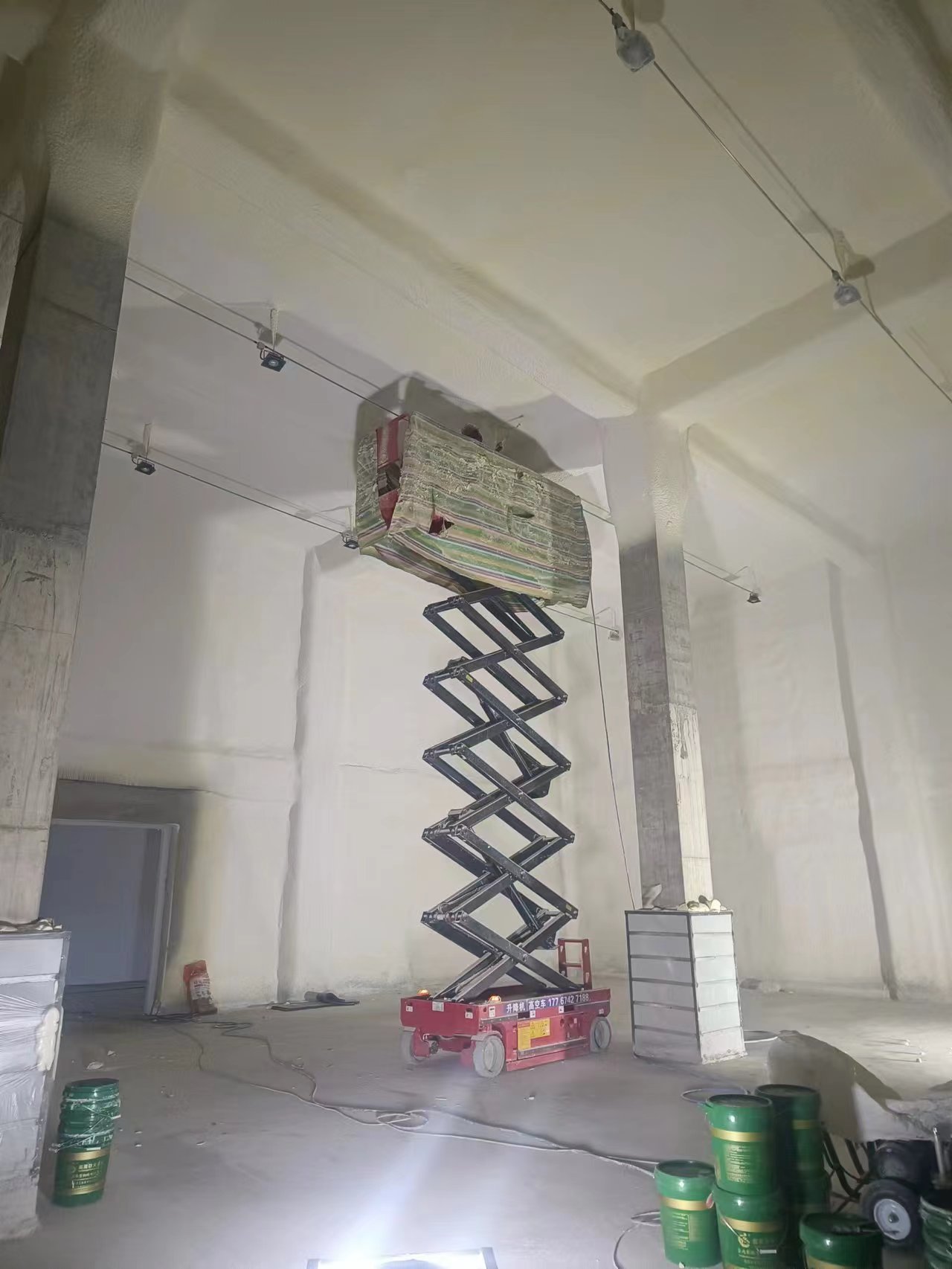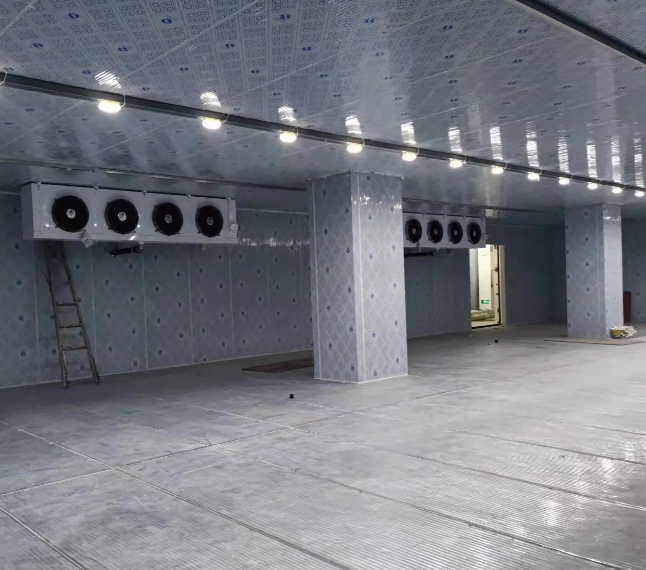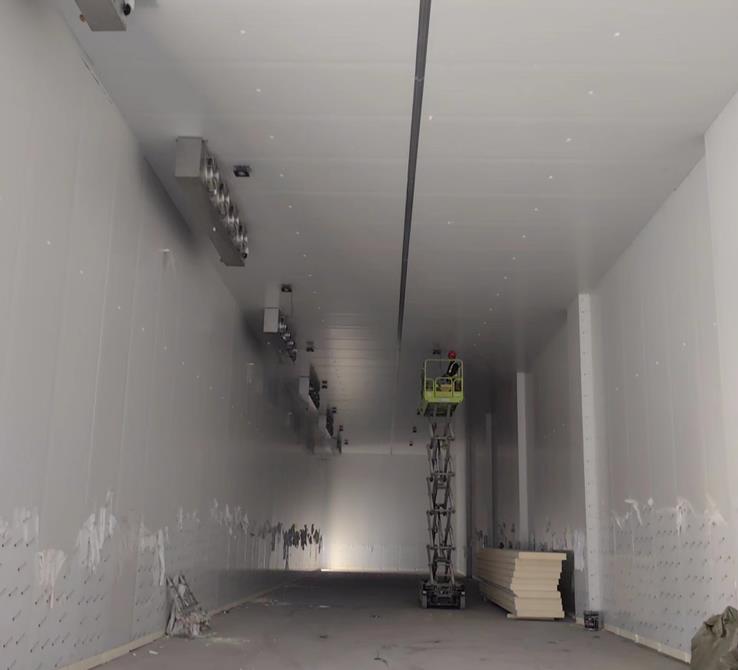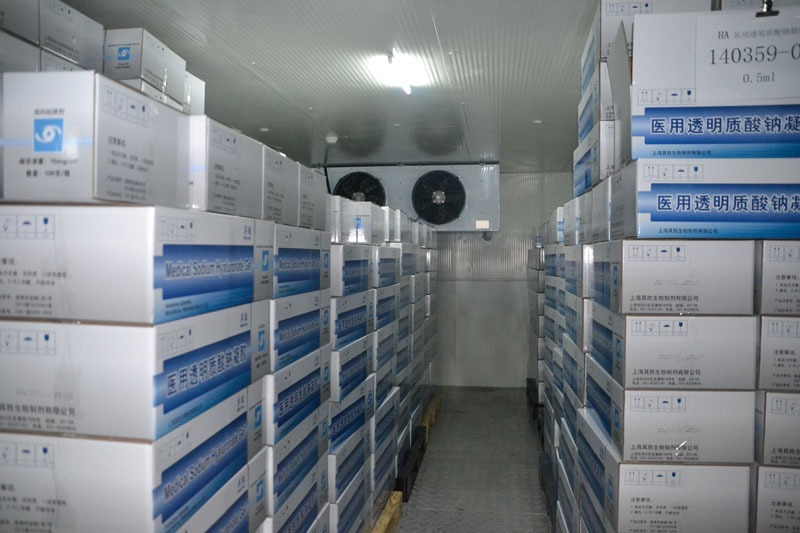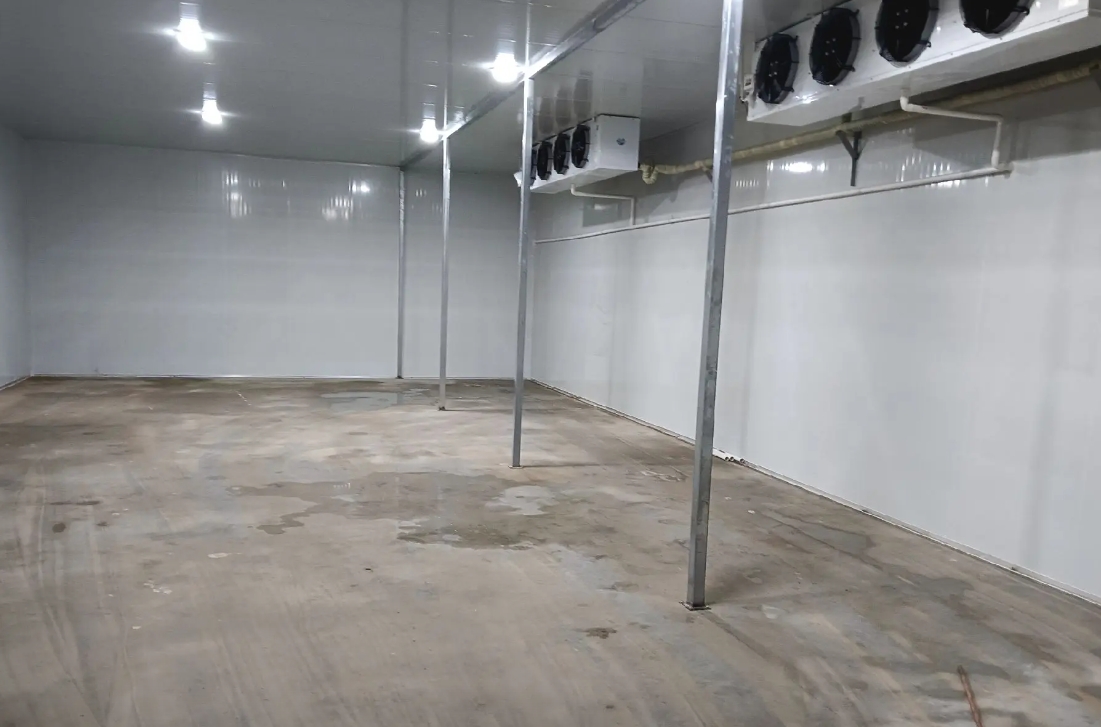
XiangNing Cold Storage provided EPC solutions for Hetian Eheng's agricultural cold chain logistics center in Pishan County, including thermal insulation materials, installation, and intelligent contro
Eheng Cold Chain Logistics Center of Hotan is located in Pishan County, Hotan Prefecture, Xinjiang, on the southern edge of the Taklamakan Desert, featuring a typical continental extremely arid climate. Positioned as a cold chain hub for south Xinjiang agricultural products outbound transportation, the project mainly provides pre-cooling, sorting, temporary storage and transshipment services for Pishan jujubes, walnuts, pomegranates and livestock products.
At the initial project approval stage, the engineering team confronted multi-dimensional core challenges as detailed below:
| Challenge Category | On-site Conditions & Technical Constraints |
|---|---|
| Geological Conditions | Alternating layers of silty sand and gravel form the foundation with uneven bearing capacity; frost heave risks of cold storage floor slabs must be mitigated. |
| Extreme Climate Characteristics | Extreme dry-bulb temperature hits 42°C in summer and drops to -22°C in winter, creating an annual temperature swing of 64°C that induces severe thermal stress fatigue in building envelopes. |
| Water Resource Restrictions | The annual evaporation capacity in Pishan County exceeds 2,800 mm, ruling out evaporative cooling for condensers; an all-air-cooled system is mandatory. |
| Power Grid Fluctuations | Located at the terminal end of rural power grids with dramatic seasonal load variations, voltage deviations frequently exceed ±10%. |
| Operation & Maintenance Capacity | Shortage of professional refrigeration technicians locally; the system must feature high automation and remote diagnostic functions. |
Engineering Note: Frost heave of cold storage floors constitutes a hidden hazard in desert fringe zones. Despite the extremely deep groundwater table in this region, failure to effectively block winter ground temperature gradients will lead to the formation of frozen soil lenses beneath floor slabs and subsequent uneven floor heave.
As the EPC general contractor, we have developed a full turnkey delivery solution covering three dimensions: thermal design of building envelopes, refrigeration system architecture, and intelligent IoT control platform.
1. Thermal Design and Installation of Building Envelopes
Thermal Insulation System
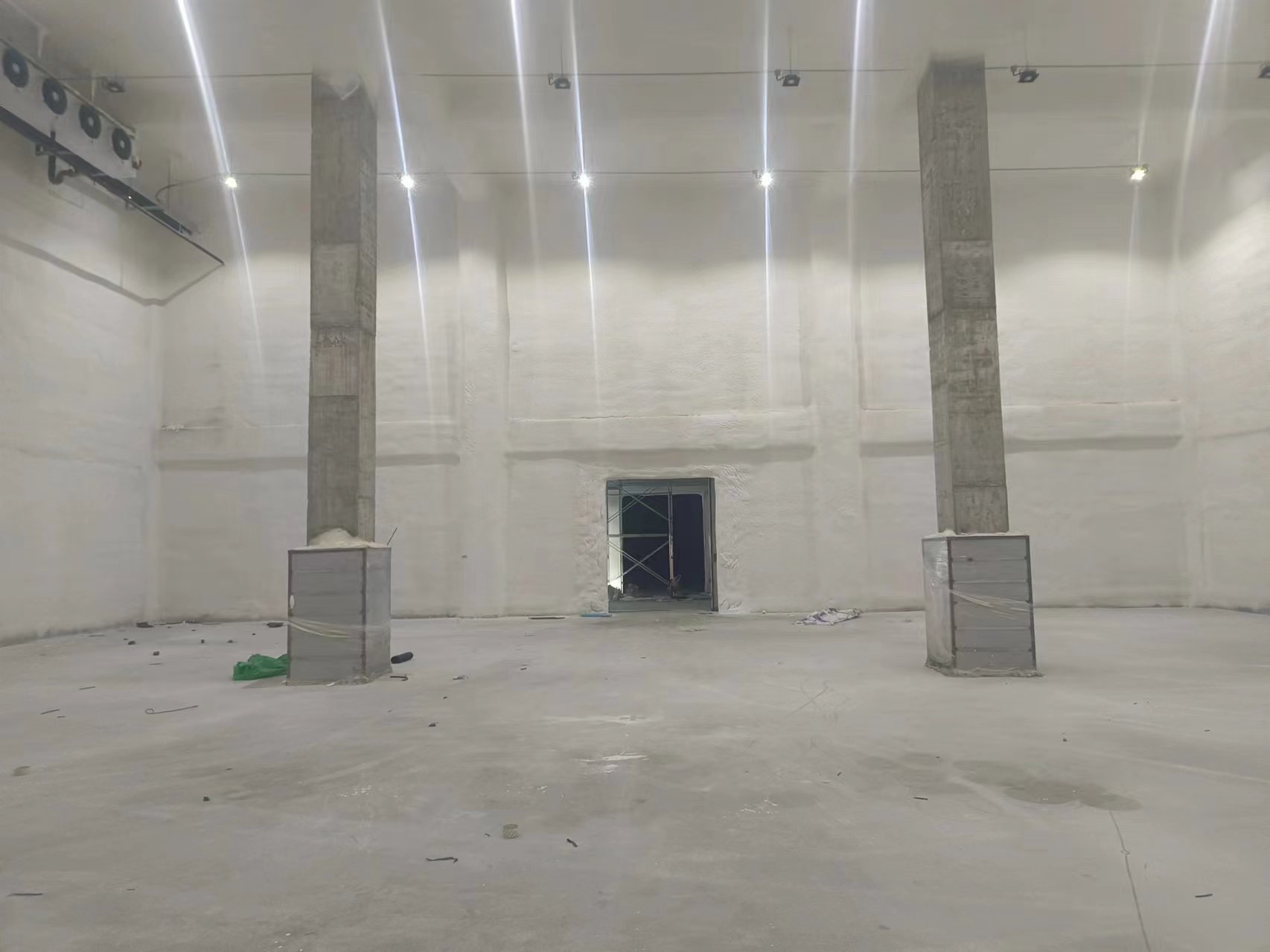
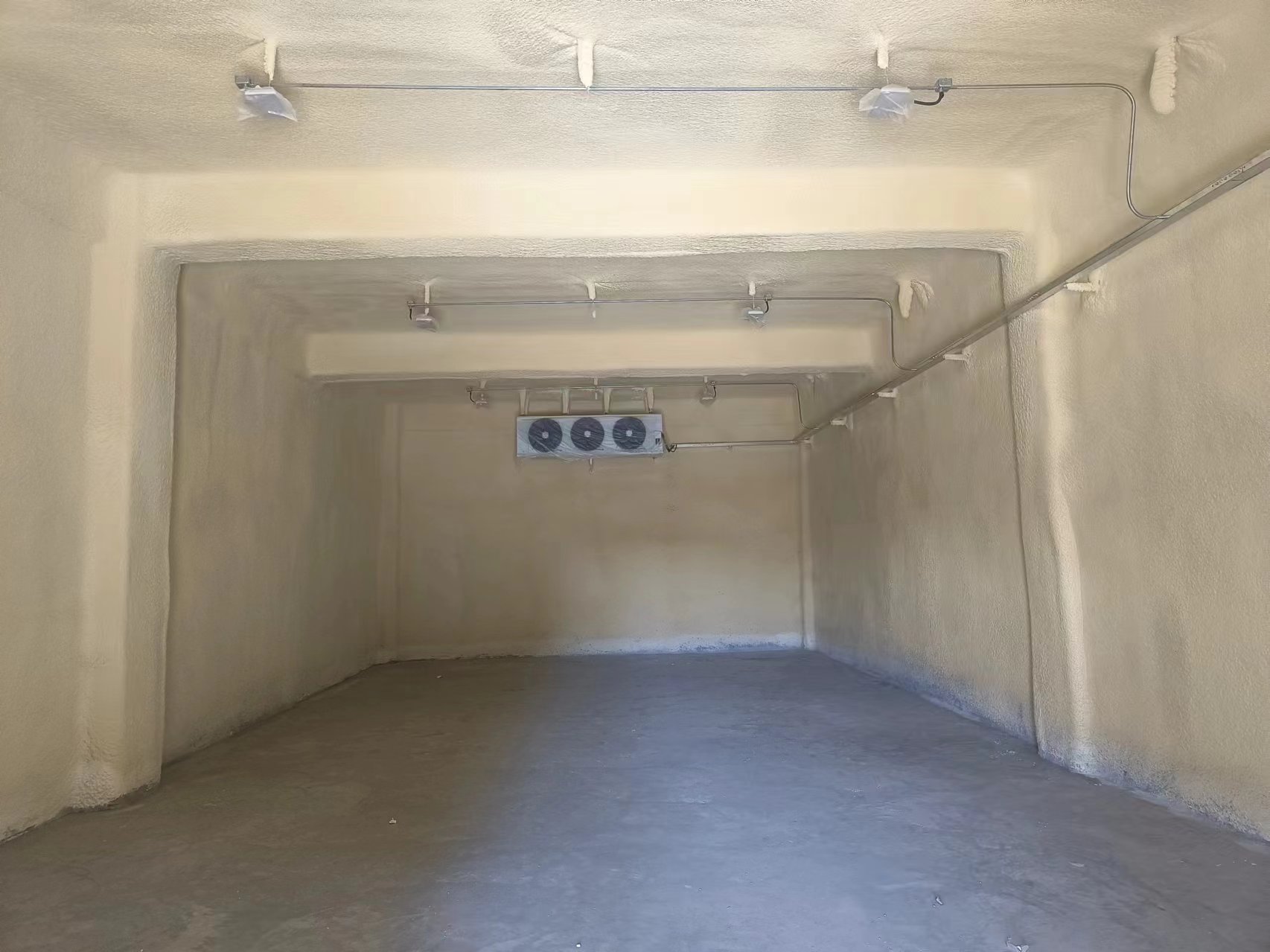
150 mm-thick rigid PIR foam sandwich panels are adopted for cold storage walls, with a core density of 42±2 kg/m³ and closed-cell ratio ≥95%. The factory-certified R-value reaches 6.8 per inch in compliance with ASTM C518.
To accommodate the wide temperature swing, panel tongue-and-groove joints adopt a dual-seal structure: an inner EPDM foam sealing strip plus an outer weather-resistant silicone sealant to block infiltration of hot and humid air.
Thermal Interruption for Floors
A three-layer floor structure is implemented: staggered-laid XPS boards + cement mortar leveling layer + PE vapor barrier membrane.
100 mm XPS boards are laid in two staggered layers with compressive strength ≥300 kPa to balance thermal insulation and load resistance. DN150 PVC floor ventilation pipes are arranged at a spacing of 2.5 m and connected to natural ventilation shafts, creating passive convection by leveraging the large day-night temperature difference typical of desert regions.
Modular Installation
All cold storage panels, refrigeration unit bases, and pipe supports are prefabricated in the factory. On-site assembly uses bolted connections instead of conventional welding, with a maximum daily panel installation area of 380 m². The overall construction period from foundation pouring to enclosure water tightness test is shortened by 25% compared with traditional construction methods.
2. Design of Refrigeration and Defrost Systems
Based on the total volume of 12,000 m³ and multi-temperature-zone requirements, the refrigeration system configuration is specified as follows:
| Parameter Item | Solution Details |
|---|---|
| Temperature Zones | -18°C freezing zone (4,000 m³); 0–4°C refrigerated zone (5,000 m³); 10–15°C constant-temperature processing zone (3,000 m³) |
| Evaporating Temperature Levels | -28°C (freezing zone); -8°C (refrigerated zone); +5°C (constant-temperature zone) |
| Compressor Selection | Semi-hermetic parallel piston units for freezing zone; variable-frequency scroll compressors for refrigerated and constant-temperature zones; all charged with R507A refrigerant |
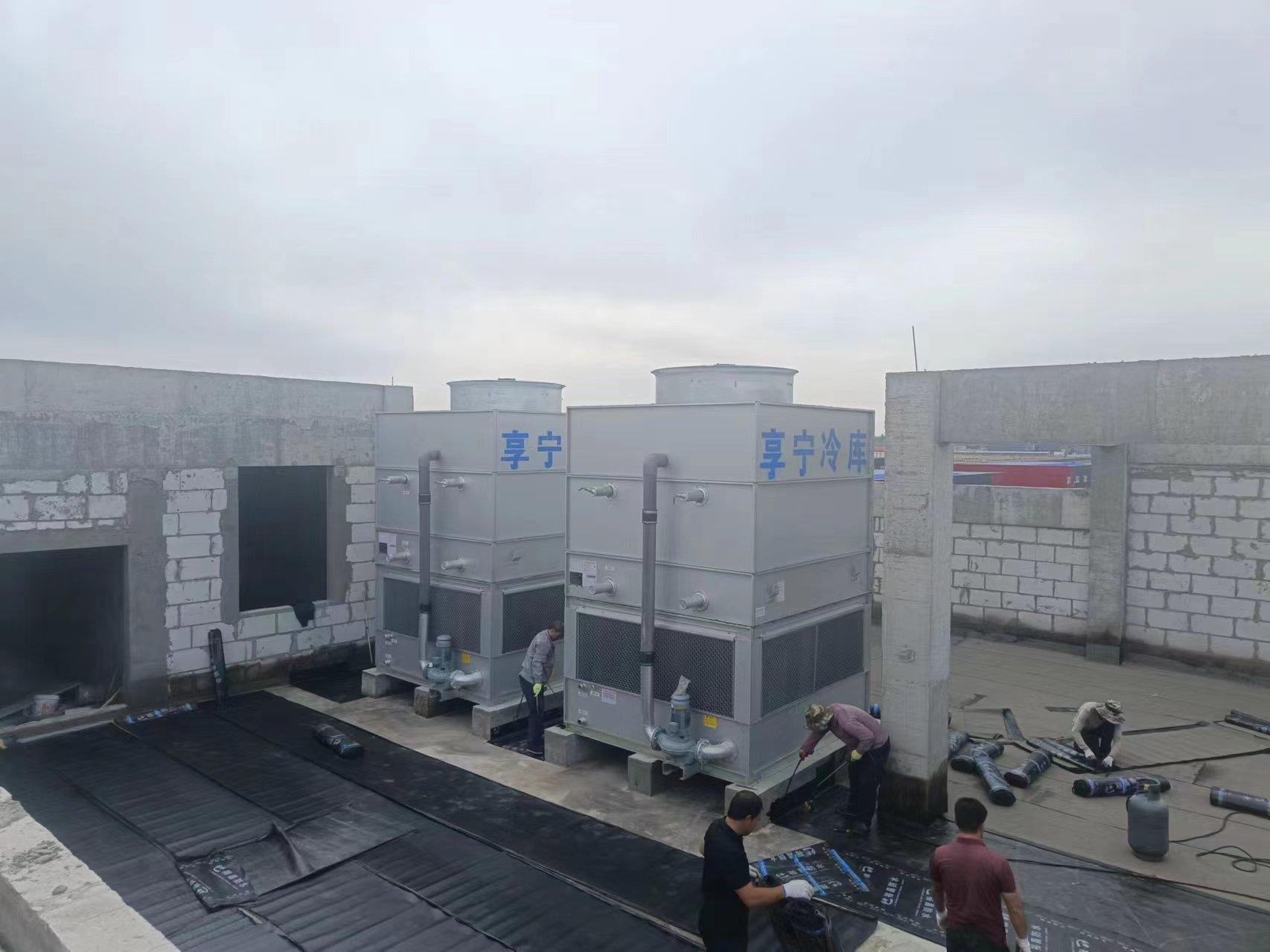
| Condenser Design | Full air-cooled configuration; condenser fins coated with hydrophilic aluminum foil and anti-corrosion finish, verified under a design ambient temperature of 45°C |
| Defrost Strategy | Freezing zone: hot gas defrost controlled by combined timer and differential pressure logic; refrigerated zone: natural shutdown defrost; no electric heating defrost to minimize temperature fluctuation and energy consumption |
| Temperature Control Precision | Electronic expansion valves with adaptive PID regulation for liquid supply; measured steady-state temperature deviation ≤ ±0.5°C |
Key Design Points for Hot Gas Defrost Piping
A bypass loop is added from the oil separator to evaporators. During defrosting, high-pressure discharge gas flows through bypass valves into evaporators, delivering sensible and latent heat for rapid frost removal. A suction pressure regulating valve (KVP valve) maintains evaporating pressure within a preset range throughout defrosting to eliminate risk of compressor liquid slugging.
3. IoT Intelligent Control and O&M System
To address the local shortage of professional maintenance staff, a three-tier intelligent control architecture is deployed:
Local Control Tier: Siemens S7-1200 PLCs execute real-time refrigeration cycle control, defrost sequence management, and condenser fan speed regulation.
Edge Computing Tier: Industrial gateways aggregate data and convert communication protocols, with on-site 72-hour data cache to prevent data loss during network outages.
Cloud Platform Tier: Operating data uploaded via MQTT protocol with response latency below 2 seconds. The platform embeds a digital twin model of the refrigeration system, which continuously compares theoretical COP against actual COP and triggers automatic alerts once deviation exceeds 15%.
Core IoT Functions
Remote start/stop control, setpoint remote issuance, historical curve retrieval, fault code diagnosis, and spare part lifespan prediction based on cumulative operating hour statistics.
The project passed the 168-hour joint trial operation acceptance in August 2024 and was officially handed over for production in September. During the peak jujube harvesting season of 2024, the system ran continuously for 72 days without interruption, achieving a 100% normal operation rate in peak season.
| Indicator | Design Value | Measured / Operating Value |
|---|---|---|
| Warehouse cooling rate (ambient temperature down to -18°C) | 72 h | 58 h |
| Steady-state temperature fluctuation (freezing zone) | ±1.0°C | ±0.4°C |
| Temperature rise during defrosting (freezing zone) | ≤5.0°C | ≤3.2°C |
| Average daily comprehensive energy consumption | — | 3,780 kWh (peak season) |
| Daily energy consumption per unit volume | — | 0.315 kWh/m³ |
| Command response delay of IoT platform | <2 s | Average 1.1 s |
| Success rate of remote fault diagnosis | — | 96.8% |
| Downtime in peak season | — | 0 h |
Summary of Benefit Analysis
Reduced Product Loss
Post-harvest loss of jujubes dropped from 12% under traditional sun-drying mode to below 3%, and sugar content retention rate was improved after pre-cooling treatment.
Optimized Energy Efficiency
Coordinated regulation of electronic expansion valves and variable-frequency compressors boosted the system COP by approximately 22% under part-load conditions compared with fixed-frequency schemes.
Lower O&M Labor Input
Fully automatic operation only requires one part-time on-site operator for routine inspections. Daily operation and maintenance are supported by remote diagnosis and quarterly on-site maintenance services.
No matter your industry, no matter how complex your refrigeration needs, XNAIR Cold Storage can provide you with customized, energy-efficient solutions. Contact us now to start your successful project!
Contact XNAIR Cold Storage Now →Hedong Canteen Cold Storage Project at East China Normal University: Customized catering cold storage solution with German Bitzer system, -18℃ and 2-8℃ dual-temperature zones, energy-efficient design...
View Details →Shanghai XNAIR builds climate-resilient seed cold storage for Wuwangnong Seed in Lishui, maintaining 0-10℃ stability at 43℃ ambient with 48hr backup power, ensuring genetic resource security....
View Details →XiangNing Cold Storage provided EPC solutions for Hetian Eheng's agricultural cold chain logistics center in Pishan County, including thermal insulation materials, installation, and intelligent contro...
View Details →Shanghai XNAIR delivers 5-10℃ adjustable cold storage for Xihekang's semiconductor silicone raw materials in Xuhui, using Embraco compressors and modular design to ensure material stability for el...
View Details →Shanghai Haohai Biotech's 2024 pharmaceutical cold storage project, featuring German Bitzer refrigeration & Schneider control systems, meets GMP/ISO standards for high-precision medical storage....
View Details →Shanghai XNAIR delivers fire-resistant 0-5℃ tobacco leaf cold storage for Jiangxi Tobacco Research, using German GEA refrigeration and B1-grade insulation to meet agricultural research & food safe...
View Details →Phone
+86 180 1742 6215Tel
Shanghai XiangNing Electromechanical Equipment Co., LTD XML