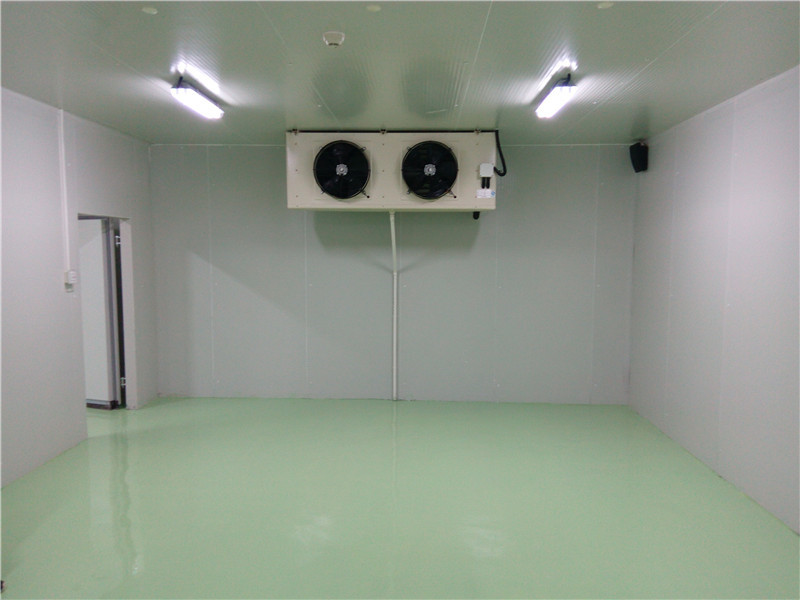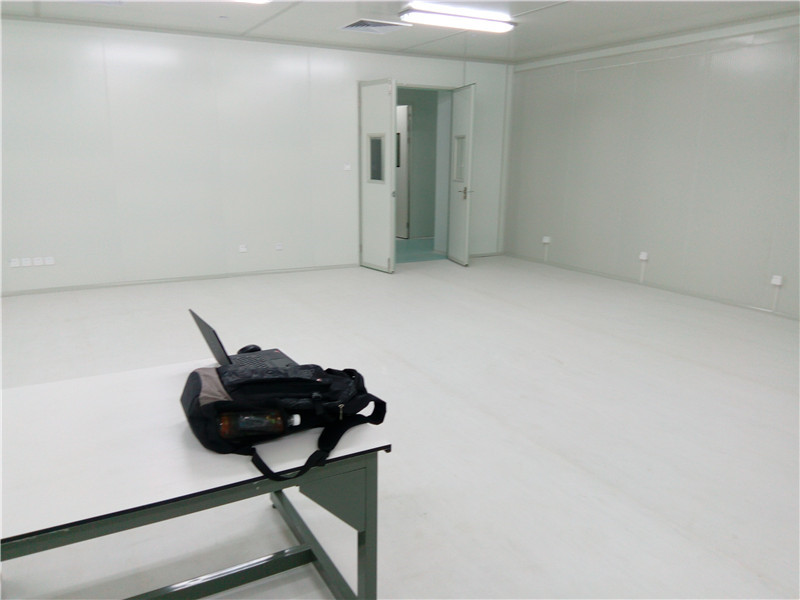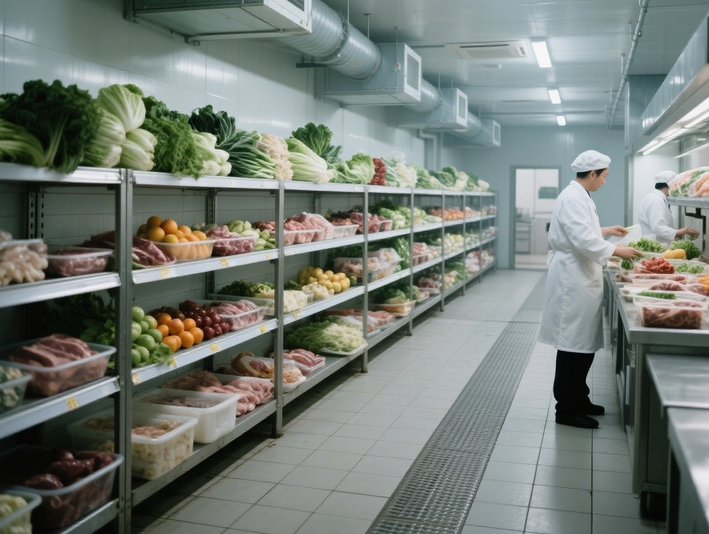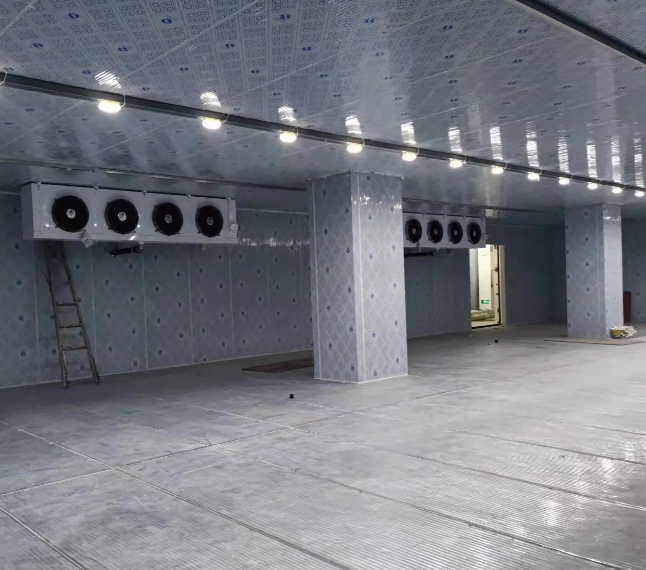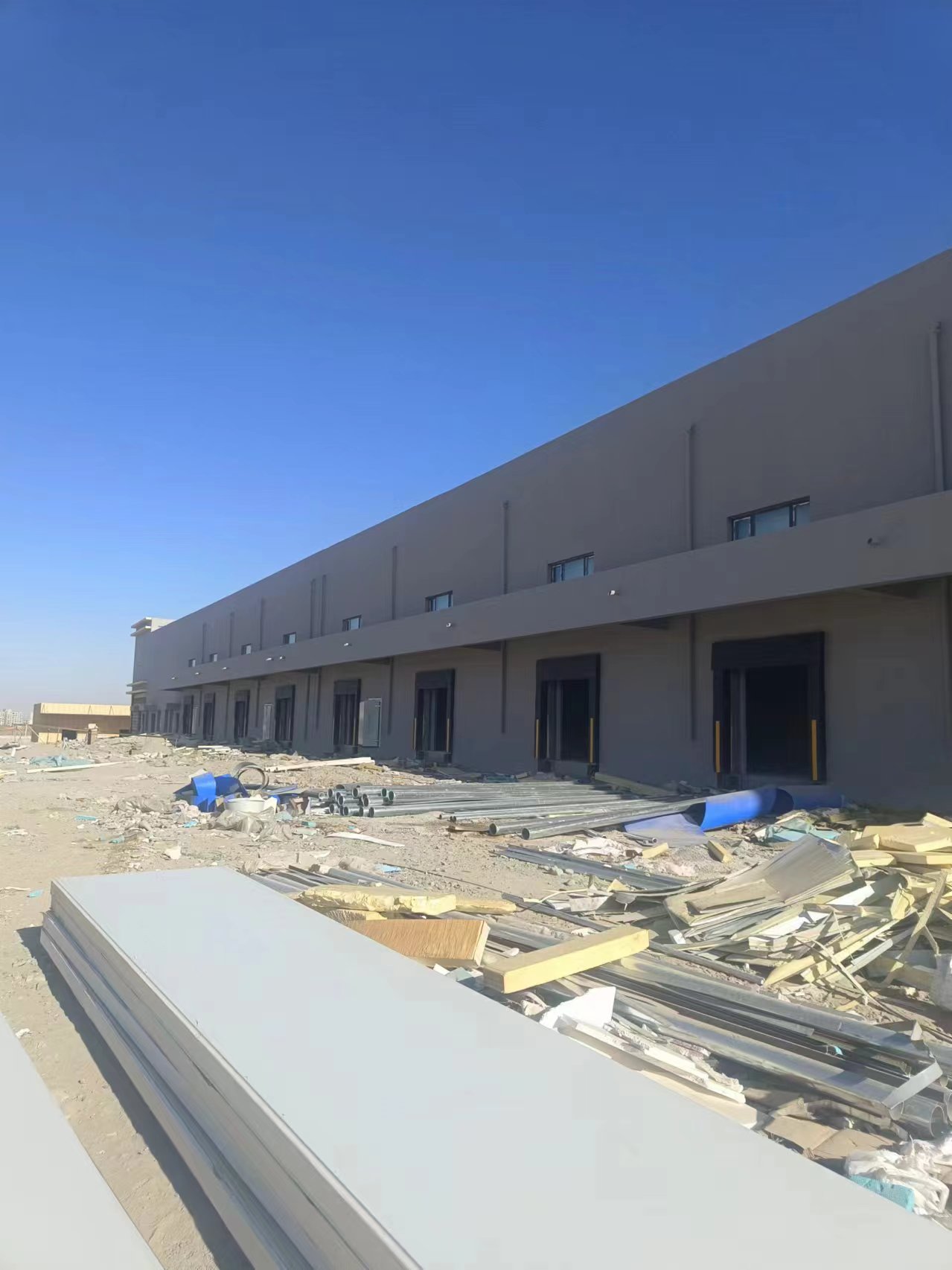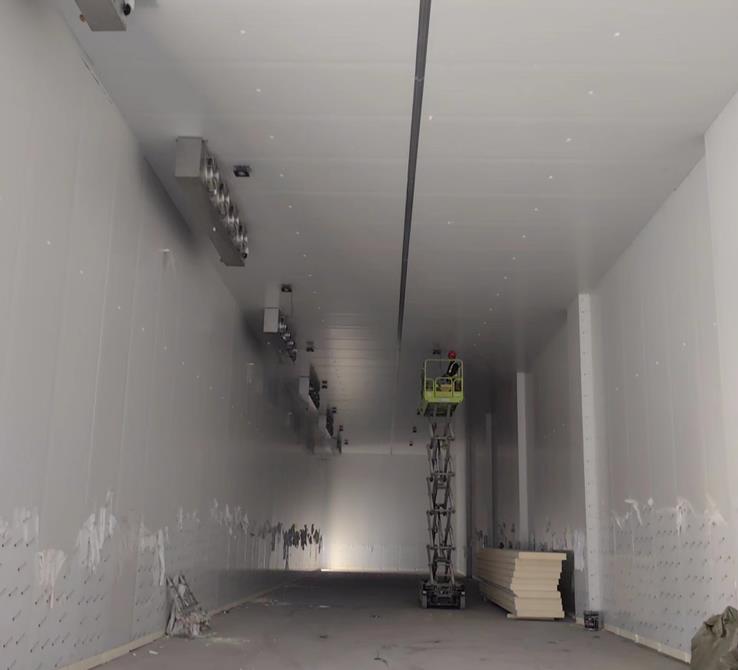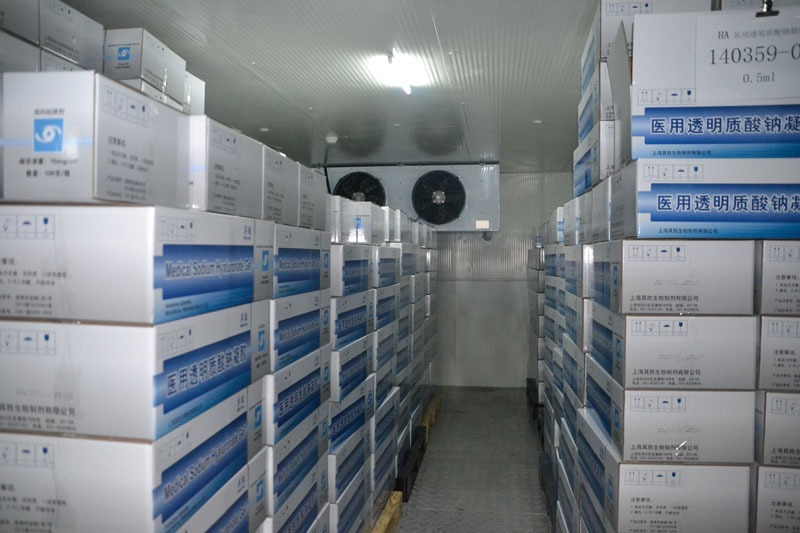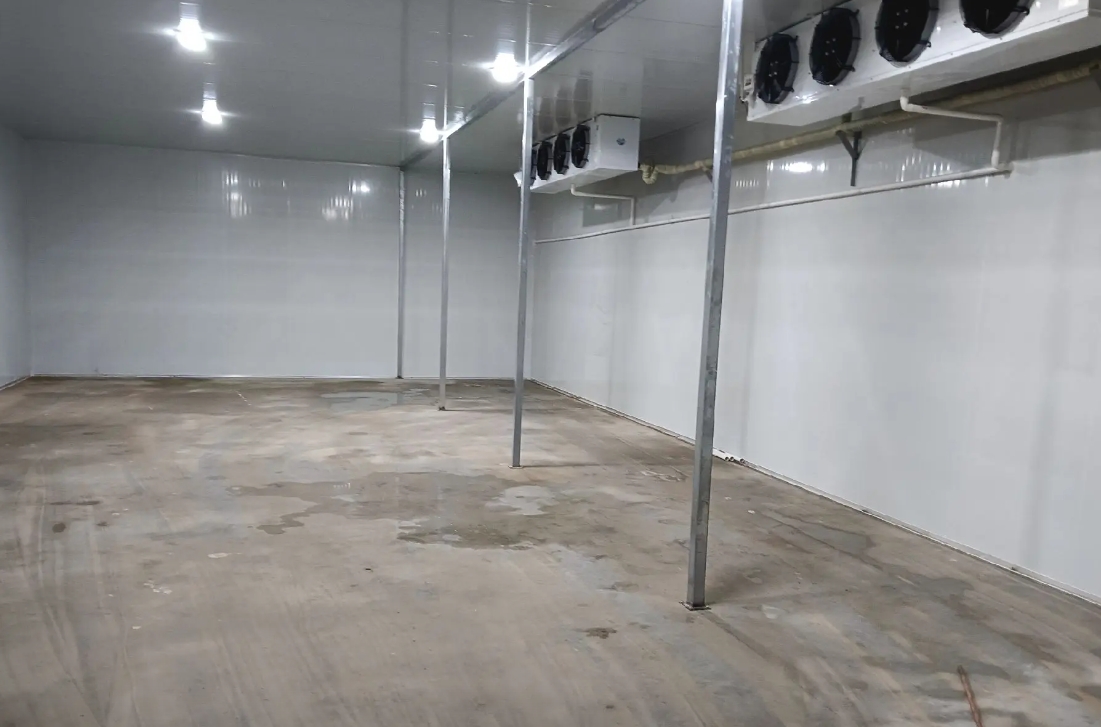
Taizhou Blue West (Kangwei Century) Biotech Cold Storage Project: A GSP-compliant -20°C/4°C biological reagent cold storage solution with 500m³ capacity, ensuring pharmaceutical safety through dual ba
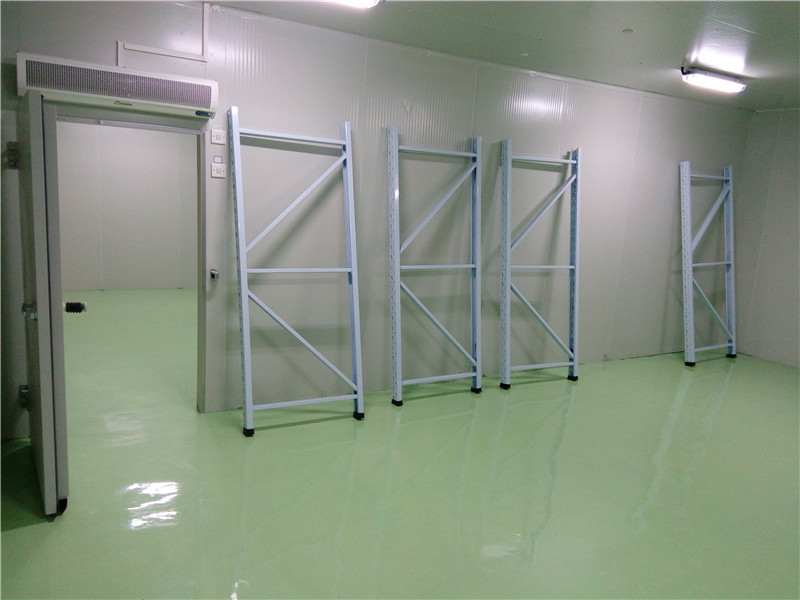
In the third quarter of 2025, we received an official technical inquiry from Cwbiotech Co., Ltd. The company’s production base in China Medical City, Taizhou City, Jiangsu Province was undergoing capacity expansion, and the original cold storage capacity could no longer meet the long-term storage demand for enzymes — the core raw materials for molecular diagnosis. The project brief clearly required the construction of a dual-temperature cold storage for biological reagents with a total volume of 500 cubic meters, containing two independent temperature zones maintained at -20°C and 4°C respectively. The facility is intended for storing temperature-sensitive biological reagents such as Taq DNA polymerase, reverse transcriptase and dNTPs. From an engineering perspective, the project features three distinctive characteristics. First, the stored materials are bioactive proteins and nucleic acid reagents. Repeated freeze-thaw cycles will trigger irreversible loss of enzyme activity, which means the control standards for temperature fluctuation must be far more stringent than those for conventional food cold storage. Second, the warehouse is situated in Taizhou Medical High-Tech Zone, where the extreme relative humidity in summer can exceed 95%. Moist air infiltration whenever the cold storage door opens will directly cause frosting on evaporators, resulting in drastic temperature fluctuations inside the warehouse. Third, the client was preparing for a new round of GMP certification, so the cold storage’s full validation document system must satisfy the full-process traceability requirements specified in the GSP Appendix Validation Management. After conducting a joint site survey together with the client’s Quality Department and Operations Department, we finalized three core design inputs: The cold chain system shall comply with the provisions of the Good Supply Practice for Pharmaceutical Products (GSP) governing the storage of biological products; The temperature uniformity deviation within the warehouse shall be controlled within ±1.5°C of the set temperature value; Effective physical isolation structures must be designed to block temperature and humidity disturbances to the main storage area caused by door opening and closing operations.
| Challenge Category | On-site Operating Conditions & Risk Description | Consequences of Engineering Failure |
|---|---|---|
| Parallel Dual-Zone Temperature Control | The temperature difference between two zones within one enclosure reaches 24°C. Separate standalone units incur excessive footprint and power distribution costs, while single-host dual-temperature systems are prone to refrigerant flow distribution oscillation. | Warehouse temperature fluctuation exceeds ±3°C, leading to excessive loss of enzyme activity and mass scrapping of biological reagents. |
| Evaporator Frosting in High-Humidity Environment | The absolute humidity of ambient air in Taizhou summer hits 28 g/kg dry air. Approximately 1.5 kg of liquid water vapor enters with every 60-second door opening, causing severe ice blockage on evaporators and forcing shortened defrost cycles. | During defrost, temperature in the -20°C zone surges above -10°C, triggering micro freeze-thaw of reagents; refrigeration energy efficiency drops by over 35%. |
| GSP Compliance & Validation | Risk-based temperature mapping validation is mandatory to identify worst-case hot/cold spots and rationalize sensor layout. Full data integrity must support audit trails. | Validation protocol rejected by auditors; warehouse fails GMP conformity inspection and delays product launch to market. |
1. Refrigeration System Architecture: Single Compressor Unit with Dual-Temperature Zones & Precision Cooling Supply
Rejecting the simplistic parallel dual-evaporator layout, the Xiangning engineering team developed a centralized refrigeration system featuring independent throttling via Electronic Expansion Valves (EEVs) and variable-frequency compressor regulation.
Core Compressor Unit
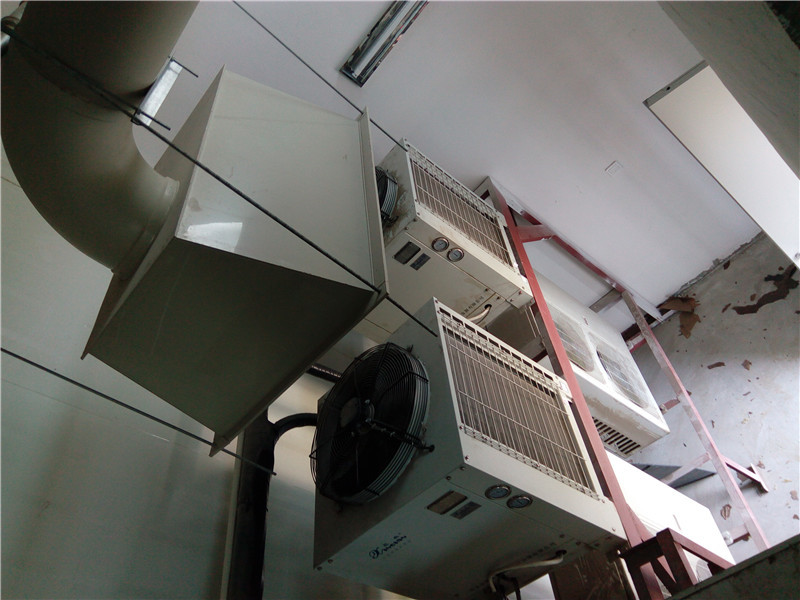
Equipped with Bitzer semi-hermetic piston compressors fitted with frequency converters to deliver stepless frequency modulation ranging from 30 Hz to 75 Hz, matching partial-load operating conditions. The condensing temperature is designed at 45 °C, enabling high-efficiency operation even under an ambient temperature of 32 °C.
Independent Evaporator Control
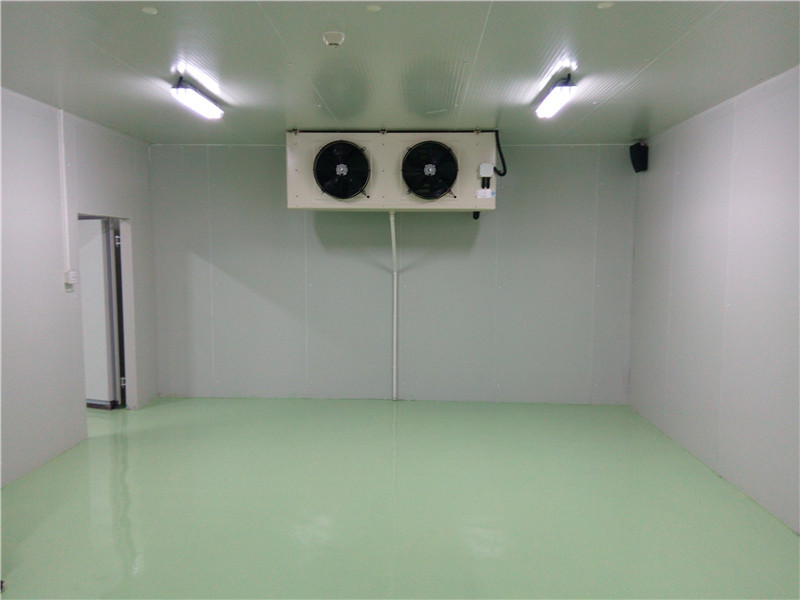
For the -20 °C cold room: Low-temperature air coolers with 8 mm fin spacing, designed evaporating temperature of -30 °C, and superheat setpoint of 6 K.
For the 4 °C cold room: High-humidity air coolers with a designed evaporating temperature of -2 °C and superheat setpoint of 8 K.
A Danfoss ETS electronic expansion valve is installed upstream of each evaporator. The PLC executes cascade PID regulation based on superheat readings and cold room temperature deviation to eliminate refrigerant flow competition between the two circuits.
Performance Verification
During commissioning, the heat load of the 4 °C cold room was artificially increased by 30%. The evaporating pressure fluctuation in the -20 °C cold room was less than 0.1 bar, with a maximum temperature deviation of merely 0.3 °C; no cross-interference occurred between the two temperature zones.
2. Air Distribution Optimization: Perforated Plenum Air Supply & Return Air Plenum Chambers
To meet the target temperature uniformity of ±1.5 °C inside the cold rooms, Xiangning adopted a perforated air supply plenum design widely used in pharmaceutical cleanrooms yet rarely applied in cold storage facilities.
Structural Design
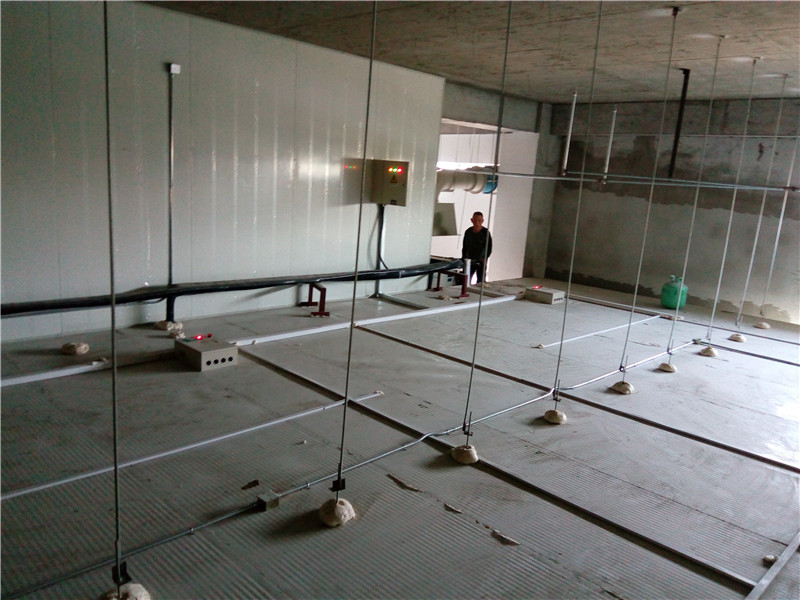
The air outlet of each air cooler connects to a galvanized steel air supply plenum. Its bottom plate is made of aluminum sheet with an open area ratio of 4.2%, featuring holes arranged in equilateral triangular patterns. Cold air descends uniformly at a velocity of 0.25 m/s, flows through rack storage areas, enters side-wall plenum chambers via bottom return air grilles, and circulates back to the evaporators.
CFD Simulation & Field Measurement
Computational Fluid Dynamics (CFD) airflow simulation predicted a maximum temperature difference of 1.5 °C across 12 measuring points. Under full-load acceptance testing after project completion, the temperature differential at all measuring points was controlled within 1.1 °C for the 4 °C cold room and 1.4 °C for the -20 °C cold room, with zero product moisture loss or frost formation on goods.
3. Dual Buffer Airlocks & Active Humidity Interception System
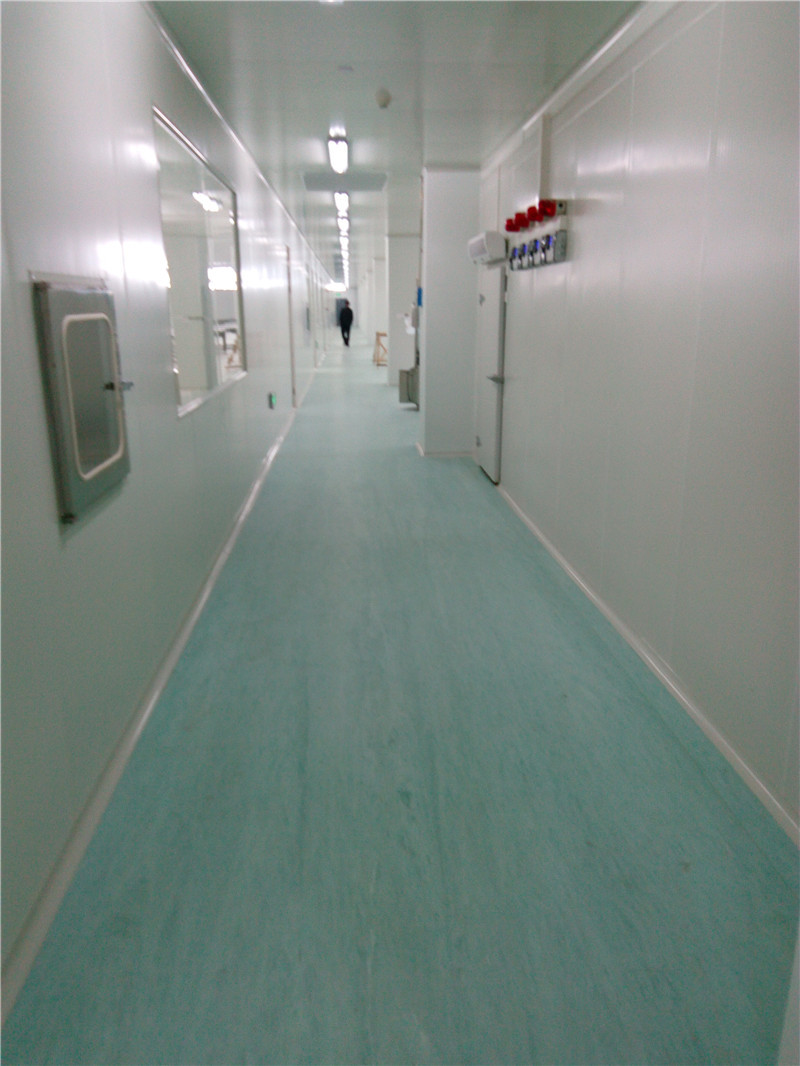
The dual interlocking buffer chambers developed by Xiangning represent a core technical highlight of this project, enabling gradual transitional temperature and humidity gradients.
| Buffer Chamber Tier | Design Temperature & Humidity | Core Equipment Configuration | Control Logic |
|---|---|---|---|
| Primary Buffer Chamber | 12~16 °C, Relative Humidity (RH) 45%~55% | Ceiling-mounted refrigerated dehumidifier (nominal dehumidification capacity: 15 kg/h), independent control loop | Upon opening of the external door, the dehumidifier operates at high speed to restore set humidity within 10 minutes; interlocked with the secondary buffer chamber to prevent simultaneous door opening on both sides |
| Secondary Buffer Chamber | 4~6 °C (adjacent to the 4 °C cold room) / -10~-15 °C (adjacent to the -20 °C cold room) | One compact air cooler per side, fed by branch liquid supply lines from the main refrigeration system | Maintains a positive pressure differential of ≥5 Pa relative to the main cold room; variable-frequency makeup air fans sustain outward airflow leakage; the main cold room door remains locked if temperature fails to meet set standards |
Operational Sequence
Materials enter the primary buffer chamber from outdoors for dehumidification, then move to the secondary buffer chamber for pre-cooling before being transferred into the main cold storage area. Field testing recorded a dew point fluctuation of only 0.6 °C inside the main cold room for a complete material inbound/outbound cycle. Compared with a scheme without buffer chambers, evaporator frosting rate is reduced by 65%, and defrost intervals are extended from 4 hours to 12 hours.
4. Defrost Strategy & Emergency Safeguard Systems
-20 °C Cold Room Defrost Logic
Electric heating defrost is implemented with a composite trigger criterion integrating time, temperature and pressure differential. Defrost cycles are not scheduled at fixed intervals; instead, defrost initiates when the pressure differential across evaporator fins doubles the initial baseline and cooling capacity drops by 15%. Defrost heaters are activated in staged power levels, and air fans shut down during defrost cycles to deliver a gentle room temperature rise curve. Full-load testing showed the peak room temperature reached only -18.2 °C, far superior to the client’s upper limit allowance of -15 °C.
Power Failure Protection
Phase sequence protection devices and automatic transfer switches are fitted. An emergency generator auto-starts within 15 seconds upon mains power loss. All cold room doors are equipped with mechanical internal emergency release handles.
5. GSP Compliance & Environmental Monitoring System
The validation protocol submitted by Xiangning fully complies with WHO TRS961 Annex 9 supplementary provisions and Appendix 5 "Validation Management" of China’s Good Supply Practice (GSP) for pharmaceutical products.
Validation Sensor Layout
Each cold room is fitted with 16 metrologically calibrated temperature sensors, deployed at high-risk locations representing worst-case operating conditions: maximum/minimum temperature zones under no-load conditions, doorways, and air return openings. Full-load validation uses heat capacity-matched simulation loads: 33% ethylene glycol aqueous solution packaged in glass bottles for the -20 °C cold room, and pure water for the 4 °C cold room, to accurately replicate the thermal mass of pharmaceutical reagents.
Continuous Monitoring System
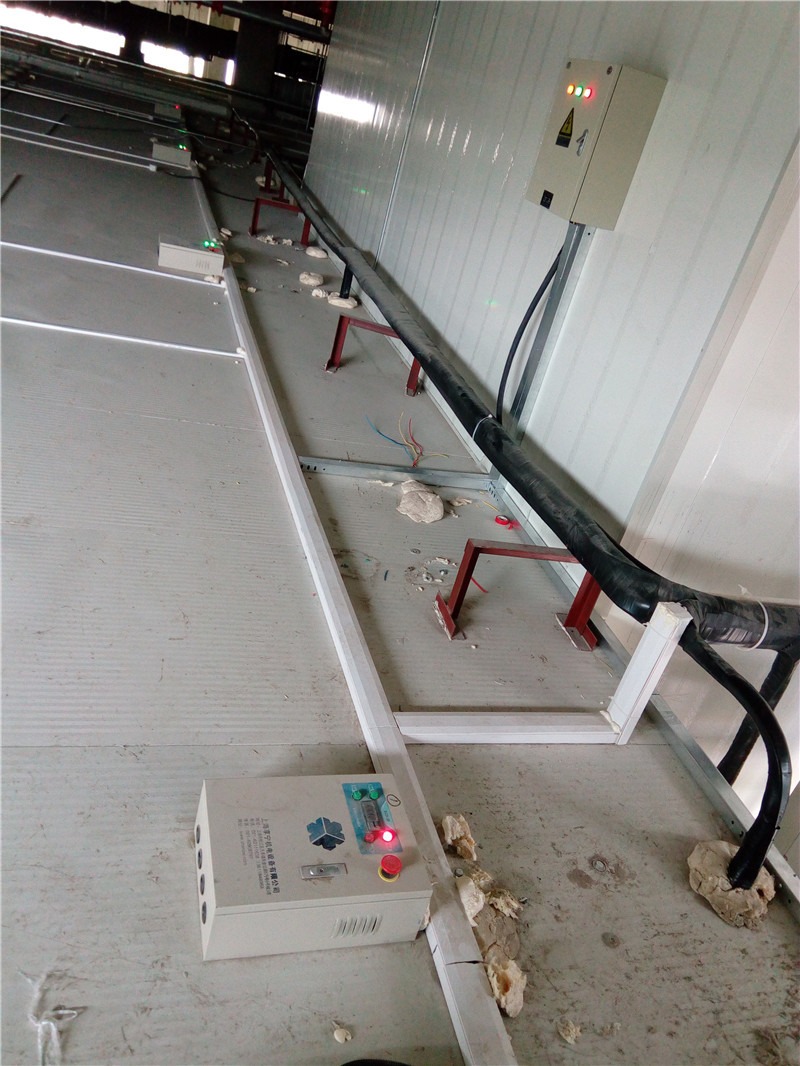
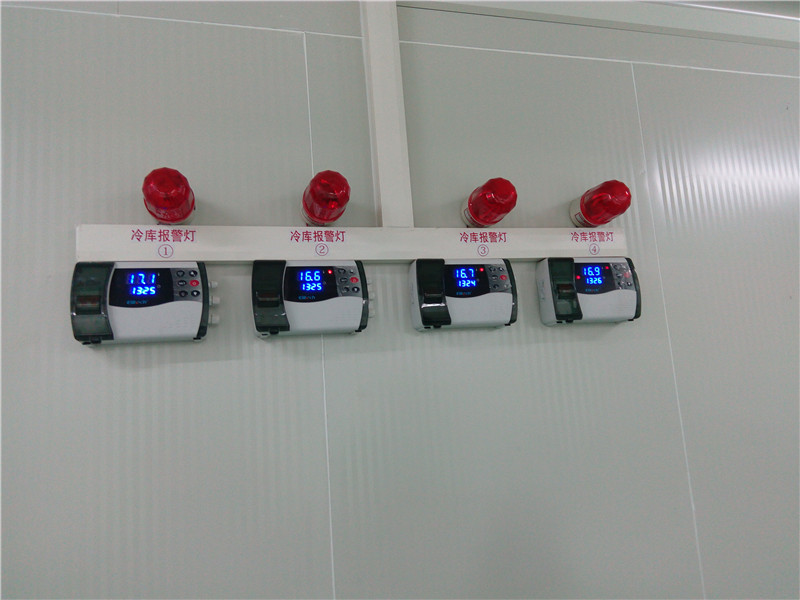
Dual redundant PT100 temperature probes (accuracy ±0.1 °C) and standalone humidity sensors are installed in every cold room. A three-tier alarm framework is deployed:
Threshold pre-alarm (SMS notification)
Exceedance critical alarm (phone call + audible & visual light alarm)
Emergency shutdown alarm (automatic startup of standby refrigeration units)
Data is logged every minute, stored locally and synchronously uploaded to cloud servers. The system supports complete audit trails with tamper-proof immutable data records.
| Benefit Indicator | Industry Conventional Design Standard | Actual Measured Performance of Xiangning Project | Efficiency & Benefit Improvement |
|---|---|---|---|
| Temperature uniformity of 4°C cold room | Conventional ±3°C | ±1.1°C | Uniformity improved by 63%; reagents can be stored at any position in the room |
| Temperature rise during defrost for -20°C cold room | Normally rises above -10°C | Peak temperature of -18.2°C only | Prevents micro freeze-thaw cycles and guarantees stable enzyme activity |
| Cold room temperature fluctuation upon door opening | 4°C room may rise to 8°C without buffer chambers | Main storage room ≤5.2°C | Complies with the 2–8°C storage specification with no over-temperature risks |
| Evaporator defrost interval | Around 4 hours under equivalent high-humidity conditions | 12 hours | Defrost frequency reduced by 67%; annual power saving of approximately 12,000 kWh |
| Coefficient of Performance (COP) of refrigeration system | Annual average COP ≈2.5 for piston compressor units | Comprehensive annual COP of 3.1 for dual-temperature system (enabled by variable frequency drive and optimized defrost strategy) | Annual electricity cost for operation cut by roughly 28% |
| GSP validation compliance | Multiple rectification works usually required | Passed validation at first submission with zero non-conformities | Cold warehouse put into service 20 days in advance; approximately RMB 80,000 outsourcing cold storage fees avoided |
| System availability | ≥99% | 99.9% (zero unplanned shutdowns over 8 months of operation) | Uninterrupted R&D and production operations guaranteed |
Indirect Benefits
The operational efficiency of warehouse staff for material inbound and outbound handling is lifted by 40%, as waiting time for single buffer chamber recovery is eliminated.
The client’s QA department can directly integrate cold storage temperature control data into the LIMS (Laboratory Information Management System) to realize automated electronic batch records.
No matter your industry, no matter how complex your refrigeration needs, XNAIR Cold Storage can provide you with customized, energy-efficient solutions. Contact us now to start your successful project!
Contact XNAIR Cold Storage Now →Hedong Canteen Cold Storage Project at East China Normal University: Customized catering cold storage solution with German Bitzer system, -18℃ and 2-8℃ dual-temperature zones, energy-efficient design...
View Details →Shanghai XNAIR builds climate-resilient seed cold storage for Wuwangnong Seed in Lishui, maintaining 0-10℃ stability at 43℃ ambient with 48hr backup power, ensuring genetic resource security....
View Details →XiangNing Cold Storage provided EPC solutions for Hetian Eheng's agricultural cold chain logistics center in Pishan County, including thermal insulation materials, installation, and intelligent contro...
View Details →Shanghai XNAIR delivers 5-10℃ adjustable cold storage for Xihekang's semiconductor silicone raw materials in Xuhui, using Embraco compressors and modular design to ensure material stability for el...
View Details →Shanghai Haohai Biotech's 2024 pharmaceutical cold storage project, featuring German Bitzer refrigeration & Schneider control systems, meets GMP/ISO standards for high-precision medical storage....
View Details →Shanghai XNAIR delivers fire-resistant 0-5℃ tobacco leaf cold storage for Jiangxi Tobacco Research, using German GEA refrigeration and B1-grade insulation to meet agricultural research & food safe...
View Details →Phone
+86 180 1742 6215Tel
Shanghai XiangNing Electromechanical Equipment Co., LTD XML