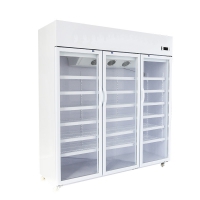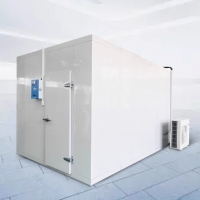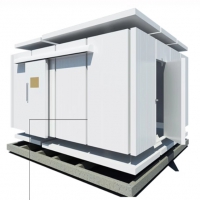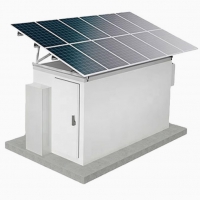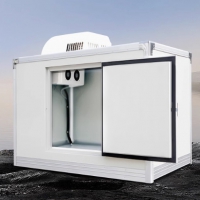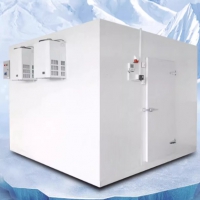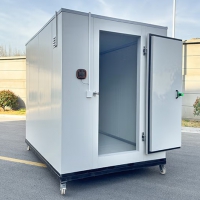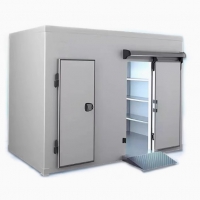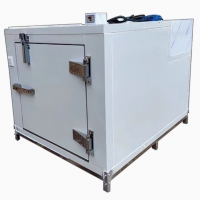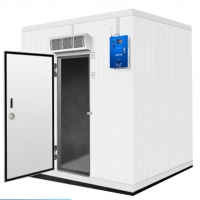
Start by assessing why you need a cold room. A restaurant’s quick-access storage for perishables demands different specs than a pharmaceutical lab’s humidity-controlled space. Sketch dimensions based on inventory volume—leave 20% extra room for future stock. Use 3D modeling software to visualize airflow patterns; cold spots near doors can spoil 15% faster.
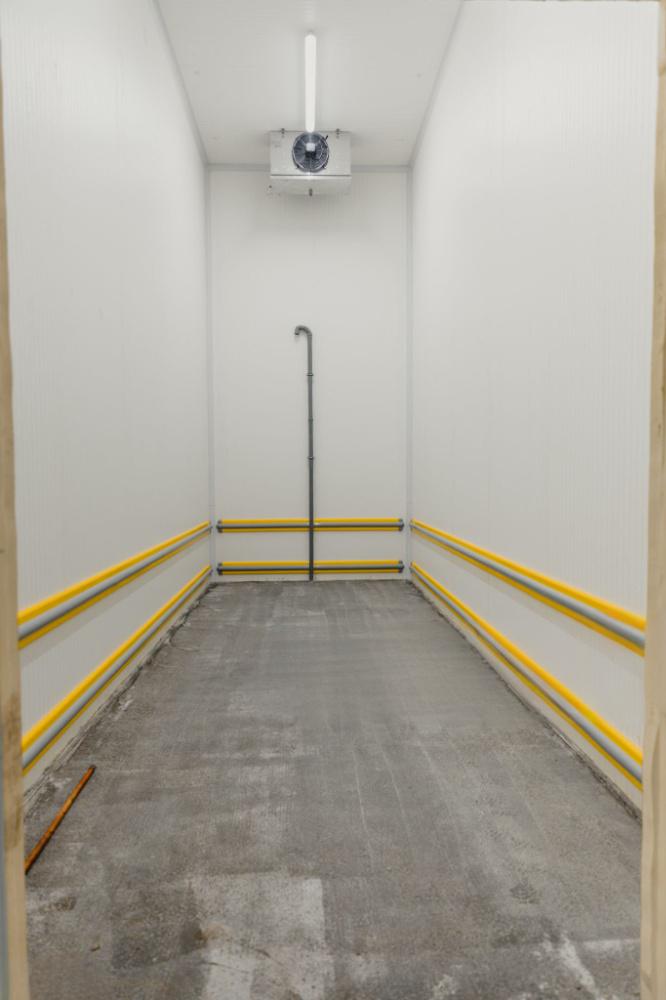
Insulated panels are the backbone. For temps below -20°C, opt for 100mm polyurethane cores. Cheaper options warp at -5°C, causing gaps. Check local fire codes: some regions mandate flame-retardant coatings. Pro tip: pre-cut panels reduce on-site waste by 30% but require precise measurement.
Concrete floors? Add epoxy coatings to resist condensation. Raised steel grates work better for heavy machinery access. Avoid wood—it rots at 80% humidity. Test floors under load: a fully stocked cold room exerts 1.2kPa pressure.
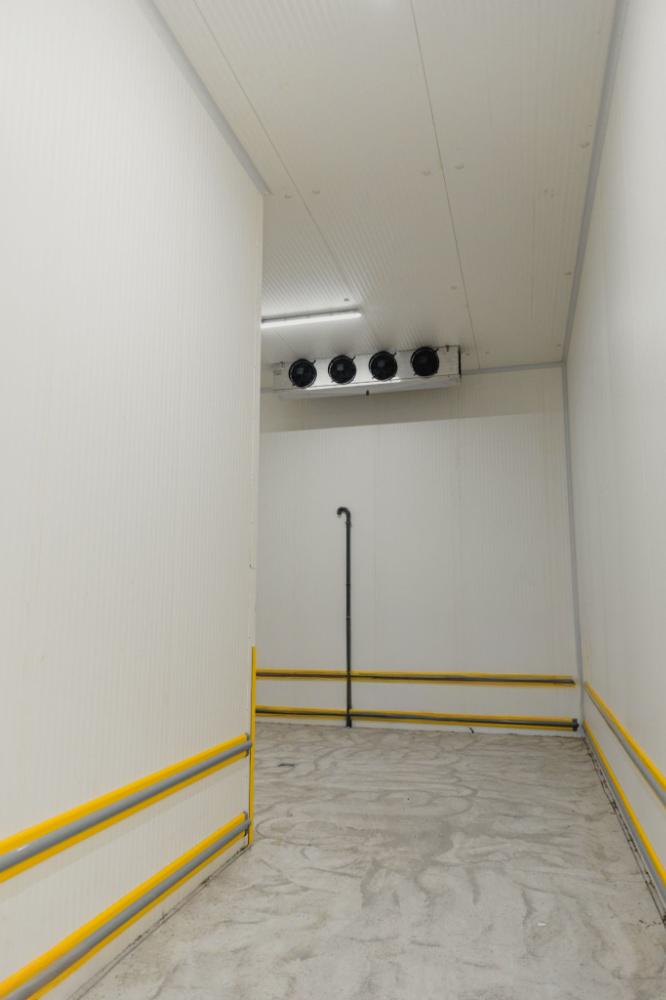
Split systems vs. monoblocks:
Split systems: Ideal for rooms >50m³. Separate condenser/evaporator units reduce noise by 40dB.
Monoblocks: Cheaper for small spaces but vibrate 3x more.
Check defrost cycles: timed defrost wastes 18% energy vs. demand-based sensors.
Sliding doors save space but leak 25% more air than hinged models. Install air curtains if foot traffic exceeds 10 people/hour. For freezers, use heated frames to prevent ice buildup. Double-check thresholds—a 5mm gap lets in 1.5kW of unwanted heat.
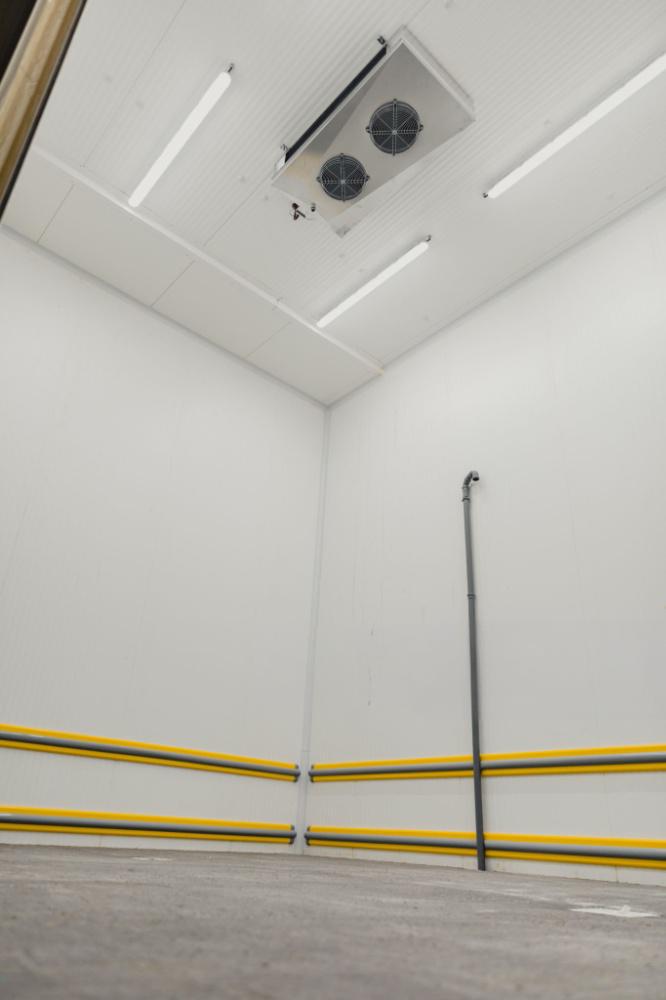
Dedicate a 220V circuit for compressors.
Install emergency shut-offs 1.8m from doors.
Use explosion-proof fixtures near ammonia systems.
Run empty for 48 hours at -2°C. Use thermal cameras to spot leaks—red zones near joints mean resealing. Check temp swings: ±1°C is acceptable, ±3°C means calibration failure.
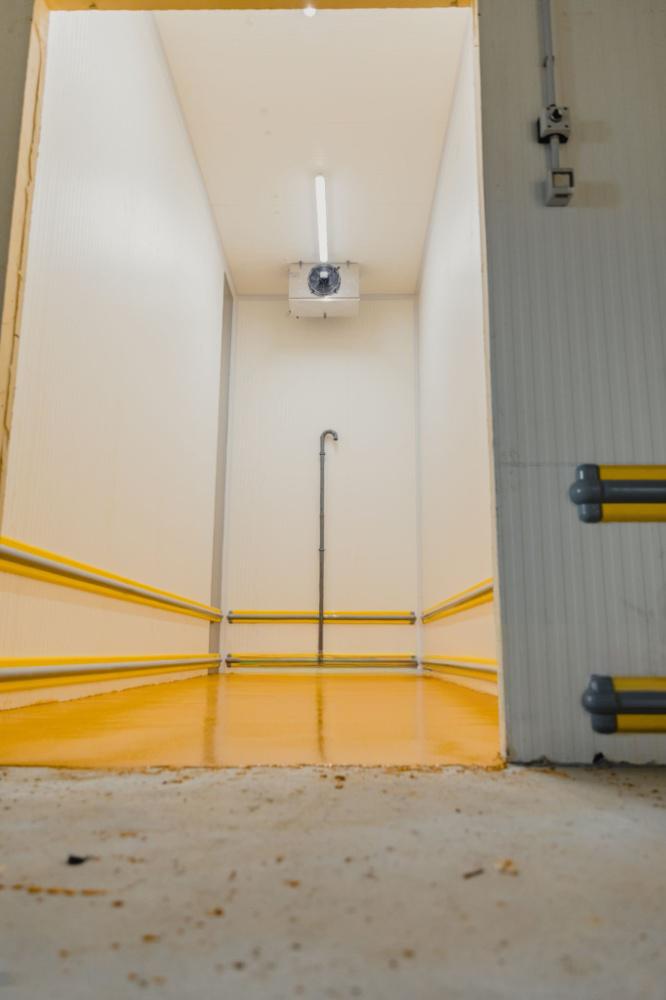
Florists: Add ethylene filters to prolong flower life.
Meat Processors: Install UV lights to kill surface bacteria.
Bakeries: Use dehumidifiers to keep dough consistency.
Final Tip: Document every adjustment. A logbook cuts troubleshooting time by 60% when issues arise. This guide turns cold room setups from guesswork into precision engineering—because when temperatures matter, half-measures melt away.
Previous article:The Latest in Energy-Efficient Refrigeration Systems for Cold Rooms
The next one:No more.
The Latest in Energy-Efficient Refrigeration Systems for Cold Rooms
Cold Room Installation Guide: From Design to Completion
Phone
+86 180 1742 6215Tel
Shanghai XiangNing Electromechanical Equipment Co., LTD XML