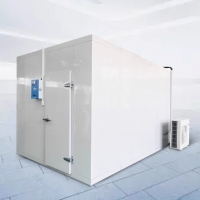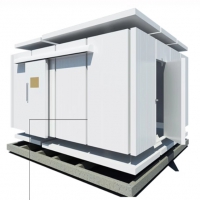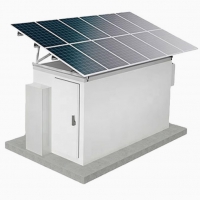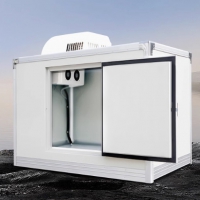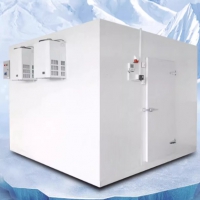
The cold storage industry is undergoing a quiet revolution. When strawberries on supermarket shelves stay fresh for 7 days with vitamin C loss under 5%, and when cold room energy consumption drops by 40%, the driving force behind this transformation is next-gen energy-saving refrigeration technology. Let’s dive into the cutting-edge systems reshaping cold chain ecosystems in 2025.
Traditional fixed-speed compressors operate like light switches—full blast or off. This leads to massive energy waste. Enter Yinhuate’s DC variable frequency compressors, which use vector control technology to adjust speeds between 1,800–5,400 RPM seamlessly. By matching cooling demand in real time, they slash energy use by 30–50% while maintaining ±0.5°C temperature accuracy. Early adopters like Walmart report 18% lower operational costs in their California cold storage facilities.
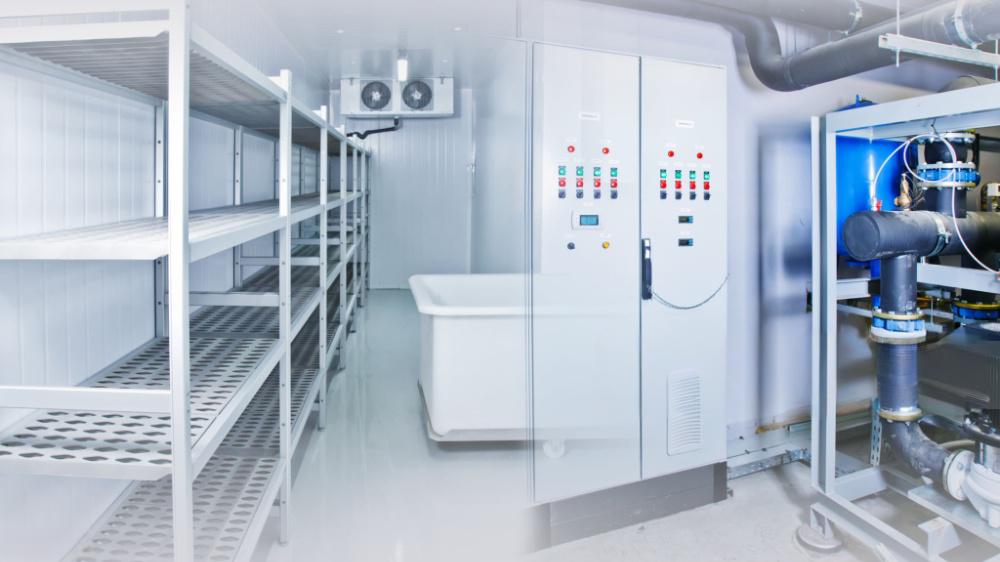
Imagine a material that absorbs excess heat during peak hours and releases it overnight when electricity is cheaper. SunPower’s BioPCM® does exactly that. These wax-based composites freeze at 4°C and melt at 12°C, acting as thermal buffers. When integrated with refrigeration systems, they reduce compressor runtime by 25% during daylight hours. A pilot project in Germany’s Berliner Kühlanlagen cut daily energy demand by 1.2 MWh—equivalent to powering 140 homes for a day.
Sensors aren’t new, but Carrier’s Lynx Digital Platform takes them to the next level. Machine learning algorithms analyze 12,000+ data points per second from vibration, pressure, and temperature sensors. The system predicts failures 72 hours in advance with 94% accuracy. For a Midwest U.S. meat processing plant, this meant avoiding $220,000 in potential spoilage costs from a single failed evaporator fan.
Traditional polyurethane foam loses effectiveness at sub-zero temps. Aspen Aerogels’ Spaceloft® changes the game with 97% porosity and thermal conductivity lower than still air (0.012 W/m·K). When applied to cold room walls, it reduces heat infiltration by 40%, allowing setpoint temperatures to rise 2°C without compromising product safety. A Singapore seafood distributor achieved 28% energy savings after retrofitting their -25°C freezer rooms.
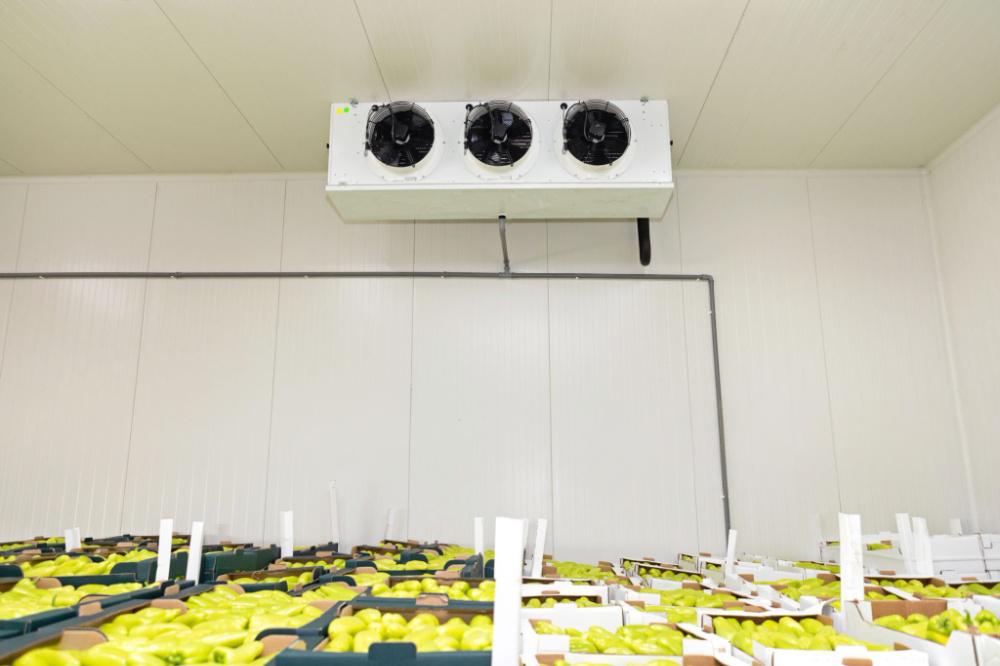
Ammonia and HFCs face regulatory pressure globally. GEA’s CO₂ transcritical booster systems offer a sustainable alternative. These systems use CO₂’s unique thermodynamic properties to achieve 15% higher efficiency than traditional R404A setups in warm climates. When paired with heat recovery units, they generate 60°C hot water for facility cleaning—turning waste into resource. A Dutch dairy cooperative now covers 85% of its hot water needs through this system.
While 30–50% energy reductions grab headlines, the total cost of ownership tells a fuller story. Danfoss’ Turbocor® oil-free compressors eliminate lubrication systems, cutting maintenance costs by 60%. Meanwhile, Emerson’s EXCEL® electronic expansion valves improve system efficiency by 12% through precision refrigerant control. For a 5,000m² cold storage facility in Brazil, these technologies combined to deliver a 2.7-year payback period.
Conclusion: The Future is Adaptive
Energy efficiency in cold rooms isn’t about single innovations—it’s the
synergy of smart compressors, advanced materials, and AI-driven
analytics. As global regulations tighten and electricity prices rise,
the businesses adopting these systems today will dominate tomorrow’s
cold chain landscape. The question isn’t whether to upgrade, but which
integrated solution fits your operational DNA.
Previous article:No more.
The next one:Cold Room Installation Guide: From Design to Completion
The Latest in Energy-Efficient Refrigeration Systems for Cold Rooms
Cold Room Installation Guide: From Design to Completion
Phone
+86 180 1742 6215Tel
Shanghai XiangNing Electromechanical Equipment Co., LTD XML